
Over the last week or so there has been much online and mainstream chat about cherry tomatoes taking over Bin’s Bridge in Drumcondra, Dublin. This appears to have started on TikTok when somebody noticed some cherry tomatoes that had been left on the wall. And for unknown reasons, it took off from there.
From the relative niche-ness of TikTok, its popularity soon saw this story picked up by mainstream media:
Just a simply bizarre and glorious story about humans and our weird and wondrous ways.
Of course, this was shared and shared and even became claimed as a tourist attraction likely owing to the international reach of social media within relevant demographics.
While this is all quite silly, and doesn’t really matter in the grand scheme of things, this, to me anyway, is exactly what social media is supposed to do. It can bring us together, promote connection, linking us together through inconsequential but ultimately meaningful commonalities. Things that matter, but don’t really matter at all.
TV in the noughties
Way back in the late 90s, trainer-social-media was really taking off in the form of listservs and Yahoo groups. Spurred on by moves to advance our field, and via contributions from the recently departed Karen Pryor, teaching animals was being approached from a much more scientific manner. And as we moved into the noughties, these groups of trainers were further united in our objections to the meteoric rise of TV training styles, spear headed by Cesar Millan.
Millan’s dog whispering didn’t bring any thing new, we had seen it all before, but it was his TV stardom and massive reach that really was set to push our advances back by decades.
Rising social media communities diverged because this is actually what social media is really good at: polarisation.

Trainer-Wars
While humans have always been tribal and willing to identify differences between groups, and then fight about it, trainer-social-media has certainly amplified our differences, bringing us further and further from understanding and growth.

Fast forward to today, 2025, and social media has continued to expand, and so too has trainer-social-media.
Use it wisely
The reach of social media across our industry has become so extensive that it appears to be a primary tool of communication, of connection, and most concerningly, of dissemination, in our young industry.
By its very nature, sharing is what social media is about but to be used wisely, safely and effectively, there needs to be a heavy dose of critical thinking applied to…everything.
With all this information available and everywhere, I’m expecting to see more knowledgeable and skilled professionals, and more knowledgeable guardians. I am seeing neither.

What I do see are many, particularly, newer trainers (those who have come of age within this social media world) latching onto online gurus, perpetuating the newest and shiniest idea, and the rehashing of established terms and concepts in many inaccurate ways.
Back in those early trainer-social-media days, we talked about TV not being a great medium for our type of dog training. There would be so much too-boring-for-TV left on the cutting room floor, that we couldn’t really show the extent of our work in 45 minutes framed around adverts.
Today, consuming content is an even more concise affair. Fast cuts, reels and shorts, still lend themselves to teaching that relies heavily on suppression, a quick fix.

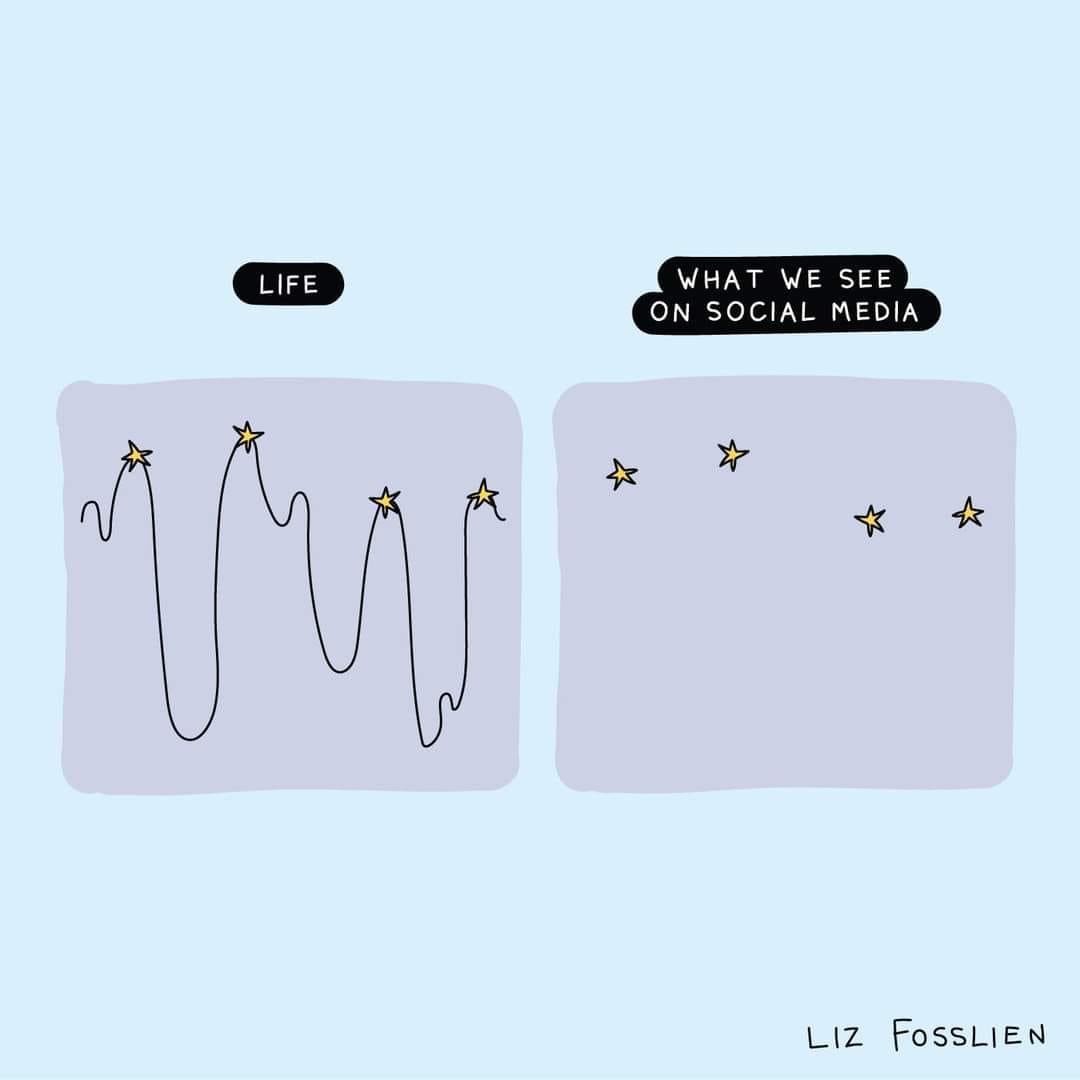
Social media deals in absolutes, always’ & nevers, and that’s what builds polarisation so beautifully. But this has led to a loss of a lot of the nuance of behaviour…and behaviour is all about nuance.
When we get sucked into social media as a source of information and education, we think we are making choices, that we are calling the shots. But we are not. As we scroll and tap, we put more money into the pockets of billionaires, and facilitate selling of agendas, the latest and greatest, and of course, every new and shiny idea and product.
For all sorts of reasons, and a global pandemic being a big one, short form education has become the norm and go-to. I am not impressed by lists of all the webinars and one or two day events trainers have attended – this so often correlates with a professional jumping on every Instagram band-wagon, tagging and being tagged in the ever looping echo chambers, and lacking the nuance in application of solid and evidence backed concepts that are seemingly inaccurately understood.
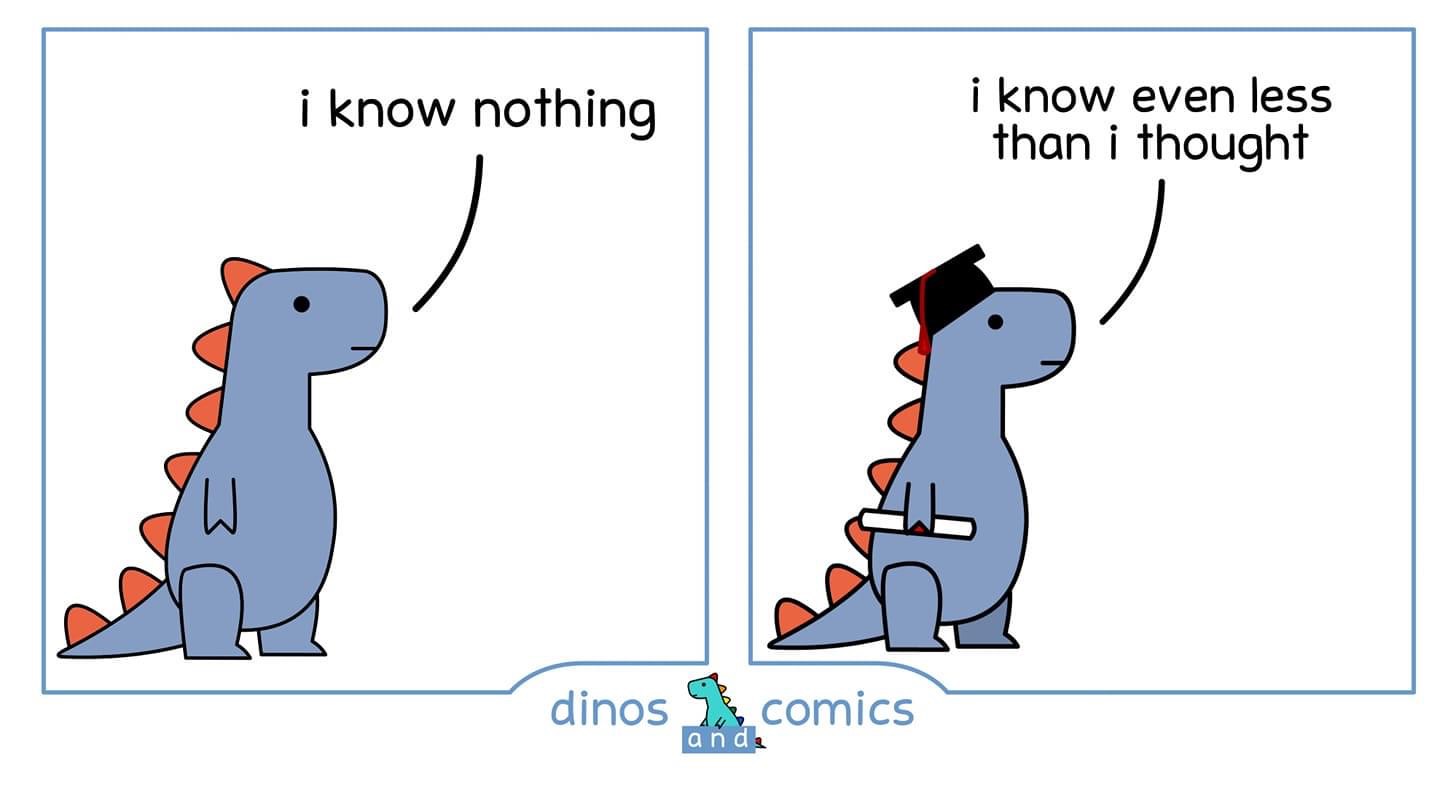
We need joined up thinking, we need nuance, and we need to understand what evidence-based actually means, and how to apply it.
Step away
At AniEd, we are trying to set pretty clear boundaries regarding our use of social media and our manipulation of those trends, particularly those targeting newbie trainers.
The tools that so-called influencers use to sell are regularly adopted by social media trainers, desperate to promote their wares. AniEd won’t be producing all those egocentric and disingenuous “talking head” clips, we won’t be tagging all our supporters ad nauseum, we won’t be adding to the echo chamber confirming our own biases.

It is possible to be a successful and effective dog trainer without social media; I have many colleagues doing just that.
And it’s also possible to use social media carefully and judiciously, while also succeeding and remaining healthy, while building an industry that requires so much ethical input.

Go outside. Read a book.
I’m not suggesting that trainers abandon social media. It’s an important marketing tool and particularly useful for building community.
But I think it’s important that we recognise its flaws and failings, and avoid getting sucked in, which is of course, how it’s designed to do.
There is an entire world of biology, behaviour sciences and canine sciences that have not been bastardised by trainer-social-media.

For our learners, I strongly encourage getting away from social media, reading original research and not just the stuff that accrues the most shares or confirms our strong trainer biases. Read books from way back before trainer-social-media took hold.
I encourage developing critical thinking skills and understanding what evidence-based really means…because I don’t see a lot of that throughout trainer-social-media.
Have social media as your background, it’s not the real world. We can advance our industry by making real connections, by critiquing sensibly, by building training communities based in evidence and ethics, and actual welfare. By being free of algorithms, scrolling, notifications, echo-chambers and so much talking to camera.
Go outside, breathe the air, stand up straight, and train all the dogs, not for likes and follows but for the joy intrinsically found in connecting with dogs and learning as much from them.
 AniEd Ireland
🥹 Absolutely brilliant. As always. I am standing, clapping as hard as I can for you and this writing. Thank you for this ❤️
LikeLiked by 1 person
Thank you so much x
LikeLike
This is SO true. My local trainer has hard-earned, meaningful certifications in fear-free, positive-reinforcement training and her insight is so much more valuable than the quick-fix garbage that populates much of social media. Her hands-on help along with your newsletters and posts about behaviors, enrichment, etc, have given us so much insight into the “why” of our dogs’ behaviors, and we’ve made a lot of progress with our reactive rescue dog as a result.
I started on the “behavioral understanding” “non-coercive” animal interaction path when I worked with horses, after reading Monty Roberts “The Man Who Listens to Horses,” and it shaped my approach to everything. It’s wonderful to have access to people (including you and my local trainer) who follow positive-reinforcement, understanding-based principles.
Thanks for everything you do and all the wisdom you share!
LikeLike
Thank you!
LikeLike
Thank you. This confirms a lot of what I think 😁
I am often perplexed by people who refer to concepts, but appear not to have a grasp of their meanings.
The search for and chase after seems to drive us humans in many contexts and this has amplified and diversified with social media.
Your last quote is a wonderful reminder…
LikeLiked by 1 person
Thank you!
LikeLike
So beautifully said! While I am former special education teacher and nationally registered behavior technician for children, not dogs, I feel your pain. I started learning my craft thirty years ago. It was based on research that was replaced later by better research. We didn’t learn this new research from social media. We went to week-long training seminars put on by bonified experts and, gasp, the people responsible for the new research and for putting the new research into practice in a clinic setting and in homes for the first time. These people had experience practicing methods based on both research results. The new simply worked better and treated people more like people. That is always how I learned new and improved techniques. I have seen people now going backward to the old research and espousing it on the internet. It seems to get quicker results, but the results are almost always temporary. In my mind, pushing these old, disproven techniques on desperate parents is a crime. Also, anyone saying positive reinforcement flat out doesn’t work, that all it amounts to is bribing, simply doesn’t know what positive reinforcement is. I have recently seen this protest against positive reinforcement with many online “dog trainers,” as well. Usually their techniques make my skin crawl.
LikeLiked by 1 person
Thank you! I’m an RBT too, but don’t work with humans directly!
The lack of understanding of operant learning and its applications in dog training is astounding and terribly concerning. Indeed the lack of understanding of evidence based procedures in dog training is so concerning.
I totally get it!
LikeLike