
I will preface this by clearly stating that I love longlines, I use them regularly, but like all tools, care is required in their use and application.
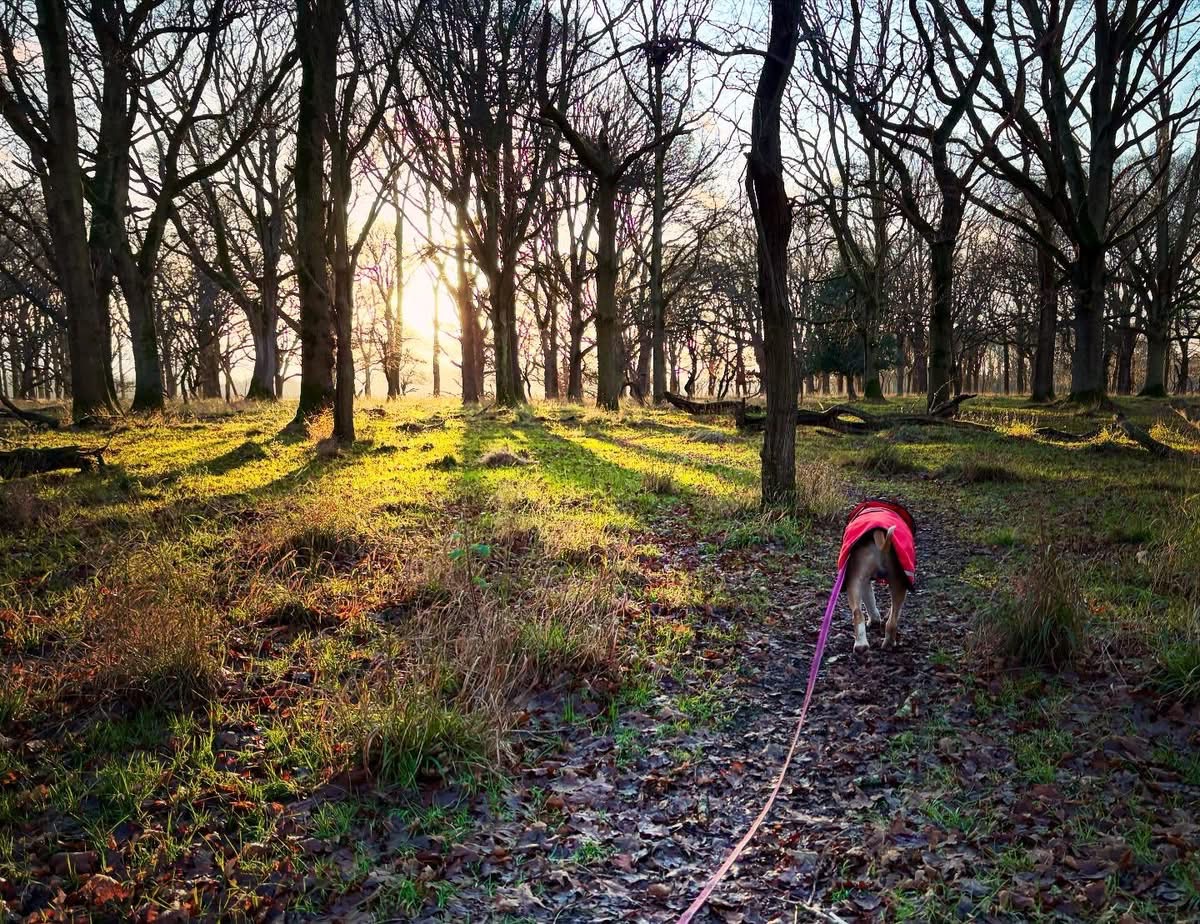
Longlines are, essentially, just very long leads usually made of similar materials and fashioned in similar ways. Whereas leads are generally 5 or 6 feet long, or shorter, longlines tend to be from about 5m and up.
I’ve handled longlines thousands of times, and, I’ve taught longline handling skills to hundreds of handlers because there are different and more challenging skills required, particularly the longer the line is.
And yet, when faced with more permanent longline use myself, I’m grappling…but probably not as much as my dog…
Grappling
For pretty much his entire life, Decker’s been off lead while out and about. We’ve work hard and he has always been exceptionally engaged and responsive; his is the best recall I’ve ever trained to any animal I’ve worked with.
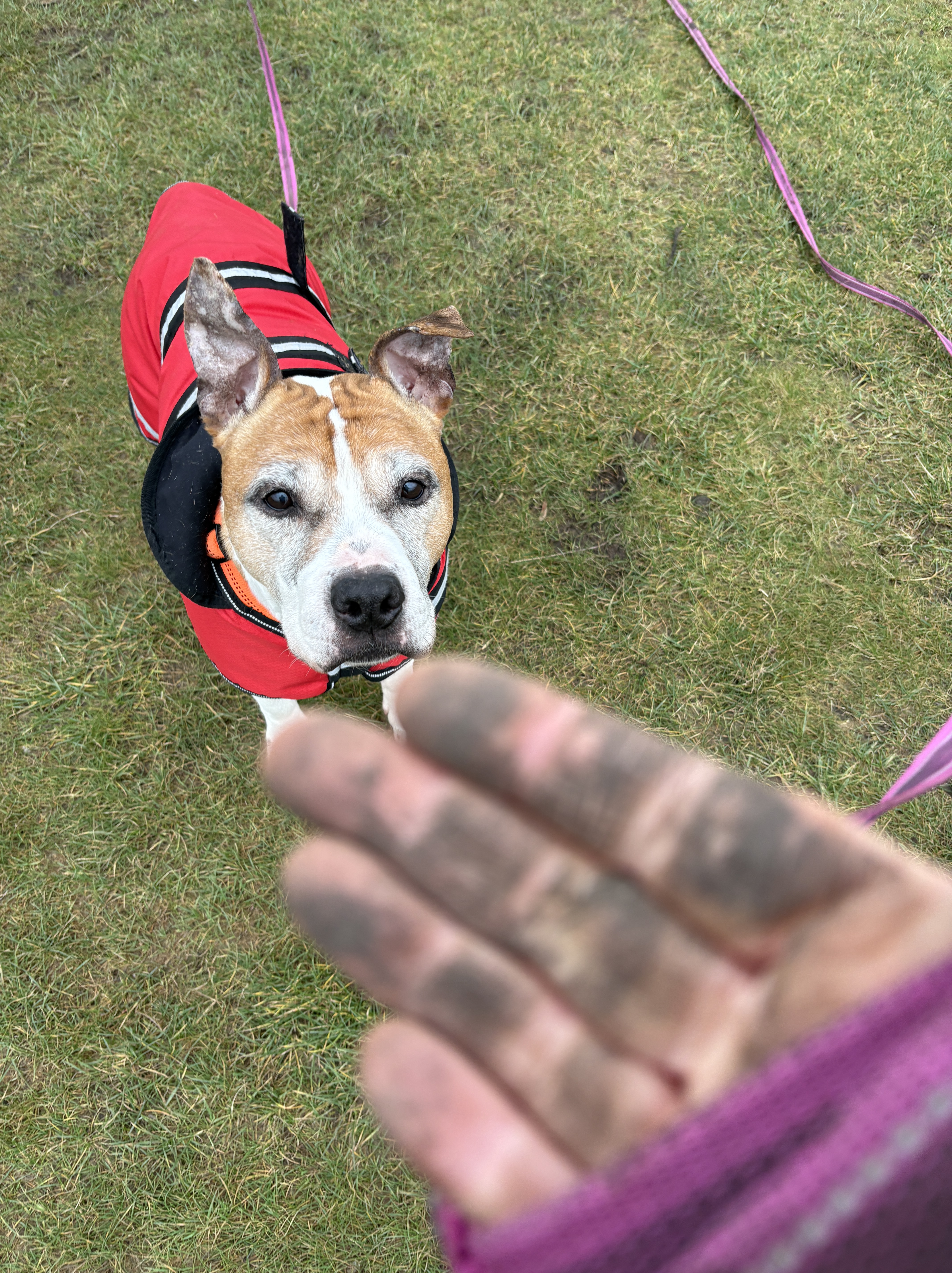
Decker is 13 years old and completely deaf, but continues to be pretty active and gung ho. That means in dynamic environments, where we are most days, being off lead just isn’t safe anymore. We’ve found that a 15m longline works best and he is rarely at the end of a line this long. I follow him about as best I can so restriction isn’t too impactful.
There are plenty of complexities to grapple with when using long lines, with active dogs in dynamic environments.
Feeding the line and keeping it up and coiled can help to manage the length, avoiding tangles and getting caught. But I feel it adds further constraints to the dog’s free movement.
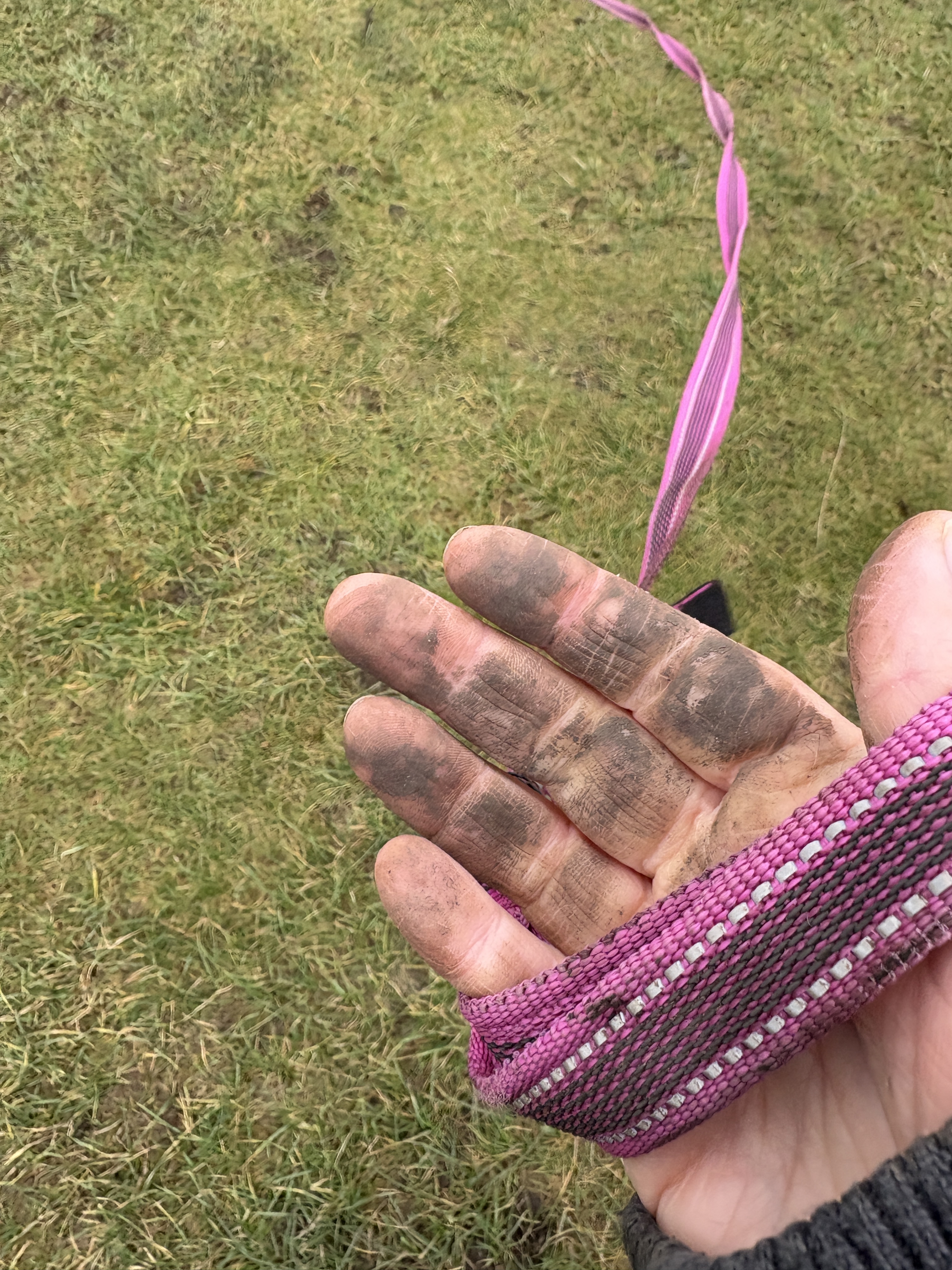
Not to mention my constantly muddy hands…
Clarity or lack thereof
The real challenge with longline use, however, is it functioning as part of communication.
What does pressure on the line cue?
What does it cue your dog to do?
What does it cue you to do?
Does pressure mean to stop or slow down?
Does pressure mean to change direction or re-engage?
When the line gets caught on something, he pulls to free it. Maybe pressure just means pull harder…
But more importantly, how would the dog know the difference?
The more line we have, the more options there are. And this becomes especially important when the line is really the only effective way to cue the deaf dog’s behaviour.
With a shorter line or lead (in the clip above, it’s 5m long), it’s easier to be clearer. As the line grows so can confusion.
Maintain a consistent length of line under different conditions, e.g. in more open areas versus busier areas. Tie knots along the line to cue your responses.
Practice directional cues and distributing pressure consistently to cue changes in direction or engagement.
Along with developing line-handling skills, we must also work to maintain clarity with line pressure and what that might be cueing for both ends.
Clarity in teaching is a welfare issue so be clear and consistent!
 AniEd Ireland