Our society is grappling with supporting an aging population and as with most things, this parallels some of our grapples with our aging dogs too.
I’m a firm believer, and promoter, that senior dogs should have more, not less. But how that more looks will depend on each individual dog’s condition and needs.
Carers of senior dogs need education, but also need empathy.
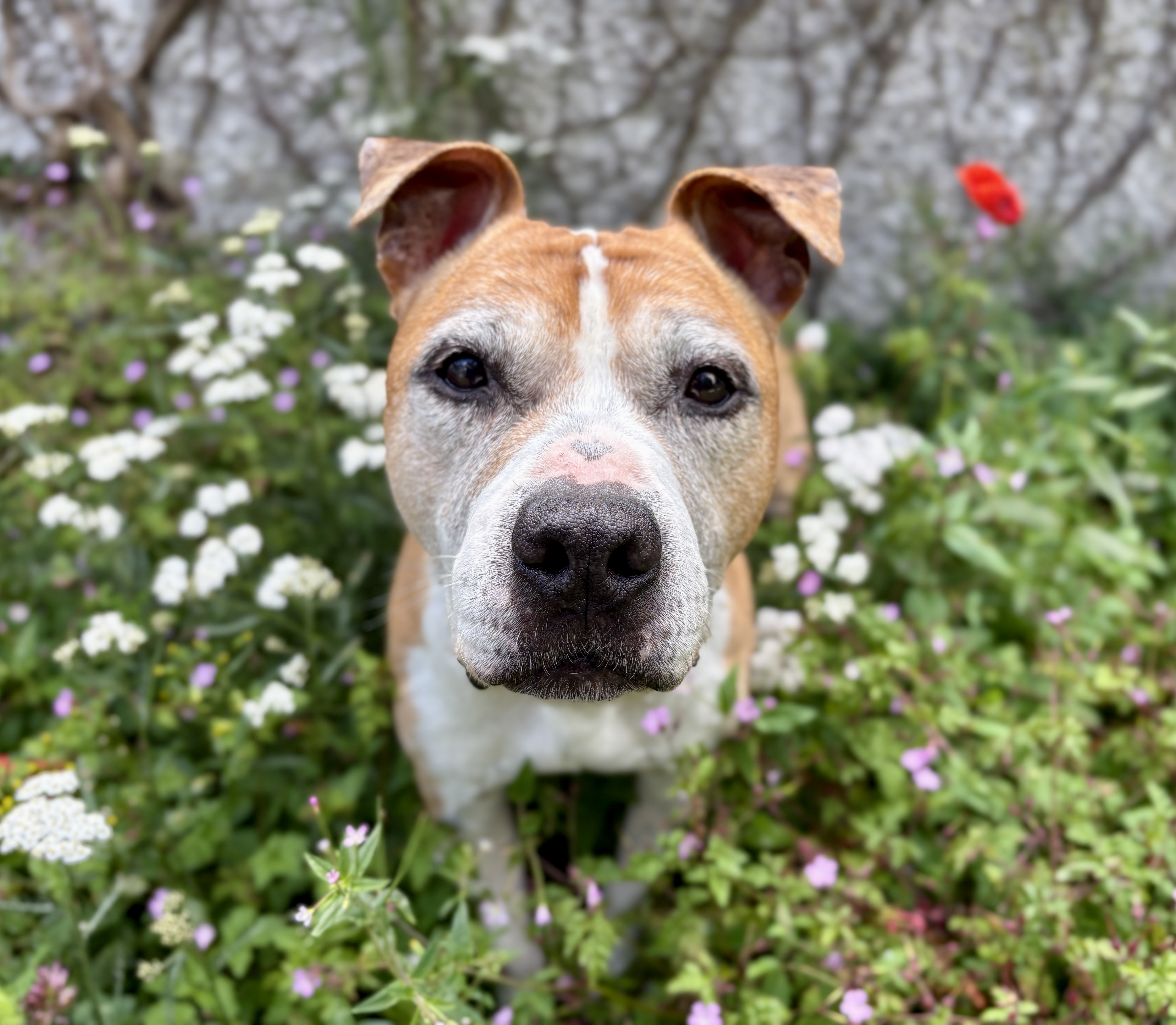
Aging sucks…
But the alternative is suckier.
We are encouraged to celebrate our golden oldies, to relish those sugar-dusted faces and to bask in a slower pace of life together. And I do.
But that doesn’t mean it’s a walk in the park, even a slowed-right-down walk for seniors.
The accommodations that are often required to maintain our seniors’ QoL can take a toll on care-givers. And for what? At the end, we are left with no dog…
Some of the realities of living with and loving an aging dog include…
Anticipatory Grief
While we are familiar with grief that affects us post-loss, anticipatory grief starts well before. We carers of senor pets are reminded of impending loss with every little slow-down, with every stumble and limp, with every vet visit and with every realisation that this is another new normal. (Cleary et al, 2021)
I’ve written about my process for coping with anticipatory grieving before: “Am I a Mourning Person?“
Anticipatory grief is very real and I’ve worked through it/I’m working through it. I set a timeline for myself; if I get him to 13 years (ancient for an AmStaff), after that, we’re just going to take each day. While it didn’t end there, it helped enormously along with other more general working through anxiety-stuff.
We’re at almost at thirteen and a half now and I know that each extra day is a bonus, that the time allotted us is out of my control, and the inevitable is still going to be devastating.

Caregiver Burnout
Looking after a loved one, full time or close-to full time, can be exhausting and lead to burnout. Caregiver burnout is well recognised in human health-care and the carers of older/chronically ill dogs (Spitznagel et al, 2019).
Along with worrying about those you care for, the actual acts of caring for them is all encompassing.
Decker is well but about once or twice a year, over the last four years, we’ve had some pretty serious medical emergencies generally related to his living life as large as possible. Last year, we had a close call with cancer after the incidental finding of a rectal growth. After an inconclusive biopsy and successful surgery, we got the all clear with a benign leiomyoma.
Since then, he’s had some faecal incontinence, not regularly and certainly not every month but it’s unpredictable and there doesn’t seem to be some consistent and treatable reason behind it.
Recently he had diarrhoea over night…and some incontinence following. Cleaning up animal-poop has been part of my life for a very long time but when it’s over-night, and I’m sleep deprived, and worried, and cleaning up diarrhoea…it can become too much fast.
But caregiver burnout happens over time because sometimes, caring for our seniors, it can seem like incidents that are worrying, effortful, disruptive, stressful and sometimes icky are happening one after another. One after another, one on top of another. All day, every day.
Caregiver burden doesn’t detract from the love we feel or even make us stop caring for our dogs. (Martens et al, 2016) But it affects carers’ quality of life and at the end, we have no dog. (Belshaw et al, 2020)
Finances
Keeping dogs is expensive, and expense increases as they age. As they age, they may require more specialised care and pet insurance often covers less of veterinary fees for pets over a certain age, e.g., 8 years old.
Decker has monthly veterinary treatments and supplements specifically relating to his aging and that costs about €300 a month. On top of all the regular care dogs need. This extra senior-care is maintaining his comfort meaning he can continue with an active life comfortably, safely and happily. That’s priceless.
But it’s another thing. On top of all the other things.
Not everyone can do that. And not everyone can keep up with the social-media-peer-pressure. That’s ok. Their situation doesn’t mean they love their dog any less.
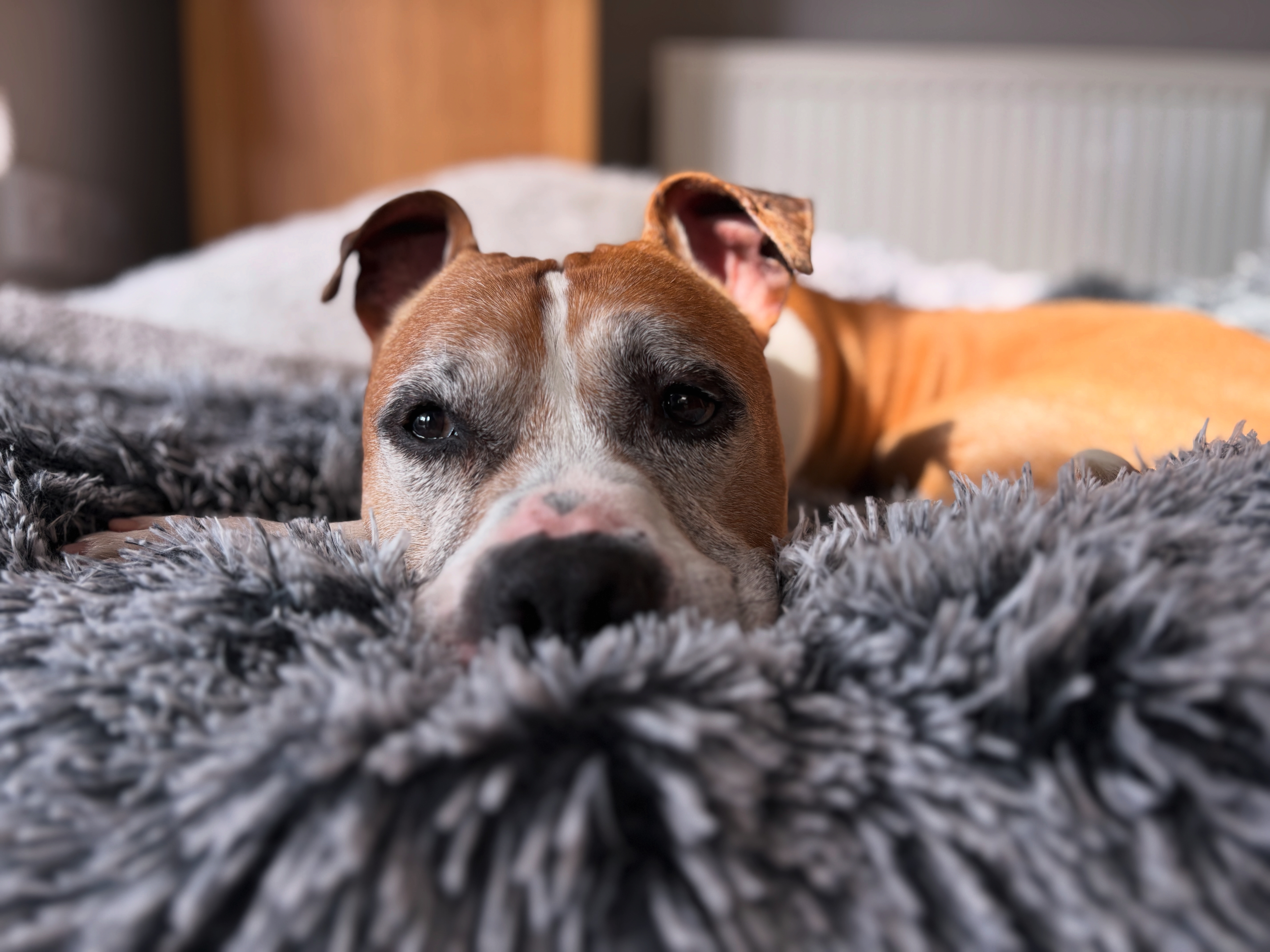
Adjustments
Our dogs are intwined with our lives. And for me, dogs are my life; they’re my work and my hobbies/spare time. All dogs all the time.
At each lifestage and developmental change throughout their life, adjustments to accommodate their needs are required. (Belshaw et al, 2020) That’s a normal expectation when bringing a dog into our home and family.
Part of our anticipatory grief can be grieving for the life we won’t have after our dog is gone. But long before that happens, age-related changes can chip away at those experiences you’ve shared for so long, requiring updates and adjustments according to our new normal together.
Aging leads to deterioration over time so changes are ongoing. If you’re not clear already, Decker’s old. But this year, his aging appears to have accelerated, and the rate of slow-down has increased. By a lot. All of sudden, he appears much older and this is happening faster. That means life is changing again, and changes are on going.
If dogs, as the HAI literature tells us, benefit their humans through facilitating social interactions, getting out into Nature and increasing exercise, aging might impact these outlets for many people.
As humans and dogs age, our worlds get smaller. When I say senior dogs need more, not less, I’m emphasising an awareness of this shrinking life so often thrust upon seniors. We can continue to widen their world, according to their comfort, but with adjustments that accommodate for their changing needs.
Carers’ worlds may shrink too. We might not get to go to the places we once did with them or maybe we have to stay home with our dog more. More adjustments shrinking our world, affecting quality of life.
Emapthise
I was recently interviewed for Senior Paws, about nutrition for seniors (here) and for sure I want to empower caregivers with educational resources and things they can do support their aging dogs.
Education isn’t all that’s needed to empower carers. Empathy works too.
Empathy for these senior-struggles that have impact but don’t stop us loving our dogs, that don’t stop us enjoying and truly reveling in whatever time we have left together, and don’t stop us caring.
We appreciate our senior dogs, and their being alive, while recognising ways to support them in continuing to have a good life with us, and together.
But it doesn’t have to be sweetness and light 24/7. It’s ok to acknowledge that aging brings with it a lot of negatives. And we are going to have feelings about that and that’s ok.
Toxic positivity is not some antidote to anticipatory grieving and these other realities. It’s supposed to be conflicting: the prospect of losing someone for whom we care deeply while also making sure to savour every moment we have together. I just wish our dogs lived longer.

 AniEd Ireland
As the mama of two 12 year old dogs…a jet/bc tripod and a lab mix, we are fast approaching the time where things may change fast. I always intend to enrich their lives to the end,but not extend their lives for my selfish reasons. It is so hard,but always important to remember the gift they give us every single minute!
Thank you for this article!
LikeLiked by 1 person
I understand, Rachel.
It’s such a gift and so hard all at the same time. I’m not sure I would change it though.
LikeLike
Never! ❤️❤️❤️
LikeLiked by 1 person
Thank you so much for this post. At least I’m not the only one who is having anticipatory grief. I thought it was just me.
Sue and 9yr old Tess
LikeLiked by 1 person
It’s definitely not just you. I get it xx
LikeLike
Thank you so much for this. It really hit home. I
LikeLiked by 1 person
xxxx
LikeLike