Definitely an advanced puzzle for the serious puzzler today here!
Category Archives: AniEd
REBOOT: Day 91 Challenges
Sunday Fun Day so time to revamp and re-do here!
Don’t eat that…don’t chew that…don’t touch that…
With so many tempting but out of bounds bits and pieces hanging around during the holidays, it’s easy to understand how challenging this might be for most dogs.
While some dogs can be concerned by new and elaborate decorations cropping up all over, most dogs will be interested in investigating novel items. This usually means that they will approach them, sniff them, taste and chew them – that’s how dogs explore their world!

Make it easy to get it right!
Management is very much the name of the game, particularly if you have a puppy or a dog who is interested and interactive. Make it really easy for them to stay successful thinking carefully about how and where you arrange decorations, presents, party-food and other temptations.
- keep things out of reach, remembering that dogs can jump and climb
- take care with storing and disposing of foods and presents
- use management, like baby gates and leashes, to prevent your dog accessing forbidden items
- confine your dog safely when temptations are in play
- consider decorating only limited areas elaborately
Check out this gorgeous scene, carefully managing puppy Tucker’s access to that tempting tree!

More on holiday hazards here and more on management during the holidays here.
Uh-Oh! Management Fail!
Sometimes management can fail; the door was left open, the baby gate removed, the dog wasn’t being watched. It’s easy. You are human and your dog is canine – mistakes happen.
Now the dog has got something we would prefer he didn’t have. What now?
- First, consider the situation: is the item harmful to your dog, will they damage it? If, the answers are, no, let it go and don’t worry about it. Next time, step up your management to do a better prevention job.
If you need to reclaim the item, do so carefully…

- STOP! Don’t pursue the dog. Going after them serves to convince them that what they took must be wonderful (because everyone wants it!), which may lead them to ingest it quickly (so nobody else can have it) or guard it (use distance increasing signaling to keep every else away).
Some dogs might even take stuff to get that attention and chase, as it works every time! - Instead, move away from your dog. Sounds counterintuitive, but moving away will attract the dog to you.
Move away and pretend to engage with something really interesting, with lots of oohs and aaahs for effect. For example, scurry toward the kitchen counters and tap it, move things, wiggle things. Keep oooh-ing and aaah-ing until your dog approaches to check out what you are up to.

- Even if you must get the item back more urgently, don’t pursue the dog. Instead move away and create a diversion by, for example, opening the fridge and rustling packaging, getting the dog’s lead and pretending to prepare for a walk, or tossing food rewards away from your dog.
We don’t want to rely on this strategy too much, it’s for emergencies only. Otherwise, we might have the dog taking things to get you to play this game!
This is the important part:
Continue with your diversion tactics until your dog moves away from the item. Don’t make this interaction about the item or about getting it back.
When the dog discards the item, continue to redirect them. For example, encourage them to follow you into another room by moving and talking to them excitedly, jollying them along with you. You might even toss a toy or food rewards into another room to help your dog move away.
Close the door behind them – they don’t need to be present when you recover the item. Remember, we are not making it about the item!
Step up your management to prevent repeats of this!

There is absolutely no point in attempting to punish scavening behaviour – scolding and reprimanding won’t help you here. Once the dog has taken the item, they have had their fun and the behaviour is reinforced to happen the next time.

Step up management and start teaching them the behaviours you would rather they do when temptation is available.
The Floor is Magic
Food on counters, tables, and on low coffee-tables, during the celebrations can be difficult for dogs to resist.
Scavenging behaviour is normal, natural, necessary dog behaviour; behaviour that we humans go out of our way to suppress.
Making sure to practice settling and working on some canine entertainment in set-ups where food will be available tantalisingly close to your dog will go along way to helping prevent your dog taking food that’s out of bounds.

Plan ahead!
Where will food be most tempting during your gathering? At the dinner table, on the kitchen counters, in the living room low-down?
Introduce the Floor is Magic game in those places and start practicing now.
Work with some pretty yummy food rewards and let your dog see you place one treat on the counter or table. Immediately toss a couple of treats on the floor.
LOOK! from Distractions
LOOK!, as a reorientation exercise and cue, is a valuable skill to have in your arsenal for all sorts of situations.
LOOK! means that your dog orients toward you, away from a distraction for reward. They never get access to the thing they have been cued away from. You can use any word that you like, such as “Leave It!”.
Check out these puppies learning to leave tissue, a puppy-destruction-favourite:
The key here, as always, is to make sure that you set your dog up for success. We need to use leads and barriers, along with space and distance from the distraction to effectively teach the dog to respond to you when close to temptation.
You can use anything as your distraction such as food, decorations, gifts or the Christmas tree. In the following tutorials, food in a bowl on the floor, is used as the distraction:
Each time your dog looks toward the distraction, cue “LOOK!” (or whatever cue word you like) and wait for your dog to reorient to you. Reward well and repeat.
Very soon, your dog will focus on you because the distraction tells them that focus is the most rewarding thing to do!
Chill Out
Holiday celebrations can have everyone somewhat wound up and it can take a food coma to help with relaxation. For the most part, we will want our pets to chill out too, especially when the family are hanging out or eating, and this is of course made even more difficult given the activity and festivities.
You know what I am going to say….start practicing now!

All is calm
So that they feel comfortable on the day, start practicing chilling out today. This can be easily supported by using some pacifying activities entertainment ideas.
Establish your dog’s safe zone – a comfortable place they can go, spend time, without anyone approaching or interacting. Easy to do by giving your dog a yummy stuffable or an irresistible chew there every day, and leaving the dog to it. (For more see here.)
This helps to reduce your dog’s intensity about all the yummy stuff all the humans have!
Most dogs will benefit from some comfortable confinement during the celebrations, and all dogs will enjoy a break away from the action, even occasionally. (More on preparing for there here.)
To make sure that confinement is a viable option during your party or gathering, and that your dog will be comfortable there, start practicing now! Every day, prepare the most wonderful puzzle, stuffable or chew for your dog – with your dog’s absolute favourites. Give him his treat in confinement and let him out before he becomes upset.
A little bit of alone time, away from the action and social pressure, will benefit most dogs (and people!), while making it easier to maintain safety and reduce unwanted behaviour.
The key to this is practice, every day, so that when you need confinement, your pet will cope better, be more comfortable and you will be at ease.
Exercises to practice:
Calm Context
Dogs learn what response to expect, and therefore, which behaviours will be required in a given context. That picture might include the room they’re in, the people or other animals present, the time of day, what’s just happened, what comes next, the activities that go on there, whether good things, scary things or neutral things happen or can be expected.
During our celebrations, we might expect our dog to be calm and chilled, so we need to set up contexts that allow that to happen. Of course, seasonal festivities are anything but calm so, you’ve guessed it, we need to start practicing now!

Plan ahead
Think where you will like your dog to be calm and chilled out during the celebrations. That’s where we start practicing by setting up a Calm Context there.
- practice at times that your dog might normally be calmer
- the house is quiet, no comings and goings, nobody expected to come home or call in
- all their needs are met – they have toileted, they have eaten, they have been exercised, they have had lots of attention, interaction and company
- you can practice with them on lead, if you like, to help reduce their moving around and getting themselves excited again
- make less exciting chew toys, chews or toys available to minimise excitement but to give him something to do should he need that
It’s important that you start setting up this calm idea for your dog – no more active or raucous play in that location from now on. Make this place about being chilled out.
And it’s best that your dog has access to this room, only when it’s easy for him to be calm and chilled out.
Set up for settling!
While I don’t really like to use lots of treats for this particular exercise, that can be helpful to get you started and begin to build value in settling behaviour, for your dog:
Park Your Pup!
Parking is a valuable exercise to practice, for both ends of the lead. This can help your dog learn to chill out in the house and when out and about, meaning you can take your dog lots of places.
Parking is a particularly great for when you are eating or relaxing, and you want to help your dog relax, but also not have to pay them too much attention. This can help to prevent or reduce so-called begging behaviour at the dinner table too.
This clip demonstrates the leash technique:
Park your Pup with their lead on and with a delicious stuffable toy, chew or treat to work on. Hold the toy or chew under one foot, while you are sitting down, and the dog’s lead under your other foot. Give your dog just enough lead that they can comfortably lie down or turn, but not so much that they can jump up or get into mischief.
Start practicing some Parking today! It’s great to practice this exercise as you might use it on the day. For example, Park your Pup while you are eating a meal or relaxing in front of the TV.
Every time you practice calmness and settling in your calm contexts, the easier it will be for your dog to do this, in these contexts, during the celebrations.
Make time for crazy too!
All this settling and being calm is fine, but is tricky for dogs, particularly at exciting times. Always thinking in rollercoasters, regularly interrupt your dog’s settling and calm-time with some fidget and crazy breaks.
Help your dog to become familiar with this routine, by practicing settling and then crazy, settling and then crazy, ending with a little more settling. Not only will this prepare your dog for calmer, more settled behaviour in those Calm Contexts, but also help your dog develop better self-calming skills which will help him calm himself more efficiently after excitement.
But, you gotta start practicing now!
Matwork & Duration
Matwork is a foundation exercise for every aspect of life with dogs and helps to establish important skills for so many situations.
Teach your dog to lie on their mat and build duration so that they can learn to hang out there for longer and longer.
Start with teaching a down behaviour on a mat or bed:
Once we’ve got that underway, start to build duration with 300Peck and specific marker words.
This helps to establish predictability for your dog so they know what’s about to happen and what they need to do.
Start with your dog lying on their mat or bed; reward them and then begin to build:
- count 1, thumb’s up, deliver a treat to the mat between your dog’s front legs
- count 1, 2, thumb’s up, deliver a treat to the mat between your dog’s front legs
- count 1, 2, 3, thumb’s up, deliver a treat to the mat between your dog’s front legs
- count 1, 2, 3,4, thumb’s up, deliver a treat to the mat between your dog’s front legs
- count 1, 2, 3,4, 5, say “GO!” and toss a treat for them to follow after
Establish this pattern to a five count (which is way more than counting 1-5!) and then add further duration gradually, one or two counts at a time.
Your dog is not just learning to lie down for longer periods, but also to tolerate greater delays in rewarding. This can help to improve your dog’s frustration tolerance and prepare them for improved patience.
Practice in the places and set-ups that will work during celebrations, with your dog’s bed or mat at your feet or in a safe spot for them to hang out.
You can practice building distance too and remember to work in some crazy-breaks too. Always work in rollercoasters!
Start practicing today!
REBOOT: Day 90 Challenges
Sniffing Saturday again here!
REBOOT: Day 89 Challenges
BALLS! for today’s Freestyle Friday here!
Doors, greetings and all that drama
Doorbells ringing and people coming and going, amid the excitement, can cause dogs a lot of distress. Not to mention the distress their dog’s behaviour can cause pet owners, who are trying to welcome guests while wrangling canine greeters.

There’s no time like Christmas and holiday celebrations to really test any control you thought you had over door and greetings goings-on!

Safety First!
While most people believe that their dog’s behaviour at the door is motivated by excitement, that’s not always the case. And it’s more than likely that most dogs experience a range of expectations when they hear the door.
Dogs can’t be expected to differentiate between intruders and welcome guests, but yet we want them to welcome visitors with calm and friendly behaviour, while scaring away gurriers up to no good.
For the most part, door action will cause arousal for dogs. This makes them more likely to become excitable, to bark, and even to aggress or have other strong responses.
Dogs who approach the door with a wiggly body, they may or may not be barking, and generally calm and quieten once the guests enter are probably ok. The exercises described here will help.
But if a dog barks and continues to bark at the person coming in, jumps repeatedly, lunges or moves forward directly toward the guest or slinks away and attempts to avoid interaction, get some help before putting advice into play.
Management that includes confinement away from doors and incoming guests may be best, at the very least.

Dogs barking at boundaries, when people are approaching or passing, is related to distance increasing behaviour and the inner conflict they experience. Of course, most of the time, people pass on or leave shortly after arriving, and your dog’s behaviour functions for them in achieving that relief and distance.
Dogs do behaviour that works, so they bark each time.
You can imagine then, that when a stranger doesn’t leave, the dog may feel they have no choice but to try harder to scare them away. So, for some dogs, it’s safer for them to be confined away from the action altogether.
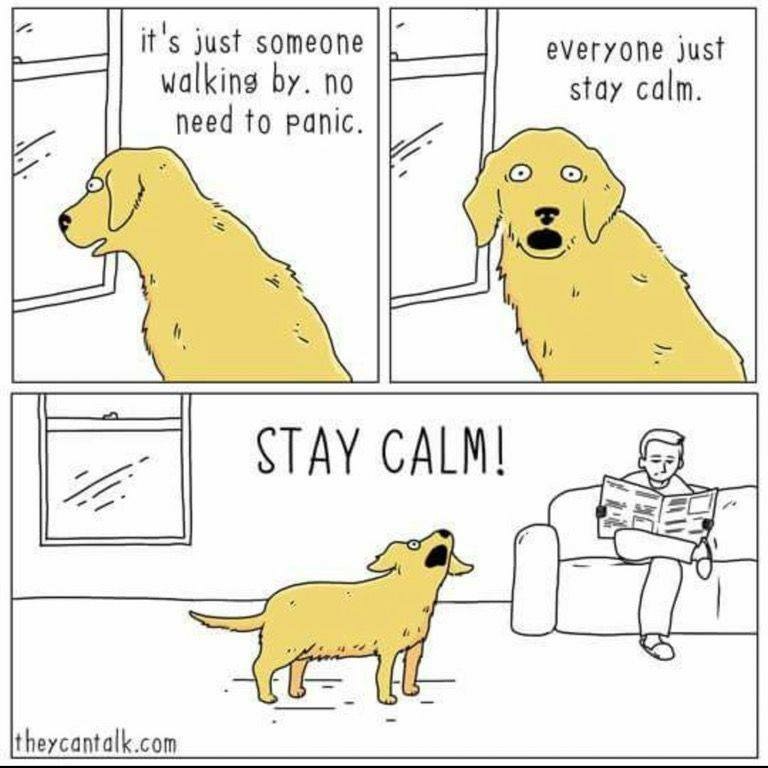
Even if you think your dog is excited to greet guests coming into the house, it’s important that we keep greetings low key. There’s a lot going on, with lots of excitement, so your dog’s normal tolerances may be stretched thinly.
Enthusiastic greetings, with lots of touching, petting and hugging, is not going to help you or your dog remain even a little calm as people enter or move about. Helping your dog learning to like being out of the way a little during the festivities is probably going to be better in the long run.

An ounce of prevention
Use leashes, baby gates and other management strategies to keep the peace at doors and greetings.
- confine and secure your dog in another room, with a tempting treat, chew or toy to work on before guests arrive (More on preparing your dog for confinement here.)
Have your guests call or text, rather than ringing the doorbell or knocking.

- let your guests come in the door and settle before introducing your dog
- bring your dog in on lead to prevent jumping
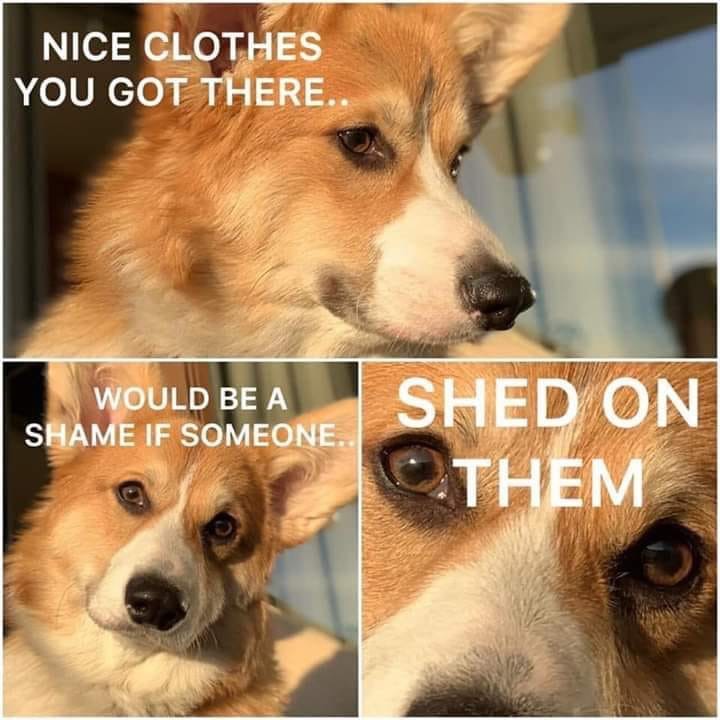
Guests will probably be wearing nice clothes, specially for the occasion, so even a friendly dog jumping up or getting too close may be uncomfortable.
- you (don’t have guests feed your dog) have high value food rewards for the dog and drop them every couple of seconds, or scatter a handful – this HIGH rate of reinforcement will help your dog to focus on this game, rather than losing control in excitement
Guests don’t need to pet or greet your dog too emphatically – let things settle before you think about letting your dog choose to interact, or not.

- some dogs like to hold something in their mouth when excited; have a favourite toy type available at various spots around the door and areas where guests will be welcomed. Give this to your dog to carry before they greet guests.
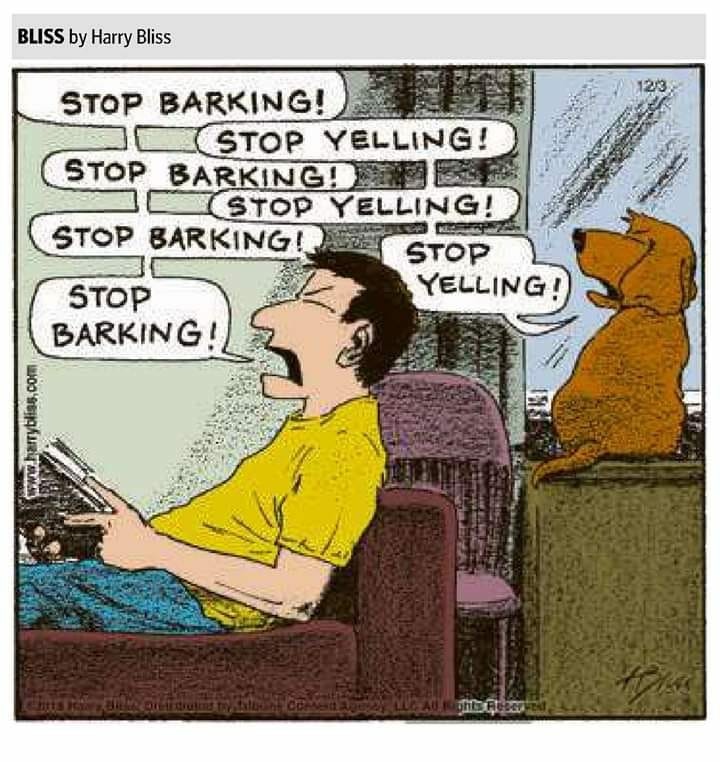
- don’t yell at your dog for barking – scatter treats, ask him for behaviours or tricks, hold a stuffable toy for them to lap, or remove them from the room
If your dog is more cautious meeting guests, try a new guest greeting routine to see if that helps them settle. Practice NOW with familiar people so your dog learns the pattern, without all the excitement of greetings at Christmas.
Many dogs are more comfortable greeting new people outside in more open spaces:
- have your guests call or text when they arrive
- they wait outside on the street, away from the house
- bring your dog, on lead, out and walk in a wide loop around your waiting guests
- your guests move into the house and ahead of you and settle
- keep your dog back far enough that they are not reacting, barking, staring or straining on the lead to get them
- once your guests are settled, enter with the dog on lead and feed him really high value food rewards really regularly
- remove the dog after a couple of minutes and confine in a safe room with plenty of things to keep him entertained
A dog this uncomfortable with guests may not settle enough to be truly comfortable and may be better off confined away safely, with regular visits and outings on lead, or may do better with a pet sitter or with familiar people having quieter celebrations.
If a dog is unable to settle and can’t largely ignore guests after a few minutes, remove the dog and give them a break in another room.
Please be aware that sometimes, a dog appears to have settled because he has stopped barking and is ignoring the guests. The absence of barking or growling does not indicate comfort or happiness.
If your guests move, laugh or talk loudly, get up or come back into the room, your dog will start to bark or become unsettled again. This is a good indication that your dog has not been comfortable, and can’t cope with the extra stimulation and change to the guest.
Remove your dog and settle them in a safe confinement spot.
Sniffing & Snuffling for door management
One of the most effective ways to control your dog’s arousal related behaviour is to redirect them to an equally absorbing task, but something that gives them more appropriate outlets for their excitement.
Lapping (a lickimat, for example), sniffing and snuffling are the perfect alternative behaviours because they really encourage the dog to focus on the task at hand (finding food rewards), while helping them calm and preventing them practicing unwanted behaviour.
Start practicing today so that doors and greetings don’t cause drama at all this holiday season!

Calm entries
Practice this simple exercise each time you come into the house on the run up to Christmas.
Establish a Sniffing Station inside the door, or other appropriate greeting spot, at which you greet your dog. Use a snufflemat or similar snuffling puzzle, or just scatter treats onto the floor as soon as you enter.
Have treats in a tub in the car or your pocket so you are prepared as soon as you walk in, or just inside the door. Enter the house and excitedly bound to the Sniffing Station; scatter treats liberally for your dog to snuffle.
This helps to change your dog’s expectations. Instead of anticipating this spike of arousal and great excitement when someone comes to the door, they will think sniffing is best instead.
If others practice this too, and you put this into place with guests entering, you will have a calmer door situation, with lots of snuffling and sniffing!

Doorbell = Snuffle Party
Teach your dog that the doorbell signals a snuffle party! Instead of your dog running to the door, they run to you and their Sniffing Station to snuffle for treats; then you can bring your guests in calmly and quietly.
Establish a Sniffing Station with a snufflemat, a snuffle puzzle, or simply scattering treats on the floor, on a blanket or towel, or in their bed.
Practice in short sessions of just a minute or so at a time.
Begin working close to the door so your dog can quickly check that there’s nobody actually there. But as their comfort increases, you can move your Sniffing Station to the spot you want your dog to go to when the door bell sounds, such as another room, a confinement area, a crate or their bed.
Be exciting as you bound to their Sniffing Station – it’s a snuffle party after all!
Use a recording of your door bell or a similar sounding bell. The one I use can be found here.
You gotta practice door management games before you really need them but they are simple to work into your daily routine and require only 30-60 seconds practice per day.
REBOOT: Day 88 Challenges
Teasers…but suspended here!
REBOOT: The Last Equipment List
This is it, this is the last lots of bits and pieces you will need to complete the program: here!
REBOOT: Day 87 Challenges
Get your stack on for Day 87 here!
 AniEd Ireland