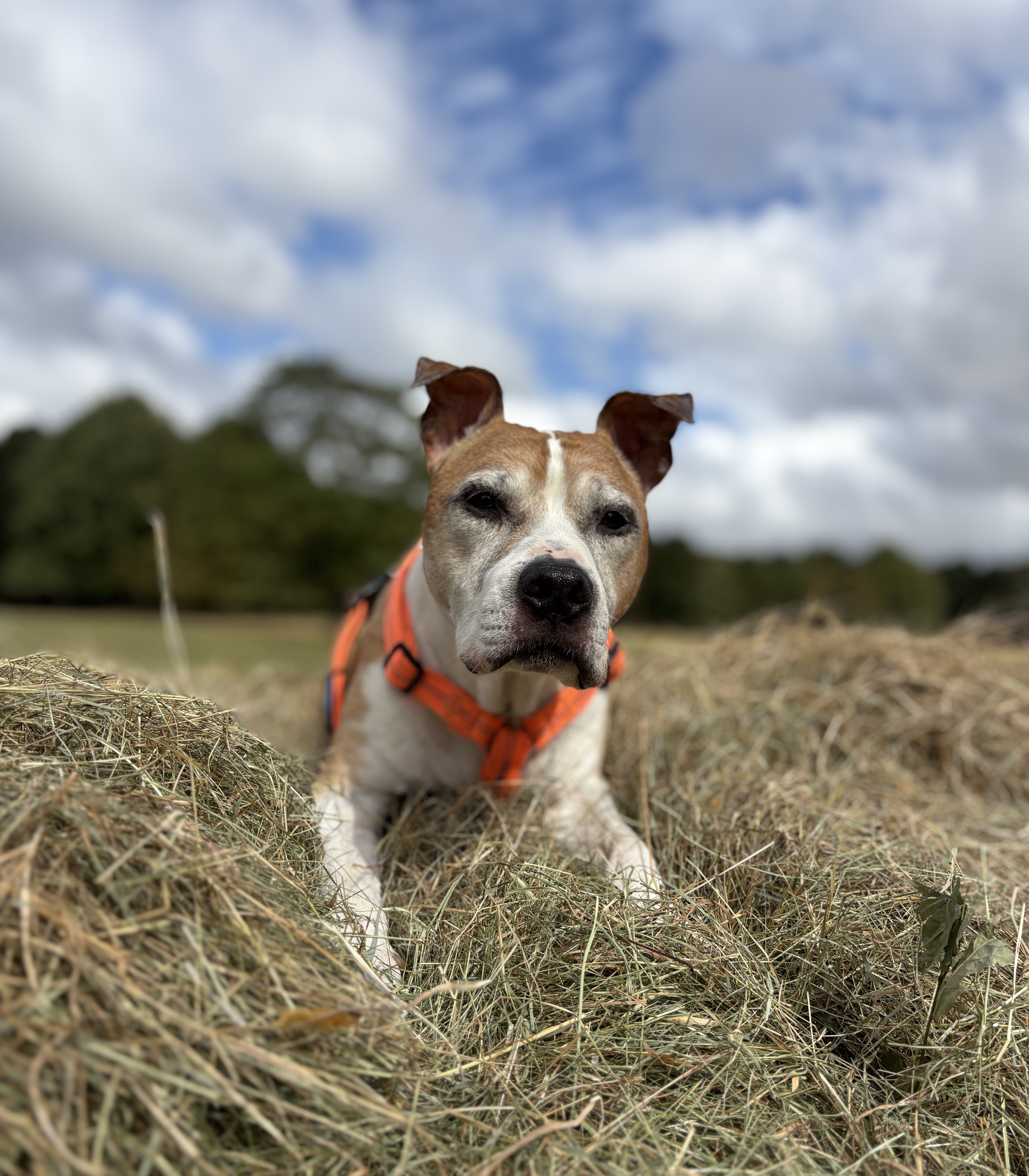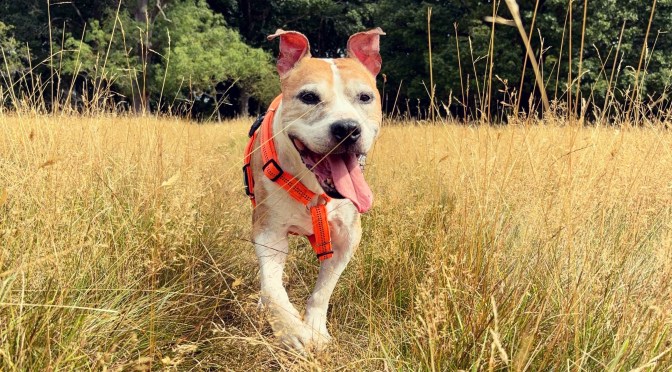
As Decker gets up and up and up in years (he’s fourteen and a half in a couple of weeks), I think and learn and write more about aging dogs. But I also live it, like so many lucky enough to still have their dog with them.
Over the last couple of weeks, Decker has had some health stuff going on that’s seriously shaken up our status quo, establishing another new normal baseline.
He had a significant pain flare, the source of which is not entirely clear, but accompanied some bloody diarrhoea, a very swollen face, and all round misery.
We had an all-nighter, with him pacing, disoriented, getting stuck, wobbling and falling over. Acute pain responses reduced with pain relief but the disorientation and discoordination continued all night, gradually reducing in intensity over a few days, before complete recovery.
CCDS & DISHAA
Earlier this year, an international working group for Canine Cognitive Dysfunction Syndrome (CCDS) published diagnostic guidelines (here).
DISHAA is a diagnostic framework characterised by the recognition of changes to the behavioural domains of disorientation, social interaction, sleep disruption, house soiling, learning and memory, activity changes, and anxiety (DISHAA) in aging dogs.
These changes are chronic, progressive and affect daily life. Decker is not really demonstrating any of these signs in any intensive way…except when he’s having a pain flare.
While DISHAA involves history taking, in the first instance, to understand the impacts of these progressive signs, acute and chronic pain cannot be “ruled out” as contributing factors.
And treating for pain, doesn’t rule out the gradual and progressive changes associated with CCDS.
Dismissing these signs as “just old age” is bad enough but neglecting to recognise the contributions of pain on top of these behavioural changes is pretty crappy for that dog.

Clarity in the wee hours
Decker getting up there in age also means I’m thinking and learning and writing a lot about the effects of caring for aging dogs on the care-givers.
Care-giver burden is well recognised, affecting those caring for children, elderly relatives, terminally ill loved-ones and so on. And it’s also relevant to those caring for aging dogs. Super relevant.
(Spitznagel et al, 2019).
Sleepless nights have become part of our new normal and not really because Decker is up. He’s sleeping soundly outside of those periods of illness and pain. But me? Not so much.
Just that is enough to up the burden-o-metre, but add in the worry, the pressures, the anticipatory grief, the adjustments, the juggling, the rest of life and so on and on.
But one thing that this episode has done to bring some comfort, just a little, is, it’s provided some clarity. There have been a few times over his life where Decker has been suffering, just a handful, until treatment was on board and he pulled off another miraculous survival. He immediately returns to himself, loving life. But every episode is chipping away at his robustness, if not his resilience.
When I watched him circling & getting stuck, unable to settle, pacing, wobbling & falling over, trembling in acute pain, all night, it confirmed what I’ve already learned from these types of episodes. I’ve learned that I won’t allow him suffer like this. I was convinced that I would be making that decision for him that day but, with treatment, he gradually came back to normal. This time.
And while this clarity doesn’t really relieve the burdens, there is comfort in having clear lines in the sand. What is and what is not acceptable, what criteria help in making that final decision. For him, rather than for me.