A zen-dog is a pleasure to live with because he has learned that good things come to dogs who wait.
The zen-dog doesn’t steal food or belongings, the zen-dog doesn’t snatch things out of hands, the zen-dog doesn’t jump up on people or counters to grab food or items, the zen-dog doesn’t steal from your plate, even when you leave it down within reach.
The zen-dog waits patiently, asks nicely and behaves politely to get the things he wants.
Would you like a zen-dog? You’re in the right place…
We are going to build on our NO mugging rule by teaching our dog, that to get the food in your hand, be patient and polite.
Today’s Games
Time Allowance: Practice for 1-2 minute sessions and then take a break. Have a few sessions today.
Try fitting each short session into your routine; for example, while you wait for the kettle to boil, during the ad break of your TV show or while you wait for the computer to start up.
Family Participation: This exercise is for adults only!
Top Tip for Today’s Training Games: Notice that we don’t ask our dog to do anything here at all – no talking!
This is about self-control – we are working on a default here so you never need to ask for polite behaviour when you have things your dog wants – he just does it!
Remember, if your dog gets stuck with any of our exercises this week, think of ways that you can make it easier for him to succeed and then build again more gradually.
Zen Level 1:
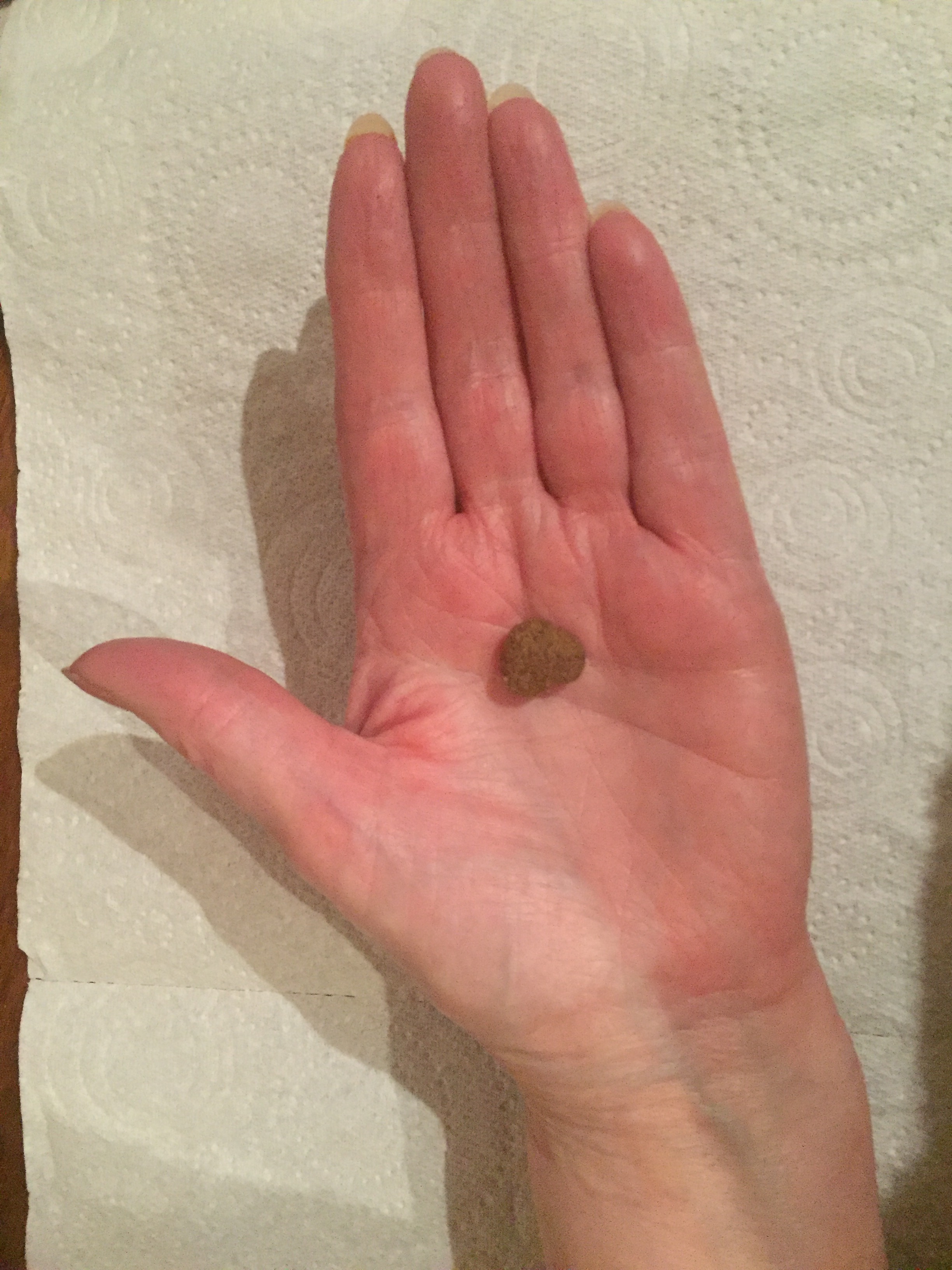
hold some food rewards in your palm
if your dog approaches your palm, close your fist
if your dog attempts to mouth or paw your fist withdraw your hand by bending at the elbow
when your dog stops, re-present your open palm
repeat as needed
as soon as you notice your dog chooses not to move toward the treat or showing any of the behaviours on his polite list, offer him the food
Start working on this exercise with just your dog’s regular food in your closed fist and as he improves increase the value of the food rewards.
It’s best to start with this exercise while sitting on a chair or sofa.
When it comes to food, especially high value food, dogs are pretty quick about hoovering up any morsel they can get to, so, the first rule of this week’s games will be that mugging = nothing but patience = yummies.
Your powers of observation are needed here again – this time you are looking out for polite behaviours to reward.
Polite-list behaviours that you might reward include:
four feet on the floor (no jumping up)
quiet (no barking or whining)
moving back from you
being still
standing away from you
Can you come up with a list of behaviours that tell you your dog is being patient and polite?
Today’s Games
Time Allowance: Practice for 1-2 minute sessions and then take a break. Have a few sessions today.
Try fitting each short session into your routine; for example, while you wait for the kettle to boil, during the ad break of your TV show or while you wait for the computer to start up.
Family Participation: For this exercise it’s best to get this really well established before allowing children participate in this one, just in case this excites and frustrates your dog a little at the start.
Top Tip for Today’s Training Games: If your dog gets stuck with any of our exercises this week, think of ways that you can make it easier for him to succeed and then build again more gradually.
Options to try might include:
having the food in or under a tighter hand
using lower value food
working when your dog is calmer and the house is quiet
practicing after your dog has been fed so he’s not as hungry
making sure there are no other dogs around
Beginner Level Game
Start standing up, holding a handful of yummy treats – you can have the treats in a treat pouch, in a bowl or any container you wish.
Make sure your dog notices the yummies and wait for him to approach.
Before your dog gets to you, toss a food reward just behind him.
He will approach again; repeat.
There’s no talking in this game – so don’t ask your dog to do a behaviour!
Not only does Benny the puppy offer polite distance but he also sits – dogs do what works, so if you reward it, they will do it!
We are easing your dog into this game by rewarding him where we want him to be – a little bit away from us so there’s no mugging!
After some practice at this game, try our advanced games next.
Advanced Level Game
Now that your dog has learned how to be a bit more polite when you are standing up with treats, we are going to increase the challenge little by little.
holding your treats, bend at the knee a little
as soon as your dog approaches, toss a treat away
repeat lots, bending a little lower each time if you can
Still no talking or asking your dog to do behaviours!
A greater challenge:
Your mission, should you choose to accept it, is to watch your dog and reward him every time he is being patient and polite.
When you begin with this game, just choose one polite behaviour at a time to reward.
When your dog is offering that one, choose a second polite behaviour and reward that, and so on.
Each time you see your dog offering one of these behaviours reward him with a teeny treat.
Holding your treats, kneel on the floor or sit on a low chair or stool.
Work through your list of polite behaviours, watching your dog closely.
Reward your dog where you want him to be so hold your reward right at his nose and guide his head away from you before releasing the reward.
Jumpy really wants his toy but has learned that by responding to cues he can get his reward…
Week 3 Patience Pays
Improved self-control can lead to a vast progress in lots and lots of training and behaviour exercises you’re working on.
In the dictionary, beside the definition for “self-control”
This week we will be working on teaching our dog that he just can’t have all the things he wants, when he wants them – but instead, teaching him a new rule, that patience pays.
What do I need for Week 3?
Training Mix
your dog’s favourite things (treats, toys, activities and so on)
a little bowl
leash, collar and so on for walkies
Week 3 Training Games
The First Rule of Week 3
Doggie Zen Level 1
Doggie Zen Level 2
Doggie Zen Level 3
Doggie Zen Level 4
Living the Doggie Zen Life
What’s my dog learning?
I am learning that good things come to those who wait!
I can control my frustration and can wait patiently
I learn that I can’t have everything I want when I want it!
I learn how to choose more appropriate behaviours rather than having to be told what to do.
I become better at settling myself and am much easier to live with.
By learning to tolerate frustration and delay of reward helps prevent me developing more serious behaviour issues.
We’re exchanging impatient and pushy for calm and polite!
You can download a more printer friendly, but abbreviated version of this week’s exercises here.
Parking is a great tool that can be used in lots of situations. This clip from Learning About Dogs shows some of the applications of parking:
We are going to use parking with our dog’s calm-mat to help with calming and managing your dog’s behaviour in potentially exciting situations.
Today’s Games
Time Allowance:
Practice for 1-2 minute sessions and then take a break. Have a few sessions today.
Try fitting each short session into your routine; for example, while you wait for the kettle to boil, during the ad break of your TV show or while you wait for the computer to start up.
You might settle your dog for a long period too – and that’s great!
Family Participation:
It’s better for adults to practice today’s games as it is not safe for children to stand on the lead to restrain a dog.
Top Tip for Today’s Training Game:
Use the Jazz up/Settle down game to give your dog the opportunity for a little crazy before you expect your dog to settle down while you are busy or occupied.
You will need:
Training Mix
your dog’s calm-mat
leash, collar/harness
Kong toys – stuffed or lined
Beginner Level Games:
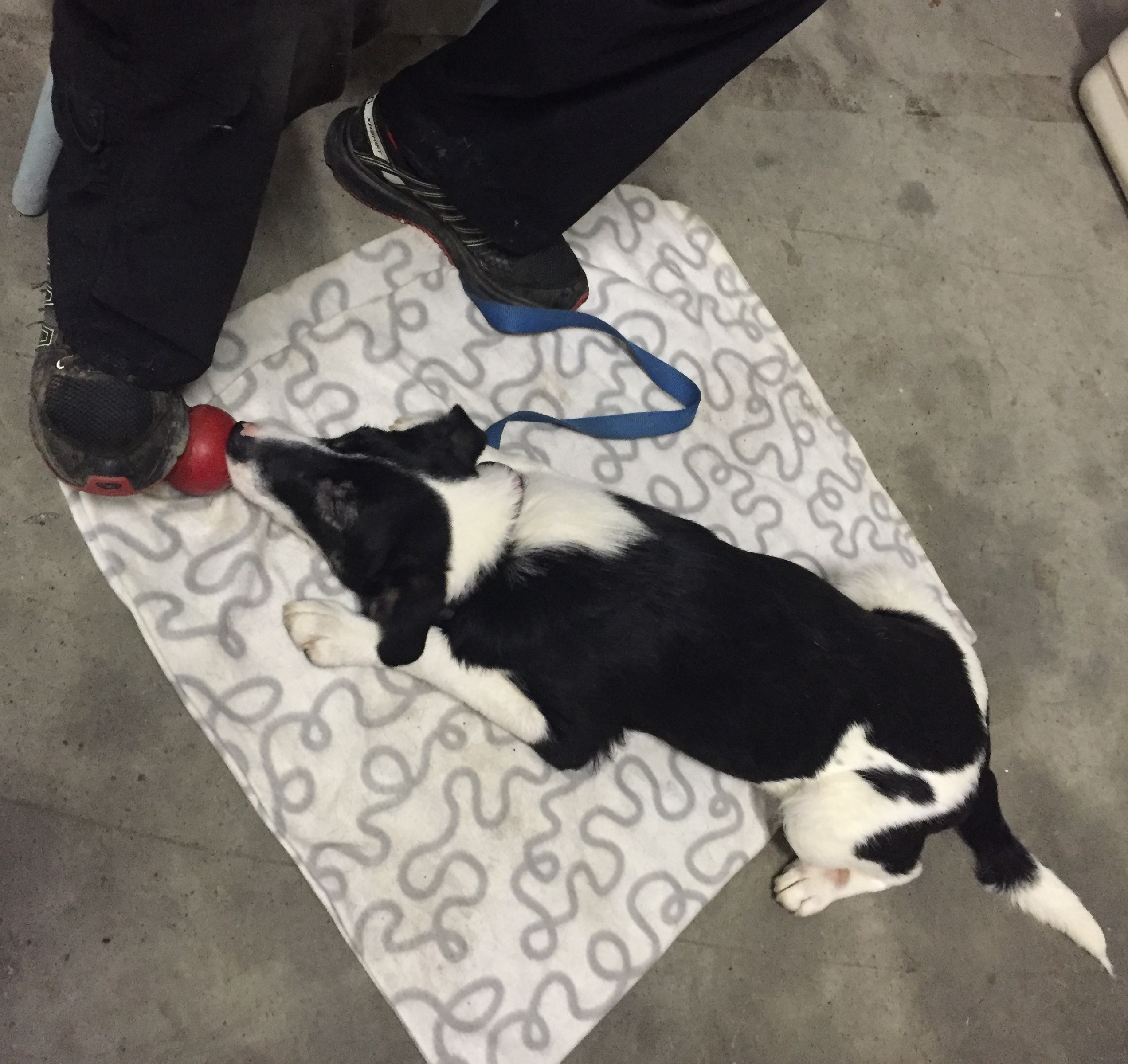
Park your pup:
have your dog on a lead attached to a flat collar or harness
give your dog a chew or lined Kong toy to work on (if it’s too exciting and your dog can’t settle first, hold his collar or harness with one hand)
hold the lead with one hand and allow the slack of the lead to pool on the floor
stand on the lead at the point where it is taut to your hand, but there is slack to your dog
Use your dog’s calm-mat for this one and practice in different rooms of the house.
Advanced Level Games
Park your Pup, on the road:
For your walkies, bring your mat and a frozen lined Kong toy. About halfway through, lay out your dog’s mat and see if he can lie on it.
Don’t worry if he’s not ready for that just yet!
Hold the Kong toy under one foot on your dog’s mat. Park your Pup with your other foot and allow your dog to work on their yummy treat.
This lapping action, taking some time and encouraging your dog to settle will help your dog to flip his off switch, even on an exciting adventure.
Maybe your dog can only work on their Kong for a few seconds or maybe he finds it difficult to be too interested in it at all – these are really likely at the start of your training program. So don’t worry too much – there are things we can do:
practice this in a really quiet spot
allow your dog to check the area out first and sniff every inch
use the absolute most amazingly yummy filling to line the Kong
practice toward the end of your walk, closer to home – if at the start this works best when you get back to your front door, or even inside the house that’s ok and is your starting point – work backwards from there
You can play this game at home too!
Try this game with your calm-mat to really test your training:
Jazz Up & Settle Down
This game teaches your dog to better control his excitement and allows him to practice bring himself down from that high. We are basically helping your dog install that ‘off’ switch.
using a toy, a game and an excited tone of voice get your dog all jazzed up – remember to use your cue for getting a game going
jazz up for a five count
immediately stop and lay out your dog’s mat
if he doesn’t lie on it, you may need to remind him by cueing or luring
you can use food rewards at the start of this game – reward your dog with one food reward after another
settle down for a ten count
get your dog all jazzed up again and repeat
As your dog improves with this exercise you should see him settle quicker – now you can begin to increase the length of each jazz up and each settle down period.
Always make sure that your dog is settled for at least twice as long as they are jazzed up.
Start and end each game with a settle down; having a longer settle down at the end.
So you’ve seen how much your dog wants to, needs to and enjoys working for his food with last week’s games – think of all the behaviours he has had to carry out to earn his keep…
Just like people, dogs don’t work for free and if we want them to do behaviours for us, we gotta make it worth their while.
Because some behaviours can be trickier than others, the rate we pay will also need to vary appropriately.
Jean Donaldson discusses motivation in dog training in this clip.
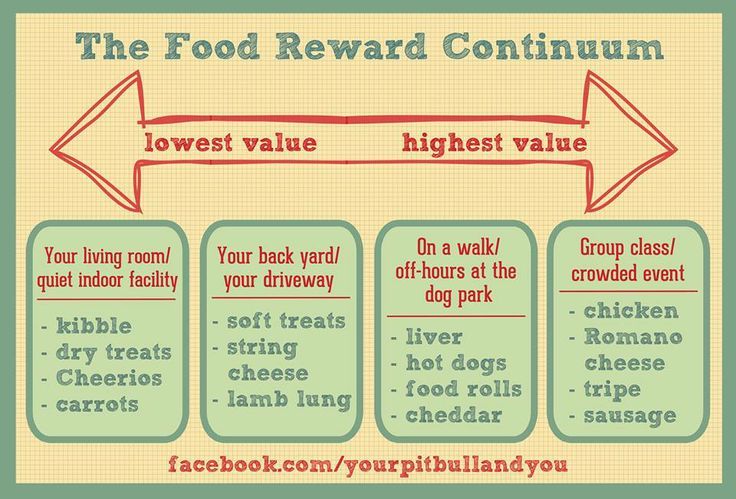
Lower value rewards work best for easier behaviours and higher value rewards work best for harder behaviours.
Is it just about food rewards?
Nope, it’s about motivation!
We want our dogs to want to carry out the behaviours we want them to do – to achieve that we need to work out what motivates them, and then teach them how to get those things.
By teaching our dog to be a good human-trainer, they will learn to carry out behaviours that cause us to release motivators.
Dogs do what works!
Food rewards are handy because…
your dog has to eat – that’s why teaching your dog to work for his regular food is so valuable
animals will readily carry out behaviour that earns them food – all animals are biologically motivated by food (if a dog isn’t eating there may be something else going on…)
food rewards that are small enough are quick rewards allowing you to practice another repetition quickly – this allows dogs to learn most effectively
anticipation of food rewards causes the release of pleasant feelings in the brain
seeking out food is incompatible with feelings of fear, anxiety or panic
Following our program will help you to use food rewards in training most effectively.
Beyond food rewards
Motivators come in all shapes and sizes, and are often individual to each dog and sometimes to breeds or types of dog.
Anything your dog likes access to or likes to escape from can reward their behaviour.
Out of these things, ones that you can control are most useful in training.
Make a list of the things that your dog likes.
This might include certain foods, toys, activities, praise & attention, other individuals or places such as:
eating
playing
tugging
fetching
sniffing
swimming
splashing
rolling
meeting
greeting
humping
barking
chasing
Grade the value of the rewards in your list. This way you will have a better idea of higher or lower value rewards that your dog will work for.
It’s often best to use the lowest value rewards that your dog will work for in a given scenario – keep your big guns for when the going really gets tough!
Think of rewarding your dog as a quid-pro-quo deal – “you do this behaviour for me, and I will give you access to the things you like!”
Distractions
I am sure you have noticed that sometimes your dog isn’t interested in the things you have to offer…distractions will compete for your dog’s behaviour, making training harder.
Distractions might include:
eating
playing
tugging
fetching
sniffing
swimming
splashing
rolling
meeting
greeting
humping
barking
chasing
Notice the similarities…?
Distractions are just rewards that your dog wants more than whatever you have to offer, right now.
Make another list:
what is your dog distracted by?
what would your dog rather be doing when you would like him to do something else?
Just as you did with your rewards list, grade these distractions – just how distracting are they?
Now you have lists that allow you to balance rewards and distractions. Something high on the distraction end of the list will require rewards high on the rewarding end too!
When you are feeling down smiling can actually help you feel a little better. Your brain and your behaviour interact plus smiling might cause you to think of things that make you happy, so smiling can help you feel better.
Today we are going to start with teaching our dog’s body how to look more relaxed – just like with smiling, we can get this calm behaviour first and with practice the feeling of calmness will follow.
It’s important to note here that we want to teach the dog to choose more relaxed behaviour – you will not be helping your dog develop calmer behaviour and feelings if you coerce or force your dog.
You probably wouldn’t feel too much better if I physically made you smile or forced you to do it.
And what’s more, by associating the behaviour of being calm with something the dog likes, we can increase the pleasantness associated with being chilled out.
(Imagine I gave you your favourite treat food every time you smiled – yep, you would be smiling a whole lot more and you would be feeling a whole lot better too!)
Today’s Games
Time Allowance:
Practice for 1-2 minute sessions and then take a break. Have a few sessions today.
Try fitting each short session into your routine; for example, while you wait for the kettle to boil, during the ad break of your TV show or while you wait for the computer to start up.
Family Participation:
Kids are often great dog trainers. Teach each child how to lure safely.
If your dog is mouthy, jumpy or likely to get over-excited it might be best for you to get the behaviours established and then bring in the kids to help with practice.
Always supervise child-dog interactions and make sure children learn to leave the dog alone when eating his rewards.
Top Tip for Today’s Training Game:
Work on settling exercises when your dog is pretty relaxed and chilled. Wait for the entire household to be quieter and practice exercises when it’s easier to be calm.
You will need:
Training Mix
your dog’s calm-mat
Using your dog’s calm-mat
Use your dog’s new towel/mat/blanket as the calm-mat for these exercises.
Your dog’s new calm-mat is going to become a sign that signals your dog to chill out so we need to use it carefully.
At the start of training only have your dog’s calm-mat out and available during training. It’s important that your dog’s mat isn’t out when your dog is excited or when exciting things are going on, for example, guests arrive or it’s time for walkies.
Beginner Level Games:
Teaching ‘down’
Teaching your dog to lie down is the first stage toward giving them behaviours that help with calming.
For this exercise, this week, we don’t need to get lying down on a verbal cue (great if you already have it or if you work that far this week!) but instead your dog’s mat will become the signal for your dog to be calm and lie down.
First task is to teach your dog to lie down on their new mat.
We practiced lots of luring last week and now we can apply that here too.
Practice working on this behaviour on your dog’s calm-mat. With plenty of practice, your dog will soon start to lie down on his mat, without you needing to ask him.
At the same time we are teaching our dog to lie down, we will also teach our dog to get up and go about his business again.
Once your dog lies down on his mat, reward him four times, one food reward after another, in position by feeding him in between his front legs.
Say your release cue (it can be anything you like such as ‘go’, ‘OK’, ‘all done’ etc.) and then roll or toss one food reward off the mat to encourage your dog to get up.
Does your dog already lie-down on cue? Try laying out your dog’s mat and ask them to lie-down on it, reward and repeat five times.
If that goes well try these games:
Find your mat
After practicing down and releasing your dog increase the challenge. Lay your dog’s mat out and wait for your dog to get onto the mat, without asking him – if you are lucky your dog might lie down straight away, but if not don’t worry.
Try to build toward this instead:
dog stands on the mat, reward off the mat – repeat x10
dog sits on the mat, reward off the mat – repeat x10
dog sits on mat, reward by luring into a down (then reward three more times between his front feet and release) – repeat x10
wait for your dog to come back to the mat and wait – if he lies down reward x4 and release and repeat
When your dog is lying down on his mat, offer the first reward by luring your dog’s head slightly to one side. This will encourage your dog to flop over onto one hip – this is a more settled position.
Reward your dog with three food rewards between his front legs and then say your release cue and reward off the mat.
Trick training is a fun way for your dog to earn his lunch and for you to really get into teaching your dog behaviours.
Keep it light, keep it fun and remember, it’s all tricks to your dog!
Today’s Games
Time Allowance: Practice for 1-2 minute sessions and then take a break. Have a few sessions today and tomorrow.
Try fitting each short session into your routine; for example, while you wait for the kettle to boil, during the ad break of your TV show or while you wait for the computer to start up.
Family Participation:
Kids are often great dog trainers. Teach each child how to lure safely.
If your dog is mouthy, jumpy or likely to get over-excited it might be best for you to get the behaviours established and then bring in the kids to help with practice.
Always supervise child-dog interactions and make sure children learn to leave the dog alone when eating his rewards.
Top Tip for Today’s Training Games:
When you are just starting with a new behaviour (for you or your dog) work in a low distraction situation, such as inside the house, so that both you and your dog can concentrate on learning the new behaviour.
Luring
Let’s start with luring – this is a way of teaching dogs simple behaviours by guiding their body into position with a food reward or toy right on their nose.
A small food reward, like a piece of kibble, is best to start with as it can be hidden in your hand easily.
The mechanics of luring start with how you hold the lure:
Hold the lure under your thumb and against your fingers. Present the back of your fingers to the dog though.
This helps to avoid your dog mouthing at the lure in your fingers.
Move the lure down to your palm when you reward the dog.
Deliver the lure, as a reward, on your flat palm. This is a safer reward presentation and reduces your dog’s teeth catching your hand.
Hold the lure right at your dog’s nose and move it slowly until they are in position. Say YES! and release the lure to reward them.
Think of the lure like a magnet…
If your dog’s nose isn’t right at the lure (remember, it’s a magnet) you’re moving too fast or in the wrong position.
Luring properly can take quite a bit of practice but we’ll keep it simple with some cute tricks to get you started.
Beginner Level Tricks
Sit Pretty
Ask your dog to sit, or lure him into sit position.
Slowly raise the lure, right at your dog’s nose, straight up above his head.
When he lifts his front legs off the floor, say YES! and release the lure to reward him.
Repeat until your dog promptly follows the lure straight up, and supports his weight, front legs off the floor.
After some practice you will be able to work with only one lure, the one in your right hand.
Roll Over
Ask your dog to lie down, or lure him into a down position.
Wait for your dog to choose a hip to rest his weight on, or lure him to one side or the other.
Guide your dog’s head back toward the opposite hip.
Lure your dog’s head up and over so that he lies on his side. You can continue to lure your dog over all the way or choose to reward him at this stage.
We certainly don’t want to have to lure the dog with a food reward every time we want the dog to do a behaviour so as soon as the dog is doing the behaviour by following the lure, we will begin to fade the lure and eventually get rid of it altogether.
First stage is to fade the lure so that it’s less about the lure and more about being rewarded for the behaviour:
once your dog is performing the behaviour every time you lure him, keep the lure working but don’t let the dog have it – when he completes the behaviour, say YES! and reward him with a food reward from your other hand
with some practice, switch to using the lure every second time – keep your hand in the same position, as if you had the lure in there – say YES! and reward the dog from your other hand
after a few repetitions, switch to using no lure at all and instead just say YES! and reward the dog from your other hand
Once the behaviour is reliable, start working without a lure:
Now your dog is performing the behaviour on your hand signal (empty hand)! Because English is a second language to your dog we will use your hand signal to teach the dog your verbal cue (a word).
When the dog is performing the behaviour on verbal cue we can begin to think about reducing the number of food rewards.
If you would bet €50 that your dog will do the behaviour when you ask him, you can start to reduce the number of food rewards! Doing so before this may weaken the reliability of the behaviour – don’t un-do your hard work!
Do you have a favourite trick you are working on? Practice that one instead, having your dog earn his Training Mix!
repeat Thursday’s games (I play this one with my dog every day!)
bring a yummy lined (frozen) Kong toy or chew on your walk today and give to your dog about halfway through in a calm and low-distraction place; settle for about ten minutes (check your phone, bring a book…) – take a break!
It’s a good idea to provide your dog with a pacifying activity after your walk too.
Advanced Level ideas:
teach your dog to start and stop your favourite game on cue – have an obedience break of at least two behaviours
play jazz up/settle down:
Get your dog all excited and wound up for a five count.
Ask your dog to lie down or settle and be quiet.
Once your dog is quiet, get him all wound up again.
Have an assistant (the kids might love this job!) time how long it takes for the dog to settle.
Repeat – record your improving times.
Yay!
Today’s training games are certainly a little more challenging and you and your dog have done great!
Well done – the last plan of the week is coming on Saturday so be sure to let us know how you are getting on 🙂
Up & Down – pacifying and energising activities for dogs
To really benefit from enrichment and entertainment, dogs need both pacifying and energising activities – if we bring them up (energising) we also need to bring them down (pacifying) again.
This can be applied in real life too, and not just in games. If your dog gets particularly excited by something such as the doorbell or seeing another dog, make sure to give him the opportunity to engage in a pacifying activity afterwards to help him calm again.
Use your dog’s regular food for pacifying and energising activities in fun kibble games:
We have a training challenge for you today (and tomorrow)!
Time Allowance:
Each game will take 30 seconds to 10 minutes depending on which games you choose.
Your dog will be doing lots of the work!
Family Participation:
Children will enjoy preparing some of these games but please take care – it’s not recommended that your dog associate high activity and excitement with children so best choose games that the kids can participate in carefully.
Just ask us if you need help!
Thursday’s Games:
Today choose at least one energising activity and one pacifying activity that you and your dog will enjoy.
Play with your dog:
1-2 minute pacifying activity
followed by…
30 second energising activity
followed by…
1-2 minute pacifying activity
Have a few rounds of that sequence today (always beginning and ending with pacifying activities) – be creative, mix and match activities and time it so that pacifying activities coincide with your natural settling routines e.g. family dinner time, watching TV.
Friday’s Games:
Beginner Level ideas:
repeat Thursday’s game (I play this one with my dog every day!)
bring a yummy lined (frozen) Kong toy or chew on your walk today and give to your dog about halfway through in a calm and low-distraction place; settle for about ten minutes (check your phone, bring a book…) – take a break!
It’s a good idea to provide your dog with a pacifying activity after your walk too.
Advanced Level ideas:
teach your dog to start and stop your favourite game on cue – have an obedience break of at least two behaviours
play jazz up/settle down:
Get your dog all excited and wound up for a five count.
Ask your dog to lie down or settle and be quiet.
Once your dog is quiet, get him all wound up again.
Have an assistant (the kids might love this job!) time how long it takes for the dog to settle.
Repeat – record your improving times.
Pacifying
When working on pacifying activities use your dog’s regular food to avoid too much excitement.
Lapping & chewing are calming for dogs and a great (and more acceptable) outlet for destructive behaviours.
Providing your dog with a stuffed or lined chew toy can encourage him to settle, lap and chew so helping him to relax too.
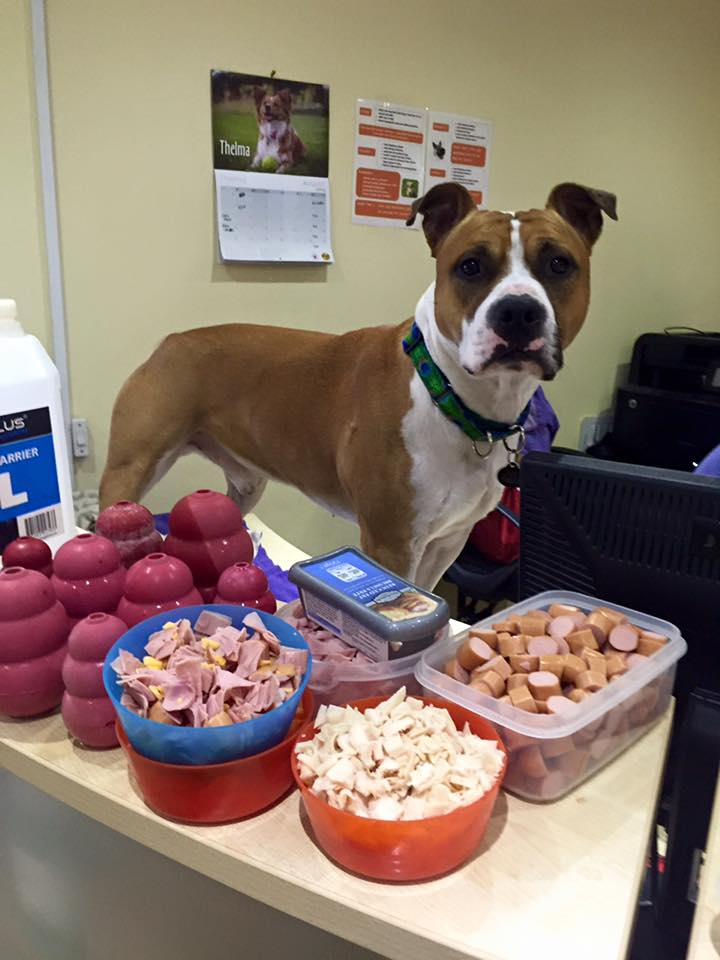
Of course we are big fans of Kong toys!
Simply lining a Kong toy with something yummy and freezing it can be a great way of keeping your dog busy and chilled, easily.
Make a homemade pacifier for your dog; and it makes a great summer treat too:
line a lunchbox with a plastic bag or film
add some food, treats, chews to the lunchbox
add water or low-salt stock
freeze
turn it out but don’t give to your dog if he is already hot or cold
Choose chews for your dog carefully and know your dog’s chewing style. Your dog chewing anything may be potentially harmful in a particular situation so be aware of ways to reduce the risks.
It’s never a good idea to give your dog cooked bones or very hard bone (e.g. weight bearing bone, heavy antlers etc.) as these can cause damage either when ingested or during chewing to teeth.
Natural chews are generally best but always check and monitor their condition. Look for signs of splitting or splintering, and keep an eye on their size appropriate to your dog.
Chews such as gullets, ‘pizzles’ and scalp have become more widely available.
Cheaper rawhide type chews can be dangerous if swallowed so if choosing rawhide look for chews that are constructed from one piece of hide, that are not bleached or coloured and keep a close eye on your dog as he chews them.
If in doubt, ask your qualified veterinary healthcare team before allowing your pet to chew!
Settle exercises will help to teach our dogs to take up a more relaxed position on cue, so as to help him chill out while you relax too.
Don’t worry, we will be working on settling and calming exercises during our program so you will have lots of practice.
Self-control exercises help to boost your dog’s frustration tolerance and patience. Asking your dog to think first before acting will help him to calm himself in exciting situations.
We will be working on lots of these exercises during our program too.
Energising
These are the easy ones – dogs are very good at getting excited! That means we have to work harder at teaching our dogs calming behaviours.
So, we will use these energising activities to help teach our dogs to calm too.
Chasing and catching food rewards is a great way of getting your dog activated and is perfect for rainy days when outdoor exercise may be limited.
Always work within your dog’s physical capabilities and take care of the sorts of surfaces you ask your dog to run, jump and turn on.
Games like Chase the Kibble, Catch the Kibble or Goalkeeping are simple and require very little activity on your part so are perfect if you are feeling under the weather.
If you have a fit dog, having them chase kibble or food rewards up and down the stairs can tire them quickly.
Practicing training exercises such as tricks and manners in short sessions each day gets valuable practice in while providing both physical and mental challenges.
And of course you will get lots of practice during this program!
Toy play:
You can also introduce energising activities with toys. Games such as tug and fetch are great fun for both dogs and humans BUT if we are going to play games, there must be rules.
Rules help prevent some of the problems that can be associated with too much high-arousal, repetitive activity (see Tuesday’s post).
Teach your dog the rules of these games first, so that the fun stays fun:
the game starts on cue only
Use a cue word or action that lets your dog know the game is going to start.
Rules that may be in place in ‘real life’ may not be in play during a game and other rules may be enforced so letting your dog know it’s time to play will reduce confusion.
This can also help to prevent your dog being frustrated or nagging at you to play.
the game ends on cue
Teach your dog to give up his toy on cue and end the game so life can go back to normal. This is a good time to provide your dog with a pacifying activity to reward him for ending the game and to help bring him back down from his excitement.
Teaching a ball-addict to give up a ball on cue can require some training:
When you first start teaching the rules of the game, have an obedience break after every ball-throw or 3-5 – count of tug.
Ask your dog for two or three obedience behaviours and then reward him with the opportunity to play again.
Teaching Tug (with rules) is an excellent way of improving your dog’s self control, responsiveness and having fun!
Because play is exciting dogs can lose a little control so may grab at clothing or your hands, for example, they may jump up more than usual or bump into their human companion.
To keep excitement under control as much as possible it’s a good idea to be pretty strict early on and relax as appropriate as your dog improves.
Generally, it’s a good idea to end the game if your dog’s mouth catches your clothing or skin. Just stop playing, put the toy away and be very boring and still. Wait for your dog to calm a little, ask them for an obedience break and then start the game again.
Play for a shorter time and keep the action a little more low-key this time to help prevent your dog losing control again. As you practice more games-with-rules you will be able to increase the length of the fun part!
Remember, you are always training your dog – even when playing:
Puzzles are our favourite games for dogs – really getting their brain-power working and challenging them is important to keep dogs happy and healthy.
Use your Training Mix for these puzzles but you can also use higher value treats if you set a great challenge – better pay, for harder work!
Build the challenge slowly to avoid frustration and the dog losing interest.
Before using any home-made puzzles check out this clip for some of our favourite puzzle ideas plus please read the safety guidelines at the start:
I know, I know… but some important considerations to be aware of plus ideas for our favourite puzzles 🙂
Today’s Games
Time Allowance:
Each game will take you 2-10 minutes to set up – depending on the puzzles your choose.
Try a couple of these puzzles today.
Family Participation:
Fun for all the family – children will love constructing puzzles for dogs.
Always supervise child-dog interactions and make sure children learn to leave the dog alone while he works on his puzzle.
Top Tip for Today’s Games:
Give your dog a puzzle in a confined or smaller area. Things could get messy so it’s easier to clean up if the mess is restricted.
Remember, encourage your dog to move away from the puzzle before you start clean up!
Stuffed Puzzles
You will need:
cardboard tube from e.g. toilet roll
crumpled paper e.g. newspaper, kitchen paper
paper e.g. newspaper, old wrapping paper
Training Mix
Beginner Level ideas:
add a treat to a cardboard tube and squeeze the ends
set up as above and wrap loosely in old wrapping paper
Advanced Level ideas:
Add a treat to a cardboard tube, stuff the tube with crumpled kitchen roll or even newspaper. Wrap the tube in paper to make a Christmas Cracker.
Rolled Puzzles
You will need:
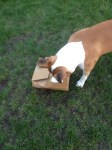
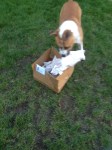
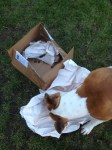
stiff cardboard, like a flap from a box
old tea towel
Training Mix
Beginner Level ideas:
remove the flap from a box and spread it out flat; sprinkle some food on it and then roll it up
Advanced Level ideas:
sprinkle a tea towel with food and roll it up
for an extra challenge, slightly dampen the towel, roll up with food and freeze
add some food to an eggbox and close over the lid, without fastening
add some food to a tub and place the lid on top, without pressing it down too hard
Advanced Level ideas:
add some food to an eggbox and close the lid – for an extra challenge wrap the eggbox in old wrapping paper
fill the tub with food and crumpled paper, close the lid tightly
Teasers
You will need:
muffin tin
cardboard tubes, tennis balls, disposable cups
tray, basket, box
Training Mix
Beginner Level ideas:
place a food reward in each gap of an eggbox or muffin tin; cover each treat with a tennis ball, toilet roll tube or disposable cup
Advanced Level ideas:
sprinkle food on the base of the tray/basket/box and then fill the entire container with cardboard tubes standing up – pack it tightly to really challenge your dog
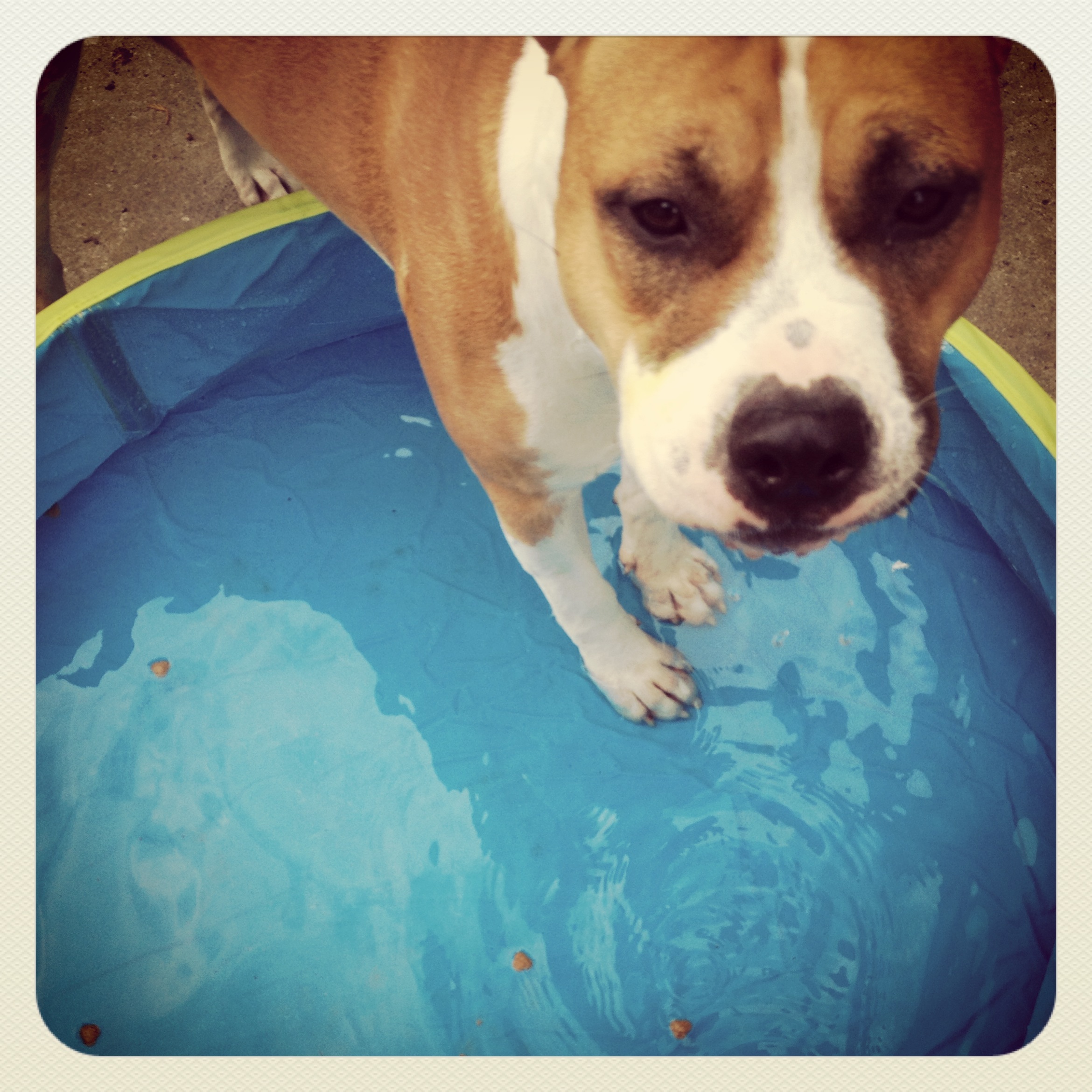
toss some food in a bowl of very shallow water when your dog is watching – to increase the challenge remove the dog from the room before submerging the food


















 AniEd Ireland