Was your dog able to achieve zen at level 1? Let’s try Level 2…
Today’s Games
Time Allowance: Practice for 1-2 minute sessions and then take a break. Have a few sessions today.
Try fitting each short session into your routine; for example, while you wait for the kettle to boil, during the ad break of your TV show or while you wait for the computer to start up.
Really do keep sessions short on these exercises! The self-control bank account depletes fast and your dog will need some time to recuperate so make sure to give them a good break too.
Family Participation: This exercise is for adults only!
Top Tip for Today’s Training Games: Notice that we don’t ask our dog to do anything here at all – no talking!
This is about self-control – we are working on a default here so you never need to ask for polite behaviour when you have things your dog wants – he just does it!
Remember, if your dog gets stuck with any of our exercises this week, think of ways that you can make it easier for him to succeed and then build again more gradually.
Now it’s really going to get tough as we move the food to the floor…
Zen Level 2
Practice a couple of rounds of Level 1 and then take your handful of food and place it on the floor – keep it covered!
place some food rewards on the floor
cover with your palm
when your dog moves away from your palm covering the food rewards, move your hand to the side
quickly re-cover the food if he approaches again
offer him one food reward if he can show any of the behaviours on his polite list
A zen-dog is a pleasure to live with because he has learned that good things come to dogs who wait.
The zen-dog doesn’t steal food or belongings, the zen-dog doesn’t snatch things out of hands, the zen-dog doesn’t jump up on people or counters to grab food or items, the zen-dog doesn’t steal from your plate, even when you leave it down within reach.
The zen-dog waits patiently, asks nicely and behaves politely to get the things he wants.
Would you like a zen-dog? You’re in the right place…
We are going to build on our NO mugging rule by teaching our dog, that to get the food in your hand, be patient and polite.
Today’s Games
Time Allowance: Practice for 1-2 minute sessions and then take a break. Have a few sessions today.
Try fitting each short session into your routine; for example, while you wait for the kettle to boil, during the ad break of your TV show or while you wait for the computer to start up.
Family Participation: This exercise is for adults only!
Top Tip for Today’s Training Games: Notice that we don’t ask our dog to do anything here at all – no talking!
This is about self-control – we are working on a default here so you never need to ask for polite behaviour when you have things your dog wants – he just does it!
Remember, if your dog gets stuck with any of our exercises this week, think of ways that you can make it easier for him to succeed and then build again more gradually.
Zen Level 1:
hold some food rewards in your palm
if your dog approaches your palm, close your fist
if your dog attempts to mouth or paw your fist withdraw your hand by bending at the elbow
when your dog stops, re-present your open palm
repeat as needed
as soon as you notice your dog chooses not to move toward the treat or showing any of the behaviours on his polite list, offer him the food
Start working on this exercise with just your dog’s regular food in your closed fist and as he improves increase the value of the food rewards.
It’s best to start with this exercise while sitting on a chair or sofa.
When it comes to food, especially high value food, dogs are pretty quick about hoovering up any morsel they can get to, so, the first rule of this week’s games will be that mugging = nothing but patience = yummies.
Your powers of observation are needed here again – this time you are looking out for polite behaviours to reward.
Polite-list behaviours that you might reward include:
four feet on the floor (no jumping up)
quiet (no barking or whining)
moving back from you
being still
standing away from you
Can you come up with a list of behaviours that tell you your dog is being patient and polite?
Today’s Games
Time Allowance: Practice for 1-2 minute sessions and then take a break. Have a few sessions today.
Try fitting each short session into your routine; for example, while you wait for the kettle to boil, during the ad break of your TV show or while you wait for the computer to start up.
Family Participation: For this exercise it’s best to get this really well established before allowing children participate in this one, just in case this excites and frustrates your dog a little at the start.
Top Tip for Today’s Training Games: If your dog gets stuck with any of our exercises this week, think of ways that you can make it easier for him to succeed and then build again more gradually.
Options to try might include:
having the food in or under a tighter hand
using lower value food
working when your dog is calmer and the house is quiet
practicing after your dog has been fed so he’s not as hungry
making sure there are no other dogs around
Beginner Level Game
Start standing up, holding a handful of yummy treats – you can have the treats in a treat pouch, in a bowl or any container you wish.
Make sure your dog notices the yummies and wait for him to approach.
Before your dog gets to you, toss a food reward just behind him.
He will approach again; repeat.
There’s no talking in this game – so don’t ask your dog to do a behaviour!
Not only does Benny the puppy offer polite distance but he also sits – dogs do what works, so if you reward it, they will do it!
We are easing your dog into this game by rewarding him where we want him to be – a little bit away from us so there’s no mugging!
After some practice at this game, try our advanced games next.
Advanced Level Game
Now that your dog has learned how to be a bit more polite when you are standing up with treats, we are going to increase the challenge little by little.
holding your treats, bend at the knee a little
as soon as your dog approaches, toss a treat away
repeat lots, bending a little lower each time if you can
Still no talking or asking your dog to do behaviours!
A greater challenge:
Your mission, should you choose to accept it, is to watch your dog and reward him every time he is being patient and polite.
When you begin with this game, just choose one polite behaviour at a time to reward.
When your dog is offering that one, choose a second polite behaviour and reward that, and so on.
Each time you see your dog offering one of these behaviours reward him with a teeny treat.
Holding your treats, kneel on the floor or sit on a low chair or stool.
Work through your list of polite behaviours, watching your dog closely.
Reward your dog where you want him to be so hold your reward right at his nose and guide his head away from you before releasing the reward.
Let’s start to use our dog’s calm-mat to help them be a little more under control in those exciting situations.
Teach your dog that when you get his lead out, it’s time to go to his mat and settle.
Time Allowance: Practice for 1 minute sessions at a time with plenty of down-time in between.
It’s best to try to work practice into your routine, such as while you wait for the kettle to boil, while you wait for the computer to start up or during the ad break of a TV show.
To make things easier at the start, practice after your dog has had his walk.
Family Participation:
Kids are often great dog trainers. Teach each child how to lure safely.
If your dog is mouthy, jumpy or likely to get over-excited it might be best for you to get the behaviours established and then bring in the kids to help with practice.
Always supervise child-dog interactions and make sure children learn to leave the dog alone when eating his rewards.
Stage 1
Make sure not to have any other clues that tell your dog it’s walkies time present; so no keys, jackets, boots and so on. It may even be a good idea to have no collar or harness on your dog at this stage.
Revise your matwork. Lay out your dog’s mat and wait for him to settle on it.
Reward him with five rewards on the mat and then release him.
Is your dog finding this too hard? If your dog can’t control their excitement and is finding it difficult to progress through the stages, make it a little easier so that he is successful.
Instead of holding his lead, start by teaching him that you simply moving toward his lead or reaching for his lead for his clue to check out his mat.
Doorbell Excitement
This very same exercise can be used to teach your dog to go to his calm-mat when the doorbell sounds or there is a knock.
Just start with Stage 1 at the easiest level for your dog. For example, have your dog far enough from the door that he doesn’t go completely nuts when he hears your assistant ring or knock.
It’s a great idea to record the sound of your doorbell or someone knocking so that you can control the volume.
Jumpy really wants his toy but has learned that by responding to cues he can get his reward…
Week 3 Patience Pays
Improved self-control can lead to a vast progress in lots and lots of training and behaviour exercises you’re working on.
In the dictionary, beside the definition for “self-control”
This week we will be working on teaching our dog that he just can’t have all the things he wants, when he wants them – but instead, teaching him a new rule, that patience pays.
What do I need for Week 3?
Training Mix
your dog’s favourite things (treats, toys, activities and so on)
a little bowl
leash, collar and so on for walkies
Week 3 Training Games
The First Rule of Week 3
Doggie Zen Level 1
Doggie Zen Level 2
Doggie Zen Level 3
Doggie Zen Level 4
Living the Doggie Zen Life
What’s my dog learning?
I am learning that good things come to those who wait!
I can control my frustration and can wait patiently
I learn that I can’t have everything I want when I want it!
I learn how to choose more appropriate behaviours rather than having to be told what to do.
I become better at settling myself and am much easier to live with.
By learning to tolerate frustration and delay of reward helps prevent me developing more serious behaviour issues.
We’re exchanging impatient and pushy for calm and polite!
You can download a more printer friendly, but abbreviated version of this week’s exercises here.
We are going to test your powers of observation with today’s plans and zoom in on calm and settle behaviour that we can teach.
What does your calm dog look like?
To shape calmness we will break down the image of your calm dog into little pieces and work on each piece at a time.
Soon you will be able to combine the pieces and have the full picture of a calm dog.
Start with your dog’s calm-mat and wait for your dog to lie on and settle on the mat. Reward as needed.
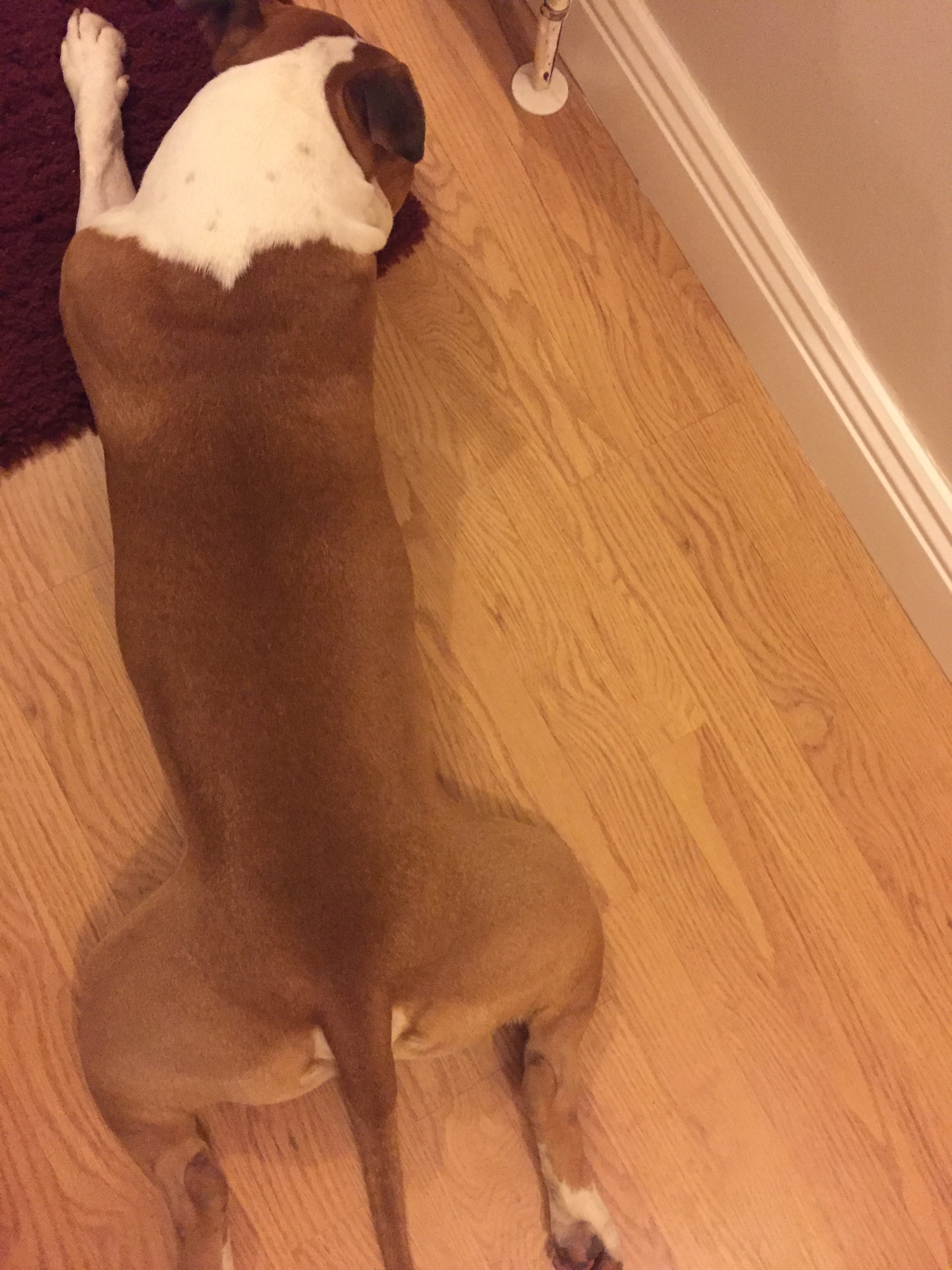
Watch your dog closely and note the sorts of behaviours you see when you capture calmness; these might be the ingredients in your calm-dog recipe:
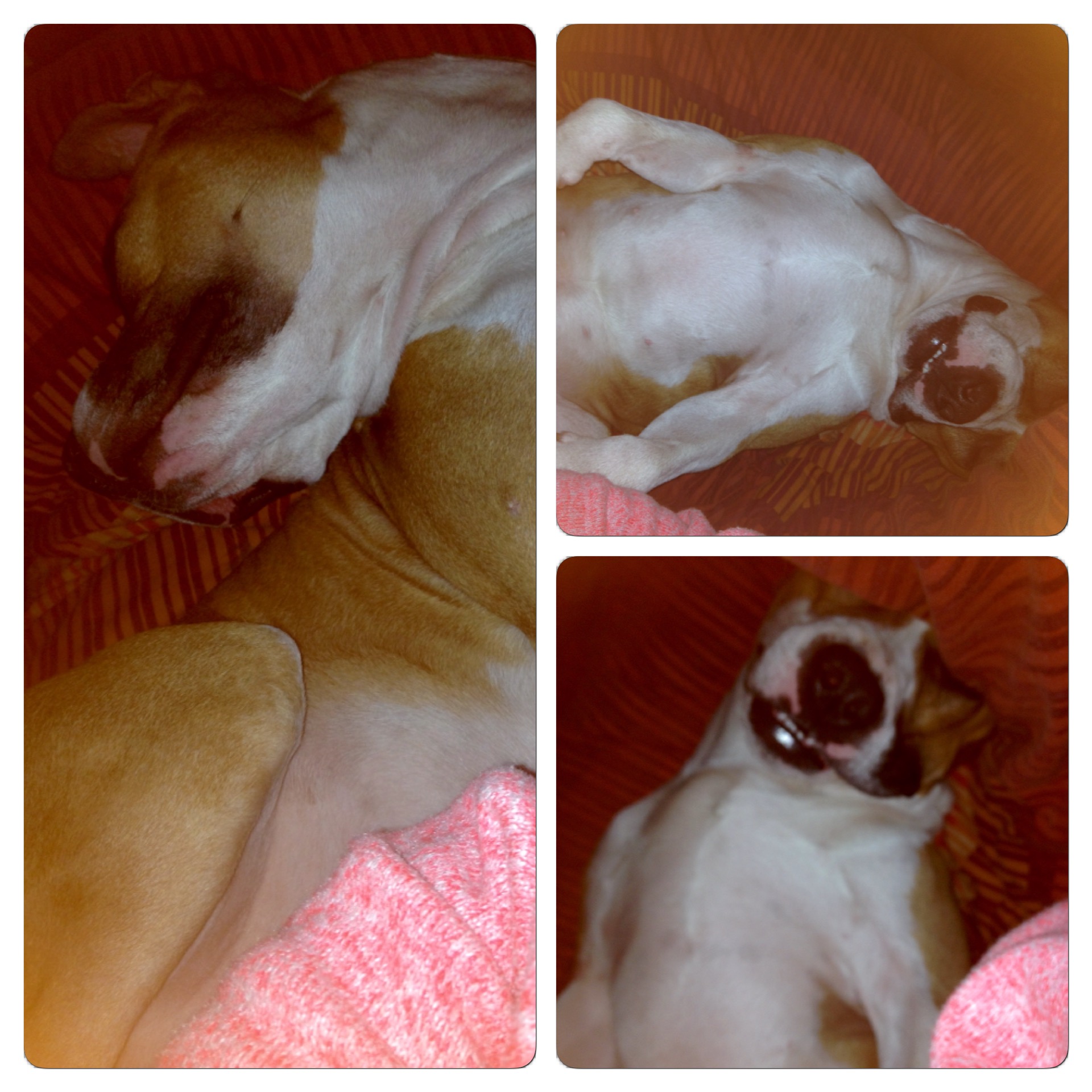
lying over on one hip, on his side or frog legs
head down, resting
breathing deeply
eyes not watching anything particular or closed
ears relaxed and not orienting toward anything
feet relaxed so nails pointing straight out, rather than curled over
tail still and lying
Can you zoom in any closer? What other ingredients can you spot?
Today’s Games
Time Allowance:
Practice for 3-4 minute sessions and then take a break. Have a couple of sessions today.
Try fitting each short session into your routine when the household is quiet, for example during the ad breaks of your TV show.
Family Participation:
Kids are often great dog trainers. Teach each child how to lure and deliver rewards safely.
If your dog is mouthy, jumpy or likely to get over-excited it might be best for you to get the behaviours established and then bring in the kids to help with practice.
Always supervise child-dog interactions and make sure children learn to leave the dog alone when eating his rewards.
Top Tip for Today’s Training Game:
Are you really getting into helping your dog self-calm and settle? Why not incorporate today’s exercises in to a more advanced program: Dr Overall’s Relaxation Protocol (an explanation here).
You will need:
Training Mix
your dog’s calm-mat
Beginners Level Game
Shaping calm on a mat
Wait for your dog to find his mat. For this exercise you are going to reward him on his mat throughout.
Reward him and wait for him to show some behaviour that is closer to one of the ingredients on your list.
Maybe he stops wagging his tail momentarily, maybe he relaxes his mouth a little, maybe he takes a deep breath – reward it.
The more observant you become the more you will see and reward so that your dog becomes better at becoming progressively calmer.
Your dog may drift off while you practice or you might like to end the session by sitting with your dog for a massage session.
Advanced Level Game
Deep breathing
Taking a deep breath is not only relaxing and relieving for us, but for our dogs too. If we feel a little overwhelmed we can consciously ask ourselves to breathe, to take a deep breath.
We can give our dogs this skill too by teaching them first to take a breath in, to deep breathe on cue and then teach him to take a deep breath in ever more exciting situations.
Settle your dog on his calm-mat and reward on his mat throughout practice.
hold a treat between your thumb and forefinger close to your face, away from your dog
slowly lower the treat toward your dog
watch your dog’s nose carefully – you are looking for a nostril flare, pinching at the side of his nose, closed mouth or keeping an eye on his chest to see it raise with inhalation
as soon as you see that, say YES! softly and immediately feed your dog the treat
Massage has benefits for both the giver and receiver including lowering blood pressure, improved immune response and blood circulation, and stress reduction.
Regularly, systematically and gently handling your dog all over allows you to become more familiar with him so that you will be able to spot any differences quickly and report them to your vet.
Things you might look out for include:
sensitivity to touch and handling
swelling or tension
changes in surface temperature
skin and coat health & condition
Try this game today and tomorrow when you are settling down, and all is calm. It may take quite a while or your dog may prefer very short massages – you won’t know until you get started!
Use your dog’s calm-mat for this and wait for him to lie on it in a settled position. You can reward him with one or two food rewards if you like.
Sit on the floor beside your dog for his massage.
Precautions
If your dog is experiencing inflammation, pain, infection, fracture, burns or wounds do not massage in or around those areas.
Pressure
It’s best to start with the least amount of pressure that will just move your dog’s hair. As you continue, assess how much your dog is enjoying their massage but only increase pressure incrementally.
For the most part, dogs don’t enjoy pressure on the top of their head but may enjoy slightly more pressure along their back.
Less is more and it’s best to keep massage pressure gentle.
Relaxing Body Massage
To start, using the flat of your palm, gently and slowly sweep your hand from the top of your dog’s neck all the way down to the base of his tail.
Repeat this movement over and over, once your dog is comfortable for you to continue.
As your dog settles into his massage, still using your flat palm in slow circular motions, massage over your dog’s entire body.
Really focus on what you are feeling as you handle your dog’s body and take deep breaths. Not only will this relax you, but this mindful approach will help to calm your dog.
Massage down your dog’s body, from head to tail, with flat palms and then bring your hands back up their body.
Use your fingers to crawl up through your dog’s hair and move your thumb along behind them. This will provide slightly firmer pressure, moving their coat and their skin slightly against the grain.
Ear Slides
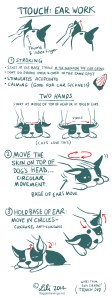
This is a favourite T-touch technique for many dogs and their humans alike. As your dog relaxes more and more from his relaxing body massage, start some gentle ear slides.
With your thumb and finger on either side of his ear leather, slowly move them from the base of the ear to the tip using gentle pressure. Repeat over and over, as long as your dog is comfortable with this move.
How comfortable is your dog?
To us, the sound of a massage is lovely but we generally consent to have someone else massage us.
If we didn’t know a person, if a person had never massaged us before and if a person didn’t ask us if they could massage us we would likely find that highly uncomfortable. Your dog may experience this too.
Don’t assume, just because you enjoy massages and you enjoy massaging your dog, that he feels the same way.
Doggie discomfort:
A great tool to use here is to film your dog while you massage or handle his body for about 30 seconds (or as long as you feel he is comfortable).
Review the clip or watch your dog closely and look out for some of the following signs of doggie discomfort:
stiffness – your dog is still with some tension
chin raised and still, particularly if you are handling his head
your dog or any part of his body is frozen, with wide staring eyes
whale eye – half moon shape whites of one or both eyes visible
turning away from you
trying to move a body part away
trying to avoid your touch
flinching when you touch an area
licking at your hand or an area you are handling
mouthing your hand
staring at you or your hand
eyes fixed
whiskers forward or moving forward
tightening of the lips
lifting of the lips
wrinkling to the top of the nose
growling
snapping, snarling or biting
If you see any of these signals or any others that you believe indicate your dog might be uncomfortable, stop massaging immediately and try to distract your dog by tossing a food reward or toy for your dog.
Move away and give your dog a break.
Helping boost your dog’s comfort
If you saw that your dog was uncomfortable during massage, take a note of the areas that you were handling when he showed discomfort – hot zones.
Your dog might need a little help to learn to love having these areas handled. Beyond massage, being comfortable with being handled is important for all dogs, who will at some stage, require relatively invasive handling at the vets or groomers.
Play Touch 4 Treat
It’s good that you have identified your dog’s discomfort…now let’s help your dog feel more comfortable with handling and massage.
Don’t practice this on your dog’s calm-mat – put that away and out of sight for now, until your dog is more comfortable.
The key to this game is to teach your dog that each time you touch a hot zone, that makes an unbelievably amazing treat appear.
make a list of your dog’s hot zones
concentrate on one at a time
choose the area closest to your dog’s hot zone that he is comfortable with handling – start there
touch that area, and immediately feed a treat to your dog – it doesn’t matter what he does, just make that treat appear
stop if your dog shows any of those signs of discomfort and move further away
if your dog is happy repeat about a five-count after your dog has finished eating his treat
repeat in sets of ten and then take a break
Chilled out!
Well done for getting through today, even though it really wasn’t like work!
Parking is a great tool that can be used in lots of situations. This clip from Learning About Dogs shows some of the applications of parking:
We are going to use parking with our dog’s calm-mat to help with calming and managing your dog’s behaviour in potentially exciting situations.
Today’s Games
Time Allowance:
Practice for 1-2 minute sessions and then take a break. Have a few sessions today.
Try fitting each short session into your routine; for example, while you wait for the kettle to boil, during the ad break of your TV show or while you wait for the computer to start up.
You might settle your dog for a long period too – and that’s great!
Family Participation:
It’s better for adults to practice today’s games as it is not safe for children to stand on the lead to restrain a dog.
Top Tip for Today’s Training Game:
Use the Jazz up/Settle down game to give your dog the opportunity for a little crazy before you expect your dog to settle down while you are busy or occupied.
You will need:
Training Mix
your dog’s calm-mat
leash, collar/harness
Kong toys – stuffed or lined
Beginner Level Games:
Park your pup:
have your dog on a lead attached to a flat collar or harness
give your dog a chew or lined Kong toy to work on (if it’s too exciting and your dog can’t settle first, hold his collar or harness with one hand)
hold the lead with one hand and allow the slack of the lead to pool on the floor
stand on the lead at the point where it is taut to your hand, but there is slack to your dog
Use your dog’s calm-mat for this one and practice in different rooms of the house.
Advanced Level Games
Park your Pup, on the road:
For your walkies, bring your mat and a frozen lined Kong toy. About halfway through, lay out your dog’s mat and see if he can lie on it.
Don’t worry if he’s not ready for that just yet!
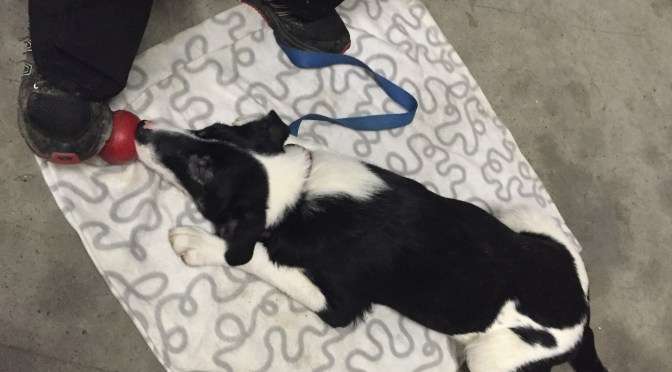
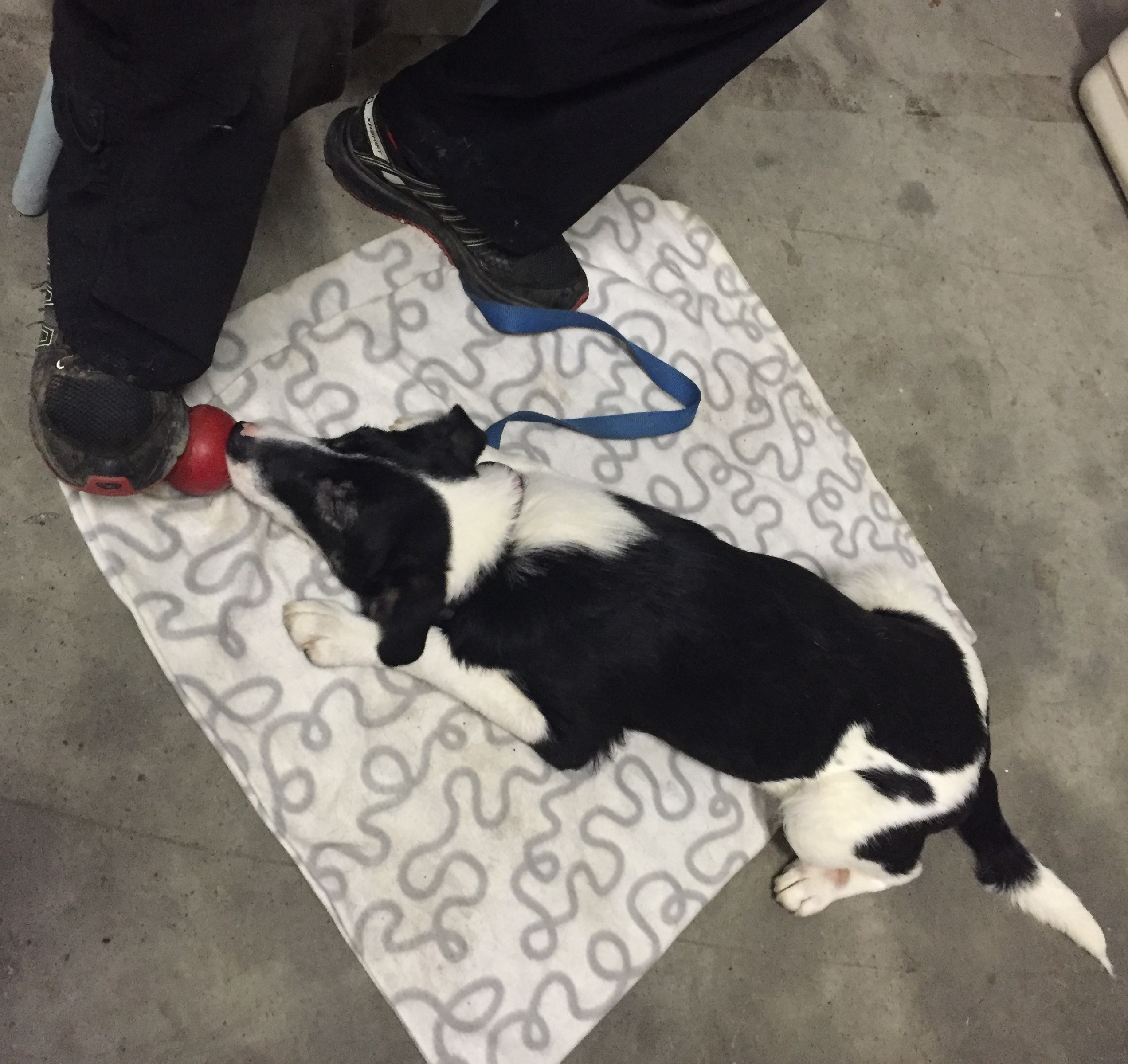
Hold the Kong toy under one foot on your dog’s mat. Park your Pup with your other foot and allow your dog to work on their yummy treat.
This lapping action, taking some time and encouraging your dog to settle will help your dog to flip his off switch, even on an exciting adventure.
Maybe your dog can only work on their Kong for a few seconds or maybe he finds it difficult to be too interested in it at all – these are really likely at the start of your training program. So don’t worry too much – there are things we can do:
practice this in a really quiet spot
allow your dog to check the area out first and sniff every inch
use the absolute most amazingly yummy filling to line the Kong
practice toward the end of your walk, closer to home – if at the start this works best when you get back to your front door, or even inside the house that’s ok and is your starting point – work backwards from there
You can play this game at home too!
Try this game with your calm-mat to really test your training:
Jazz Up & Settle Down
This game teaches your dog to better control his excitement and allows him to practice bring himself down from that high. We are basically helping your dog install that ‘off’ switch.
using a toy, a game and an excited tone of voice get your dog all jazzed up – remember to use your cue for getting a game going
jazz up for a five count
immediately stop and lay out your dog’s mat
if he doesn’t lie on it, you may need to remind him by cueing or luring
you can use food rewards at the start of this game – reward your dog with one food reward after another
settle down for a ten count
get your dog all jazzed up again and repeat
As your dog improves with this exercise you should see him settle quicker – now you can begin to increase the length of each jazz up and each settle down period.
Always make sure that your dog is settled for at least twice as long as they are jazzed up.
Start and end each game with a settle down; having a longer settle down at the end.
So you’ve seen how much your dog wants to, needs to and enjoys working for his food with last week’s games – think of all the behaviours he has had to carry out to earn his keep…
Just like people, dogs don’t work for free and if we want them to do behaviours for us, we gotta make it worth their while.
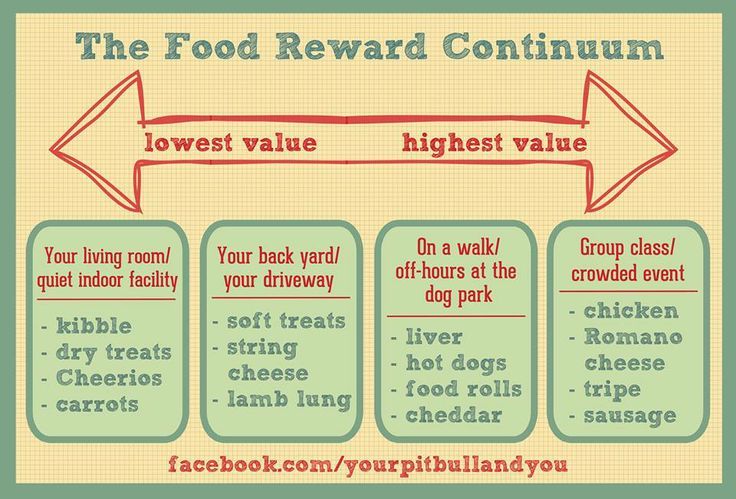
Because some behaviours can be trickier than others, the rate we pay will also need to vary appropriately.
Jean Donaldson discusses motivation in dog training in this clip.
Lower value rewards work best for easier behaviours and higher value rewards work best for harder behaviours.
Is it just about food rewards?
Nope, it’s about motivation!
We want our dogs to want to carry out the behaviours we want them to do – to achieve that we need to work out what motivates them, and then teach them how to get those things.
By teaching our dog to be a good human-trainer, they will learn to carry out behaviours that cause us to release motivators.
Dogs do what works!
Food rewards are handy because…
your dog has to eat – that’s why teaching your dog to work for his regular food is so valuable
animals will readily carry out behaviour that earns them food – all animals are biologically motivated by food (if a dog isn’t eating there may be something else going on…)
food rewards that are small enough are quick rewards allowing you to practice another repetition quickly – this allows dogs to learn most effectively
anticipation of food rewards causes the release of pleasant feelings in the brain
seeking out food is incompatible with feelings of fear, anxiety or panic
Following our program will help you to use food rewards in training most effectively.
Beyond food rewards
Motivators come in all shapes and sizes, and are often individual to each dog and sometimes to breeds or types of dog.
Anything your dog likes access to or likes to escape from can reward their behaviour.
Out of these things, ones that you can control are most useful in training.
Make a list of the things that your dog likes.
This might include certain foods, toys, activities, praise & attention, other individuals or places such as:
eating
playing
tugging
fetching
sniffing
swimming
splashing
rolling
meeting
greeting
humping
barking
chasing
Grade the value of the rewards in your list. This way you will have a better idea of higher or lower value rewards that your dog will work for.
It’s often best to use the lowest value rewards that your dog will work for in a given scenario – keep your big guns for when the going really gets tough!
Think of rewarding your dog as a quid-pro-quo deal – “you do this behaviour for me, and I will give you access to the things you like!”
Distractions
I am sure you have noticed that sometimes your dog isn’t interested in the things you have to offer…distractions will compete for your dog’s behaviour, making training harder.
Distractions might include:
eating
playing
tugging
fetching
sniffing
swimming
splashing
rolling
meeting
greeting
humping
barking
chasing
Notice the similarities…?
Distractions are just rewards that your dog wants more than whatever you have to offer, right now.
Make another list:
what is your dog distracted by?
what would your dog rather be doing when you would like him to do something else?
Just as you did with your rewards list, grade these distractions – just how distracting are they?
Now you have lists that allow you to balance rewards and distractions. Something high on the distraction end of the list will require rewards high on the rewarding end too!
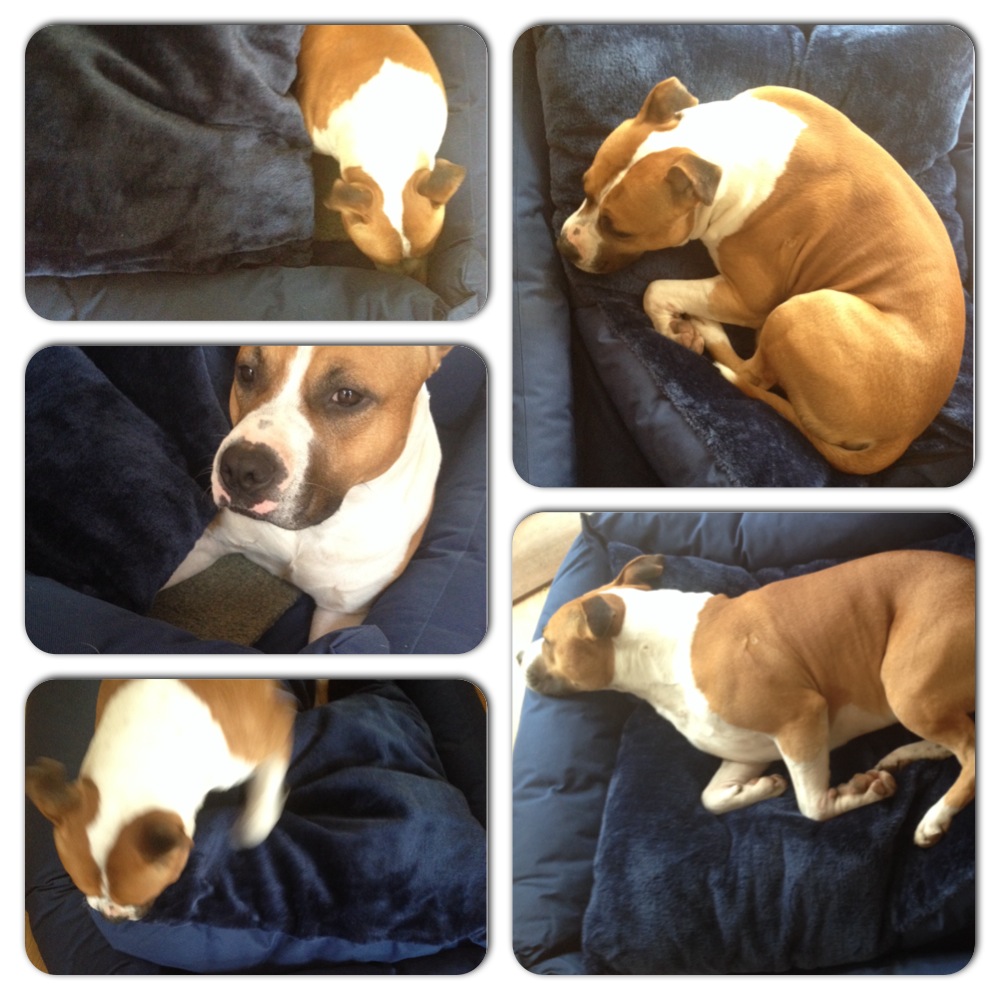
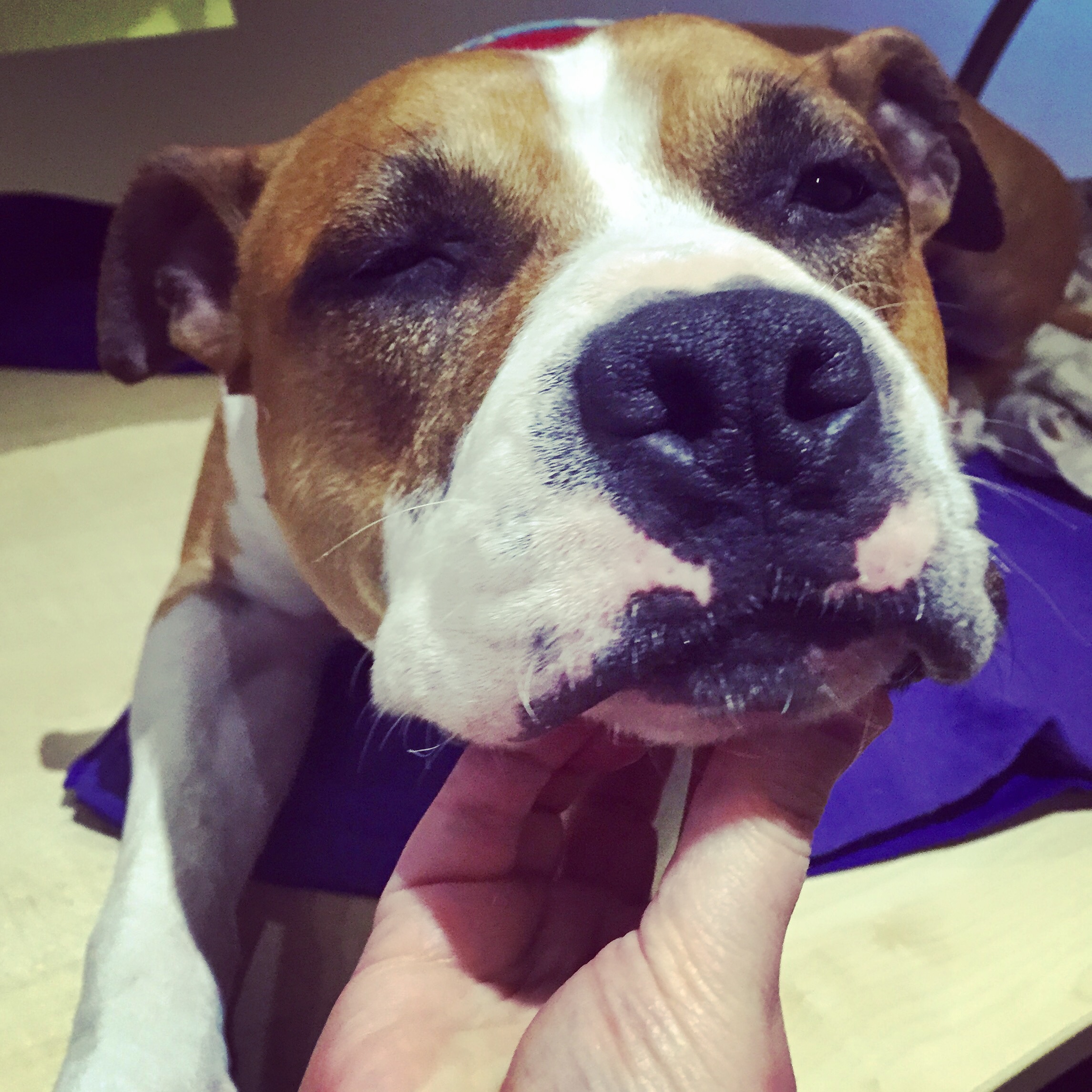
Your dog’s on switch isn’t on all the time – sometimes your dog is calm and sometimes he is not.
But most dogs will swing between extremes: the crazy to calm continuum.
Observe your dog on a normal day and try to pin point when he is at his calmest. What does that dog look like?
Now, think of him when he is at his craziest – what does that dog look like?
You might see your dog go up and down this scale over each and every day. For the most part, the closer his behaviour resembles the calmer end, the more acceptable his behaviour (to humans) will be – the easier he is to live with.
Today’s Games
Time Allowance:
This is an all day game – instead of individual sessions, when you think of it, watch your dog and catch him doing the right thing!
Family Participation:
Fun for all the family – kids might like to help out and be detectives for this game!
Always supervise child-dog interactions and make sure children learn to leave the dog alone while he works on his puzzle.
Top Training Tip for Today’s Training Game:
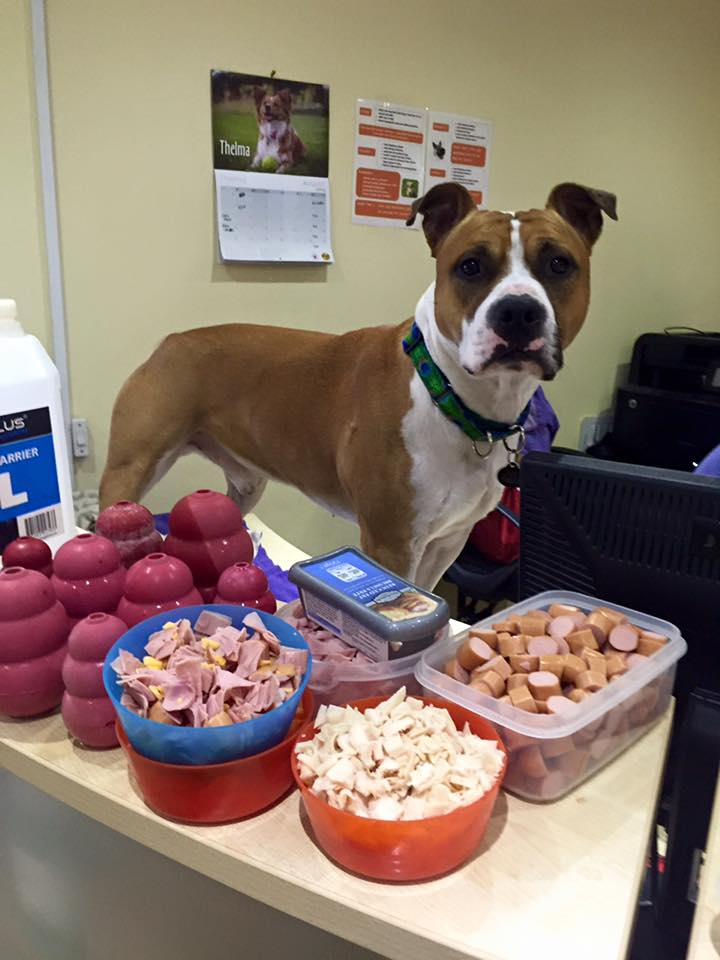
All you need is Training Mix today. Distribute little pots of your dog’s regular food around the house so that everyone in the family can participate and reward your dog as soon as they spot him being calm.
But, make sure to keep this food well out of his reach!
Catch your dog doing the right (relaxed) thing!
Today you will work on simply observing your dog and assessing how calm and polite he is.
Capturing means to catch the dog doing the behaviour we want and rewarding him – think of it like taking a photograph of what we want.
If you spot your dog being calm at any (and every) time today, approach him quietly without eye contact, praise him calmly and softly and feed him a couple of food rewards. Use pretty boring food rewards for this one to avoid getting him all excited.
The first few times you do this, your dog will probably follow you, nag you, want to get into training mode and play the game again.
Calmly and quietly ignore his protests – turn away from him, busy yourself, don’t give eye contact or talk to him, maybe stroke him a couple of times with long massage-like strokes down his back and then break away. And wait…
Wait for your dog to calm a little again and reward.
If your dog wants something like attention, or to go through a door, or his dinner, take a look at how calm he is. Wait for him to calm and reward him access to the things he wants.
Again, you may need to wait a bit…
Don’t ask your dog to calm down or offer polite behaviours – this is about him developing self-control – he needs to do it for himself. Just wait…
Doggie see, doggie do
Not only is your dog’s calmer behaviour important here, so is yours.
If you shout, force, or get excited your dog will find it more difficult to calm down so move slowly, don’t move your arms about, talk calmly, take deep breaths and sigh – all of this will help your dog to chill too (and it helps you to calm as well!).



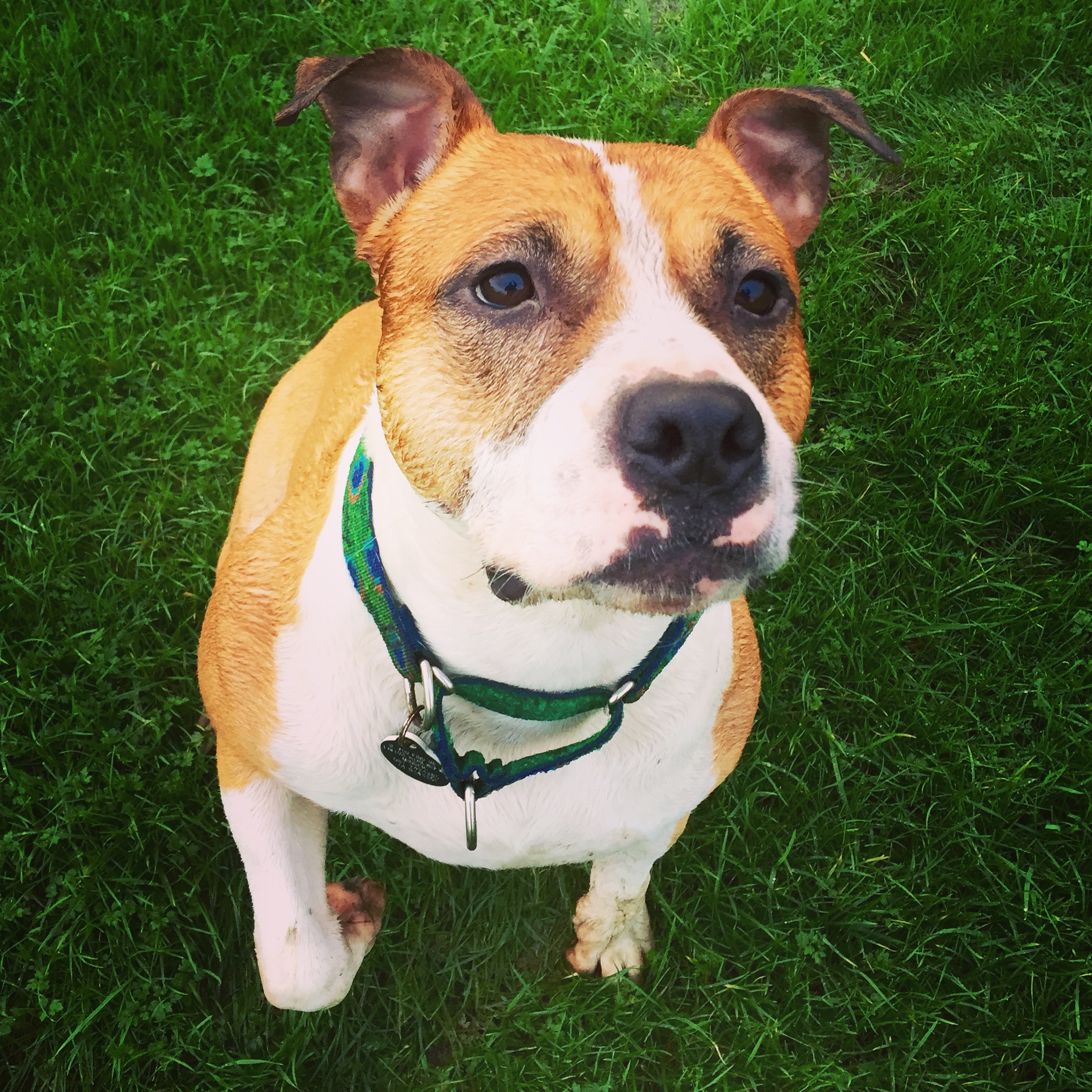

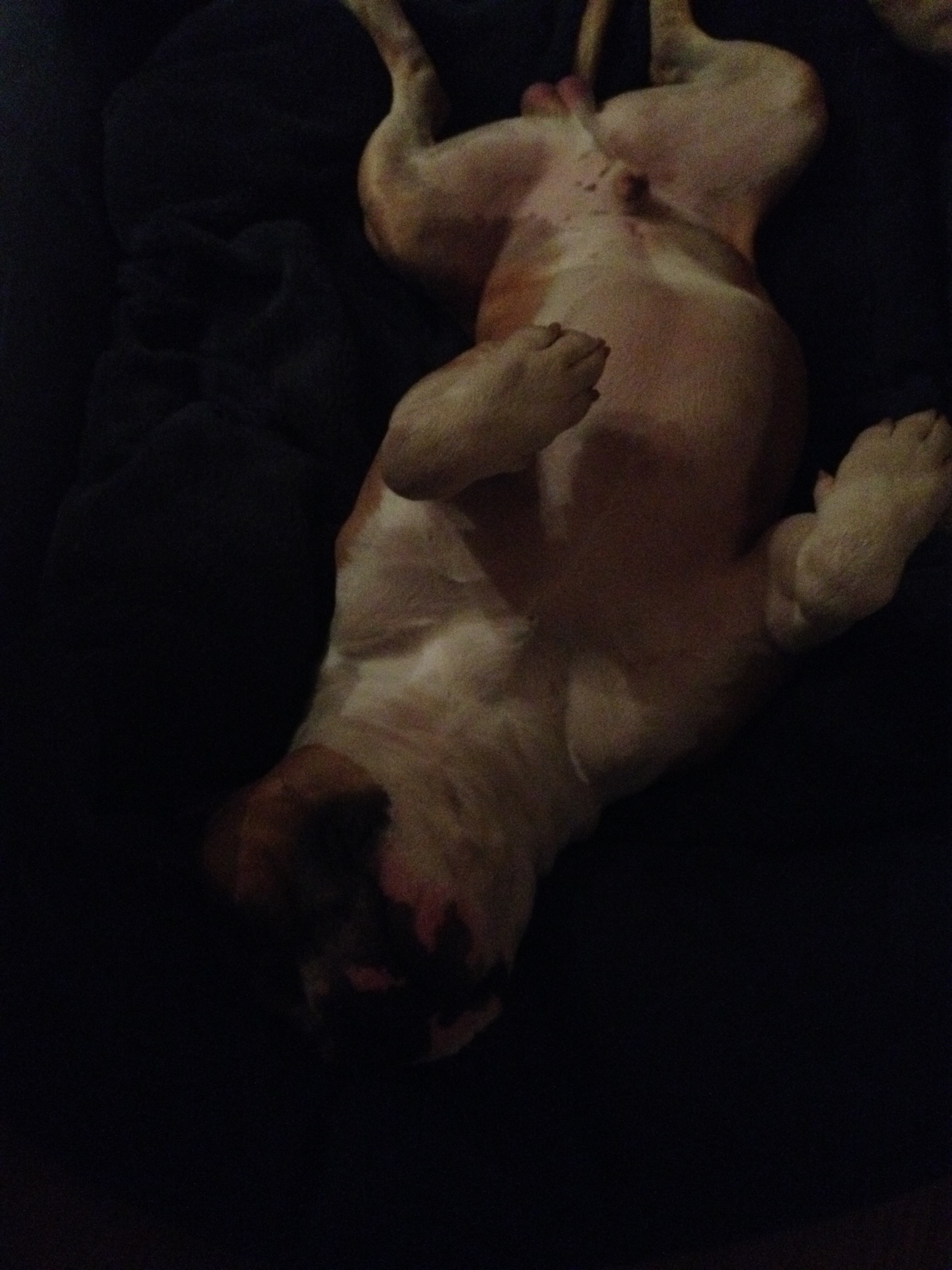







 Your dog’s on switch isn’t on all the time – sometimes your dog is calm and sometimes he is not.


 AniEd Ireland