Fireworks fear among dogs is pretty normalised but that shouldn’t mean we are helpless to do anything about it!
Even though we have next to no time before fright night, by planning, being proactive and preparing now we might be able to help our pets experience less distress.
In my Facebook memories yesterday, for the 10th October last year, I was reminded of my honouring dogs and specifically my dog in supporting my mental health. (The post is shared here.)
By just being his nutty self; his existence provides so much, from worry to joy, from puzzlement to laughter. A lot of laughter. My dog doesn’t have to do any thing more, fulfil any other expectations; just show up, just be, just exist.
And I am extra appreciative of him and all that he brings during all this pandemic business; such a challenging time for our mental health, on many levels. I rely on his mere existence so much, particularly right now; what an awful lot of pressure on an individual who really has no control over what happens to him. I must make sure he never feels that pressure and gets to live his very best dog life. That’s the deal.
At the same time, I recognise that for many people, their mental health can suffer because of their dog’s existence. I work with a lot of people whose dog’s behaviour, and all the implications of it, are having serious repercussions for their mental health.
Are dogs really good for us?
Social media particularly, has glorified dogs to often unhealthy Disney levels. Dogs, or “doggos”, are presented as some sort of angels on earth, have “furmoms” and are “furkids”, want to be petted by all, and be “good bois”. Dogs are touted as being the only creature to love us, more than themselves.
And while calling pet owners or dogs whatever the internet likes probably doesn’t harm anyone, the attitude that this approach exploits may well be damaging.
I mean, how are dogs, real dogs, supposed to live up to any of that? Our attitude to dogs is so often inappropriate. It’s no wonder we presume that they are good for us, that ownership provides overwhelming benefits.
Sharing the reality of human-dog relationships wouldn’t make one very popular, especially online (eek!) so research and resources revealing the real complexities are not shared with such virality.
When dogs behave as real dogs should be expected to, there’s only one way down from that pedestal upon which we have placed them. Then they are vilified, abandoned, legislated against. Dogs can’t win.
Look out, bubble bursting ahead.
The problem isn’t just with distribution. When research is published showing benefits to human-dog interactions, these generally illustrate correlation. We just don’t know or understand the mechanisms by which dogs may provide the studied benefits.
I’m not sure I can even describe exactly what Decker does that gives me so much, although I know it’s just him, his being. (Not a very scientific conclusion at all!)
Maybe healthier people are more likely to have pets so it might appear that pet owning confers more health benefits, or maybe we can control for that in research, as suggested by Headey & Grabka, 2007.
When we look at the publications on these complex topics, the overall results are mixed, at best. You read one study demonstrating some benefit and just as easily, will find one revealing neutral or disadvantageous effects. I bet you can guess which one is shared and liked ad nauseum?!
For example:
pet ownership may provide benefits in encouraging community interactions among people (Wood et al, 2007), but this may be dependent on the type of dog (Wells, 2004)
Allen et al, 2001, demonstrated that having a friendly dog present may help with stress reduction (better than blood pressure lowering medications), while Grossberg et al, 1988, showed no beneficial effects to having a dog present.
Brown & Rhodes (2006) showed that dog owners engaged in moderate activity almost twice as much as non-dog owners contributing to health benefits while Yabroff et al (2008) showed that owning a dog increased engagement in moderate activity by only 18 minutes a week, when compared to non-dog owners.
The samples studied may also mislead results and interpretations. (Carr et 2019). Miles et al, 2017, showed that once controlled for confounding factors, there were really no statistically significant benefits demonstrated.
For example:
Mubanga et al, 2017, 2019, show improved survival after cardiovascular events in dog ownership but that these protective benefits are associated with pedigree dog ownership, rather than mix breeds. This correlation is not clear; perhaps people purchasing a specific pedigree dog have done so to participate in some activity that contributes to improved health.
While Covert et al, 1985, suggests that children with dogs are more socially confident, it could also be that confident children are more likely to get a dog.
The body of research looking at the benefits of pet ownership is just not clear cut, with some insisting that the idea that pets are good for us (the so-called “pet effect”), which has become a media, cultural and marketing constant, is largely an unsubstantiated hypothesis.
The Whitehall Cohort study (Mein & Grant 2018) covers a large sample over time and really doesn’t indicate any great benefits to pet ownership.
Even when positive improvements where shown, such as dog owners taking more exercise, no significant improvements in health outcomes, such as weight or blood pressure, were demonstrated.
The researchers concluded that there were no significant differences between pet owners and non-pet owners on various health variables including quality of life, mental health, physical health and depression.
What about human mental health?
Interest in the effects of pets on health has become more and more popular over the last couple of decades and there has been some research specifically examining how pets may or may not benefit our mental health.
Although not a review, Herzog reflects on 30 pieces of research that have examined pets and human depression. You can read that here.
He concludes that most research doesn’t demonstrate benefits to owning a pet in susceptibility to depression, but that for some groups of people, there may be benefits.
Further, Batty & Bell, 2018, showed that while there are identifiable risk factors, such as mental health, in suicide cases, owning a pet doesn’t seem to provide benefits in its prevention. Indeed, there is a lot of discussion in this industry about the rates of suicide among animal care workers and vets, most of whom will own pets.
Are we good for dogs?
Here’s the thing, in all this interest in pets’ effects on our health, there is very little research asking, specifically, if we are good for dogs.
Looking across the contexts in which we ‘use’ dogs, from working to assistance dogs, from sports to therapy dogs, there is very little work that looks at the experiences from the dogs’ point of view, truly examining their welfare.
And even less focusing on companion dogs.
Modern companion dogs experience many challenges to their welfare including long periods of social isolation, living in under-enriched environments, decreased access to behavioural outlets, obesity, extreme conformations, genetic disease and more.
While there are evolutionary benefits to dogs becoming a companion dog, such as access to food and shelter, the modern companion dog faces an awful lot of disadvantages for hanging out with humans.
And we have selected for them to be totally reliant on us, while at the same time not providing them with choice and enrichment suitable to their welfare. We have made an animal that takes our crap, and loves us for it.
Love isn’t enough
We all love dogs; that’s why we’re here. But accounting for their welfare will require more than love.
Love alone doesn’t keep dogs in homes. Patronek & Rowan, 1995, devised a model to calculate the numbers of dogs in the US; they concluded that there may be about 4m dogs living in shelters. Here, there are likely many hundreds, if not thousands of dogs living in shelters and similar environments.
Merely keeping dogs alive because they might comfort or entertain us, isn’t good enough. Dogs have needs, regardless of our beliefs or wants.
What about their mental health?
Recognition of human mental health is increasing and improving. This is a good thing but we still have a long way to go.
This raised awareness benefits dogs too; more and more people are recognising the need to cater for their dogs’ behavioural and emotional health. Also a good thing, and also a very long way to go.
Presuming that dogs are happy because they live with humans, and benefit humans, is terribly short-sighted and anthropocentric.
We have tendencies toward interpreting their behaviour as we do that of humans (Kujala et al, 2012), and this leads to misinterpreting their needs and their welfare requirements.
We might even have difficulty assessing our dogs’ comfort in contexts where we accept they might feel uncomfortable, such as at the vets (Mariti et al, 2015) and in situations that may present safety concerns, such as in interactions with children. (Demirbas et al, 2016)
We are truly lucky that dogs are so adaptable and pretty inhibited when it comes to aggressive responding toward humans.
Luck isn’t enough either.
Lockdown, loneliness and pets
Since March, here and apparently in the US and the UK, there has been a surge in applications to foster and adopt dogs, and in the numbers of puppies and new dogs purchased.
There is a widely held belief that pet ownership helps to combat loneliness; this is very much part of that perceived ‘pet effect’ already discussed as a marketing and social media staple. (HABRI 2019) (Staats et al, 2008)
Do pets help reduce loneliness?
Again, despite widely held beliefs, the literature doesn’t really offer such strong recommendations for pet ownership in combatting loneliness.
For example, Gilbey & Kawtar, 2015, reviewed thirteen works showing that pet ownership didn’t convincingly alleviate loneliness. They concluded that more modern research of better quality couldn’t demonstrate a reduction in loneliness associated with pet ownership.
One study has even shown that pet ownership may be a predictor of loneliness, especially in older women. Feeling lonely might cause a person to get a dog, but not actually reduce their feelings of loneliness. (Pikhartova, Bowling & Victor, 2014)
Most works, again, present mixed results. Powell et al, 2014, found that controlling for group differences reduced the benefits to mental health associated with adopting a dog.
Owning a dog may reduce loneliness for women living alone and appears to enhance the attachment relationship for the human. (Zasloff & Kidd, 1994) but again, there may be confounding factors, such as feelings of improved safety or security.
Indeed, spending a lot of time with a pet, may be socially isolating for many.
Pets and the Pandemic
Given the unusual and real-time effects that lockdown and COVID-19 present, there has been a lot of interest from researchers and lots of surveys have been distributed for analysis. We can look forward to a lot of masters candidates papers in the coming months…
With widespread lockdowns being mandated in jurisdictions all over, our mental health is extra vulnerable. Women’s mental health seems to be particularly badly hit. (Ozdin & Ozdin, 2020)
Combatting these mental health challenges is thought to be behind this motivation to get a new dog.
What’s interesting here is that there is a positive correlation between mindfulness and mental health. (Soysa & Wilcomb, 2013) (Schutte & Malouf, 2018) And pets may encourage pet owners to engage in mindfulness; play, interactions, exercise with their pets providing a positive focus keeping us in the now and connecting us with Nature. (Garcia, B. S. (2020). A dogs impact: People’s lived experience of the role of dog companionship on their wellbeing and sense of purpose. Unpublished Graduate Diploma dissertation]. Monash University.) (Jackson-Grossblat et al, 2016)
Specific to the effects of pandemic related lockdowns, Olivia & Johnston, 2020, showed some interesting results. Although this work did not demonstrate interactions with dogs lowering loneliness scores, having a dog, and practicing mindfulness may contribute to buffering the effects of some aspects of loneliness.
Owning a dog has certainly been encouraging more people to get out walking. This has been very evident during lockdown and sometimes, causing great difficulty for those who own more sensitive dogs. This may also contribute to the mental health of some owners and the behavioural and emotional health of some dogs deteriorating.
Certainly, helping people develop better dog walking etiquette, managing their dog’s behaviour and understanding the comfort of their own dog and others’ dogs has been revealed as important as it certainly looks like rolling lockdowns will be part of our future.
Further unrealistic expectations, and unsuitable environmental conditions, may be affecting the welfare of companion dogs in these contexts.
Expectations & Presumptions
You can see how easily we develop, or are made to develop, these unrealistic expectations of dogs. When dogs don’t live up to these human expectations, their welfare is in peril.
Salman et al, 2000, showed that dog behaviour was the main reason for dogs to become unwanted. Normal dog behaviour, not living up to our unrealistic expectations.
We presume that dogs will help us better deal with the challenges and struggles so salient right now, and we so want to believe that getting a dog will benefit us.
But, perhaps, instead of presuming that a dog will bring all these benefits to our lives, let’s start to ask what WE can offer a dog.
How can we better provide for their welfare? What do we need to do? What can we realistically provide now, and in the future, that’s appropriate to the dog we choose?
I’ve said it many times that most dogs have really benefitted from the changes, in their humans’ lives, relating to lockdown. Suddenly, their humans are home a lot more, the dog is getting out a whole lot more, few visitors coming to the home and dogs are getting a whole lot more distance from strangers. This is a big win for dogs.
What’s going to happen as their humans start to go back to the real world and their real lives?
We won’t be on lockdown forever and even when people are working from home, they are still working.
Basing the decision to get a dog on our expectations of a new dog and presumptions of how they may benefit us, may not contribute to the mental health of pet owners and the behavioural and emotional health of dogs long term.
ETA: A timely addition to the conversation from Hal Herzog on Psychology Today looking at whether pets are improving our mental health during the pandemic.
As we’ve discussed at length, the results are mixed with some beneficial effects, but very small measures.
Our mental health
Dogs are the most awesome creatures. Even though they aren’t magic, don’t really save people from burning buildings, and probably don’t love us more than themselves, dogs are brilliant and uninhibited, and silly and serious. They don’t have to have some intrinsic value or provide all sorts of benefits to me, to be amazing.
Regardless of all this who-truly-benefits-whom malarky, our mental health, as dog owners, is inextricably linked with that of our pets, and vice versa.
And does it really matter to you, what the literature says. How does your pet help you and how do you help them? That’s what really matters, right?!
It’s ok to feel overwhelmed by your dog’s behaviour, at not knowing what to do, at worrying that you are not doing enough. Especially against a backdrop of a global pandemic, economic crises, health scares and everything else.
While we are talking about mental health, let’s concentrate on making sure that we are looking after ourselves, and one another when we can, and our pets, who rely on us, without question or choice. That’s a lot.
We might find joy and relief in truly providing for our dog’s behavioural and emotional health; that certainly helps me. But I recognise that won’t be the same for all. I have access to resources and skills that mean I am better able to manage and provide for my dog’s behaviour. This just isn’t available to every pet owner on tap.
Having to seek help, having to even think about it, may be anxiety inducing and feeling unable to adequately resolve issues can be crippling. That’s ok.
It’s ok to breathe and admit that sometimes or a lot of times, your dog’s behaviour causes you concern, anxiety, panic. It’s ok to not know what to do about it. It’s ok to feel conflicted about your dog; that you love them but might not like them. It’s ok to admit that you may have done or be doing all that you can realistically do, and still feel like that’s not enough. It’s ok.
#100daysofenrichment is free and requires very little further spending and minimal effort on each day. Doing small bits of this program, or diving in when you are up to it, will greatly help in improving your dog’s behavioural and emotional health.
#100daysofenrichment program has some mindfulness, with your dog, emphasis and this may be particularly beneficial. (Shearer et al, 2016)
Working through the program may help in having a positive focus and structured plan and the accompanying Facebook group is a lovely supportive place.
We encourage you to seek help as early as you can, for yourself, for your dog. We are here to support you as best we can. Seek help. It’s ok.
Today is #WorldVegetarianDay and unlike cats, dogs can survive on a plant based diet, but will generally prefer meat based foods.
Although vegetarian and vegan diets are becoming more popular, we have very little work demonstrating the efficacy and safety of feeding dogs this way, and a number of works have shown there to be a range of nutritional inadequacies and labelling discrepancies among commercial vegetarian and vegan diets. (E.g. Kanakubo, et al, 2015, 2017, Knight & Leitsberger, 2016, Zafalon et al, 2020)
There are lots of ways to add more plant based foods into your dog’s existing diet.
While the adding of vegetables and fruits is often recommended, how bioavailable the nutrition is to dogs will depend on how the foods have been handled, whether they have been cooked, frozen or served raw and the type of fruit or vegetable.
But, offering different food stuffs can be an enriching experience for dogs.
Add some plant based foods to supplement your dog’s diet, such as:
cooked potatoes, sweet potatoes (always served cooked and never raw)
gently cooked vegetables like squashes, spinach, kale, cauliflower, broccoli, carrots, sweetcorn (never let them have the cob)
raw veg, that’s been frozen, can make great treats for many dogs; favourites include frozen carrots and broccoli, and frozen peas make great training treats and excellent for sniffing and treat dashes.
You can bump up the value of frozen veg by lightly dipping it in meat juiced (fat skimmed), shake it off and freeze it for a tasty and crunch treat.
fruits like apples, banana, mango, melon or berries Remove the seeds. Mashed banana can make a great stuffable liner. And taking out the middle of apples turns them into stuffable toys that can be lined and stuffed with all sorts of goodies!
and, in smaller amounts, especially if your dog is already eating a commercial extruded (kibble) diet, you can add breakfast cereals (wholegrain, low sugar is best) and well cooked pasta or grains
And of course most dogs enjoy some light grazing on grasses too…for medicinal purposes, of course
Get a cuppa, this is a 30 minute read. But also makes a nice reference guide that you can dip back into when you have a question or need some guidance.
Puppies Bite. Deal with it.
And we’re going to help you.
There is much ado about puppy biting; that and toilet training tend to be the most common cries for help from new puppy people.
Puppies use their mouths, as do dogs. And it’s normal. Puppies use their mouths in communication, in entertainment, in exploration and education. If puppies are not doing these things, mouth first, we might be concerned about their health and development.
Here’s the low down: puppies develop through this biting stage. If you do nothing and just put appropriate management in place, biting behaviour reduces and everyone moves on with their lives.
I’m not going to say puppy “grows out of it”, because typically, puppies grow into problems and left unchecked, puppy biting may indicate or lead to more serious stuff.
The goal is not to stop puppy biting, just as we don’t want to stop other normal puppy behaviour. Really, we just want to survive puppy biting and not make things worse.
Normal Puppy Biting
Puppies start to intentionally bite their litter mates from about 2.5/3 weeks of age. As they begin to move about a little more, they will put their mouths on anything they can reach, and will bite each other, their mum, other dogs and humans they meet. If it fits, they will get their mouth on it!
When we take them home, usually at about 8 weeks of age, we interrupt puppies right in the middle of their bitiest period with their littermates (usually about 7-9 weeks).
Puppy biting is social behaviour and not related to teething. Indeed, it tends to reduce just as teething begins at about 14/15/16 weeks of age.
I tend to find that puppies are at their most bitey, with their new humans, from about 10-14 weeks.
They’ve just started to settle into their new home and feeling a little more confident, they’ve lost access to most of their social outlets (their littermates) and they need to
get their teeth sunk into any and all things.
Normal puppy biting goes away as puppies age; our work is aimed at preventing anything more serious developing.
Puppies have sharp little needly teeth (as if I need to tell you!) because they don’t have a whole lot of jaw strength.
So they need sharp teeth to make their point (!) in social interactions.
It’s perfectly normal for puppies to use their teeth in social situations and they just need to use a little bite, without too much pressure, to gain social relief; they can get their brother or sister to give them a break.
Common types of normal puppy biting:
chewing on you: often happens when puppy is quite calm; they might chew on your hands or fingers, sometimes manoeuvring your knuckle on to their back teeth
This is usually comfort seeking.
relief-seeking biting: often happens during interactions that involve physical contact, manipulation or restraint. Puppy wants to be free, finds the interaction and handling unpleasant, and is asking for distance and relief.
They will usually aim their biting at your hands, or the harness or brush you are using.
land-shark (as in your puppy turns into a land-shark doo doo doo doo doo doo) They might bite repeatedly, biting may appear as to come out of nowhere, they might jump and bite, and may vocalise and growl.
This often happens when puppy is over-stimulated and over-tired.
On top of those three biting categories, puppies will often bite at and chase feet, trousers and other clothing, and even hands that are moving and flailing.
That’s a lot of biting!
What’s not normal?
Me telling you that puppy biting is normal behaviour might provide a little comfort, but largely isn’t terribly helpful.
Puppy biting is certainly frustrating for humans, but the more tense or panicked we become, the more the biting escalates.
Of course, the harder puppy bites, the harder it is to stay calm; puppy bites harder and so an unhappy routine develops…and round and round we go.
I strongly recommend that all puppies and their people have qualified help to guide them through puppyhood and behavioural development. This will include programs in place to help with puppy biting and monitoring of their biting behaviour.
The vast majority of pet owners I talk with think that their puppy’s behaviour is terribly dangerous, intense and aggressive even when their puppy is demonstrating normal puppy biting.
While puppy biting is normal, necessary and natural behaviour, there might be times when puppy biting behaviour warrants more concern. For example, the following:
generally normal behaviour might be of concern when expressed at unusual, increased or decreased frequencies, intensities, severity etc. so if biting increases and seems a disproportionate response, seek help
puppy is growling, stiffening and biting when physically manipulated, restrained, moved or picked up
puppy is growling, stiffening and biting when items are removed from them, such as chews, toys or ‘stolen’ items, or when approached when puppy has such items
you often note puppy stiffening and growling before biting
growls, vocalises, hides from, snaps and/or bites new people
directs growling, snapping, biting behaviour toward children
Why is biting normal behaviour for puppies?
Puppy biting happens because puppies are immature youngsters, just learning to navigate their world, who are not terribly well coordinated.
They haven’t yet developed mature communication systems and skills.
When puppies bite, they are seeking something, making a request, trying to communicate their needs. And because they lack mature communication skills, they don’t have other ways to ask for a break, or a rest, or just time to process.
Dogs, including puppies, are often comforted by having things in their mouths. They might seek out sensory pay off by biting or holding something in their mouths when they are stressed, excited, and wound up.
Puppies often bite more and harder when they are over-stimulated, over-tired and just over everything, needing a break and a rest.
Whens & Whys of Biting Behaviour
The first job, for you, on the road to managing, preventing and reducing biting, and stopping it getting worse, is analysing the whens and whys of biting.
Can you match whens with whys for your puppy?
List out the times when biting happens.
What’s going on, who’s present, what’s just happened?
puppy bites during games
during, after and in anticipation of something exciting happening
when you hug them, hold them, pick them up, restrain them
when you groom them or try to put on their gear
in the evening
when people come home or come down in the morning
Puppy biting is often directed toward excited kids!
From this, we can look at the whys of biting; why is your puppy biting and what are they getting out of it. Remember, dogs, and even puppies, do behaviours that work!
Puppies bite:
to gain social relief so the humans remove the social pressure
so that you move away, leave them alone, give them space and a break
for attention and interaction
for sensory pay off
to help them improve their comfort and get their excitement under control
to gain access to things or places
Redirect puppies and children to their own activities so they are busy and just sharing space!
Every interaction with your puppy is a learning opportunity; your behaviour makes biting more or less likely to happen immediately and over time.
What not to do
There’s no such thing as ‘bad’ behaviour and your biting puppy is most certainly not a bad puppy. Puppy biting is normal, we just happen to find it unpleasant!
Generally, the more you force, the more biting there will be.
Young puppies, in this biting stage, are also going through some very important behavioural development.
Adding force, startle, intimidation, and suppression may have implications for that puppy’s behavioural responding in their future.
All the work we do with puppies during this stage has ramifications later on; this work in an investment in your puppy’s future, in the dog you will have in 2 years, 5 years, 10 years.
Don’t yell, “NO!”, yelp or startle, slap, hit or “tap” anywhere on puppy’s body, push away, attempt to physically restrain or hold their collar, push their lips into their teeth, pinch, spray, pin, roll or scruff.
Don’t do these things or similar, and if you have started, stop now.
Just stopping puppy biting isn’t the goal. Preventing puppy practicing biting is our jam; that way you’re not a pin cushion and puppy is not learning to use their mouth to get out of socially pressuring situations with humans.
Teach don’t threaten. Prevent rather than punish.
Puppy people who do these things to their puppies are not bad people; we are not in the business of blame or force for puppy people, just as we avoid it for puppies.
There are all sorts of connotations in our culture about dogs putting their teeth on human skin and puppy biting HURTS! New puppy people are worried about their puppy; it can be frightening and confusing, and not knowing what’s best to do can cause humans to respond rashly.
It’s ok. When you know better, you do better. We will support you and your puppy; it’s a team effort.
A new puppy person might also feel pulled in different directions; everyone has advice and knows best when you get your puppy.
The information here is evidence based, as up to date as you’ll get, and based on thousands upon thousands of hours of puppy training, puppy rearing, and puppy-people education.
Whatever advice you choose, be consistent. Be predictable. Teach your puppy what to expect from interactions with you.
Work through our program. Consistently.
I tend not to recommend puppy classes because so many are a free for all, and for the same reasons, I don’t think daycares or dog parks are ideal for supporting appropriate behavioural development in dogs.
But I do like to set up short outings or meetings for puppy, with appropriate adult dogs, rather than lots of other puppies or young dogs. Giving puppy social outlets for biting with other dogs, may help with the underlying motivation for puppy biting behaviour, providing these interactions are carefully supervised.
To Do
We are not trying to stop biting; we just want to survive this biting phase and not make things worse. Our approach will reduce biting over time, and most importantly, open and develop channels of communication and trust between you and your puppy, while helping them develop life skills.
Consistency is our goal; one of these tools alone will not work over night. The program works as a whole, over time. Puppy raising is a marathon, not a sprint! Rather than concentrating on specific training exercises, we are living this program. Every interaction with your puppy is an opportunity for learning.
1. Prevention
Go back to your whens and whys analysis. What can your puppy expect from these interactions?
You coming home and puppy anticipates great excitement…biting at the ready!
Redirect them by tossing food rewards or produce a toy as soon as you come in the door so puppy has something to do, other than bite.
Avoid putting puppy in those situations that anticipate biting. Practice not getting bitten.
2. Three-count Interactions
Your puppy probably doesn’t want to be picked up, hugged and touched a whole lot…it’s a bubble I burst for a lot of new puppy people! In general, this is a primate thing and not really a dog thing.
Plus you’ve just met your puppy and you don’t know one another that well yet. Learn to work hands-off, use your food, use your toys and use your engagement to encourage puppy, rather than going straight to putting your hands on.
If your hands are not on puppy, there will be a lot less biting.
Let puppy choose how much touching and handling they want. And help them learn to expect choice in interactions with humans by practising in all interactions with your puppy.
The rules for interacting with puppy:
wait for puppy to come to you
work low down and keep your hands low
have a treat in your hand for puppy to lick at in your hand
one hand on puppy at a time only
touch puppy in the area closest to your hand (usually their shoulder area) and pet gently for a 3-count
withdraw and ask if puppy would like more
3. Rollercoaster Games
Rollercoaster Games help your puppy come up in excitement, and then come down again for calm. This primes their systems to better cope with stress and the daily swings of life.
Rollercoaster Games, played properly, teaches puppy
to release an item too, which can help with asking
puppy to let go of you or your clothing.
Think of your puppy’s day, and all their interactions, like a Rollercoaster. If we bring ‘em up, we gotta help them come down again.
The best ways to bring puppy down is to provide sniffing, lapping, and chewing. After any sort of excitement, help your puppy regain some control, without biting you, by facilitating some sniffing, then lapping and chewing.
4. Appropriate Enrichment, Exercise & Entertainment
Your puppy probably doesn’t need too much more excitement in their life; puppies find everything exciting and they tend to have big feelings all over the place.
Make Rollercoaster Games, sniffing, exploration and chewing the main forms of exercise that puppies get.
They don’t need to high octane play or meetings. Social and environmental exposure should be about puppy learning that their world around them is no big deal, rather than cause for alarm or excitement.
If you want to survive puppyhood, start #100daysofenrichment today! This is a free 100-day training program that will support all of this and provide your puppy with beneficial and appropriate enrichment.
5. Hands are not for biting
Instead of hands being for biting, turn hands into instruments of rewards!
Smear rewards on to your palms so the presentation of hands anticipates licking and lapping, rather than biting. Use wet food, cream cheese, yoghurt, peanut butter or liver pate as training rewards. Present your palm low down for puppy to lick. Regular
practice will help change puppy’s expectations from biting to licking.
Hand feed your puppy. Teach them to expect that hands will produce food rewards that are lapped up or tossed for sniffing or chasing.
Teach a hand target behaviour so puppy learns that hands are for bopping and then moving away.
This also becomes a nifty way of redirecting and moving puppy without having to put hands on.
6. Rest & Routine
Puppies, much like babies, thrive with a structured routine of feeding, resting, play and sleep.
Puppies should have about 18-20 hours of sleep a day! Most puppies, with whom I work who show lots of biting, are simply not getting enough rest. Think about a rest to activity ratio for your puppy; for most puppies a 3:1 or 2:1 rest: activity units is appropriate. For example, 40-60 minutes rest to 20 minutes activity.
Puppies will often need help coming down from excitement so that they can rest properly and then they need a comfy resting place where they know they won’t be disturbed.
Once puppy’s needs are met, teach them how to settle and establish a settle-context.
Make sure puppies are warm, fed, toileted and have a cuddle-buddy for naps. Give them a large soft toy
to snuggle with; this is especially helpful for very young puppies and for overnight.
Provide puppy with a stuffable toy or irresistible chew to help them soothe and calm, as they drift off.
7. Management & Confinement
I can’t recommend confinement training enough; you might work with a crate, a baby gate, a puppy pen. Whatever you use, do it.
Confinement train puppies properly so that they are comfortable with being behind a barrier. This is a life skill.
But confinement training (done right) can be really helpful in preventing biting, providing puppy with a quiet place of their own to rest, and helps puppy to learn about frustration tolerance and self-calming. A puppy behind a barrier can’t bite you and you can move away or closer, rewarding puppy’s behaviour appropriately.
Having puppy in their pen when the kids come in or when the household is moving about is perfect for preventing biting during this excitement.
This allows you to reinforce calm behaviour, by tossing food rewards, while keeping everyone safe and reducing biting-practice.
Letting puppy drag a light line, just on their collar, may allow you to move or restrain puppy, without having to put hands on.
Make sure puppy only wears their line when supervised, otherwise they will get tangled or chew it.
Let’s NOTrely on “time outs”:
A confinement area also gives you a place to put puppy when the biting gets too much. We will NOT be relying on a “time-out” approach; why would we want to apply a punisher to puppy’s attempts at communication?
But, when puppy has turned into a full-on land-shark it’s understandable that you might need a break.
Instead of picking puppy up and placing them somewhere, you storm off, as if mortally wounded, for about 20 seconds just to give everyone a chance to calm down.
If biting starts again as soon as you return, puppy needs some down time. Prepare a yummy stuffable toy and settle them down for a nap, ideally in a suitable confinement area.
8. Toys & Chews
Have lots of things to entertain puppy.
I’m not talking about just boring rubber balls, rawhide and rope toys lying around. You need a range of interesting toys that allow your puppy to express a range of behaviours. Rotate them regularly (every couple days) and just have 3-5 available at a time.
For tugging and redirection, my favourites are chaser fur toys or faux fur, if you prefer. (We love the Tug-E-Nuff range of Chaser Toys.) These are special toys that are just for these types of interactions.
Biggie in his Activity Box!
Give your puppy an Activity Box; a good sized shallow box that you leave on the floor for puppy. Add a toy, a stuffable and some safe items of interest such as cardboard tubes or crumpled paper. Rotate items frequently and it doesn’t matter if they destroy the box or its contents just watch your puppy for ingestion or other hazards.
Redirect puppy to their Activity Box when you need to change their
focus from biting or being silly.
Puppies need lots and lots of things to chew. And variety is important too. Have a range of chews that are updated as puppy develops and rotate them regularly. More on chews and chew-ideas here.
9. Teach
Instead of how to stop behaviour, instead think what would you prefer puppy to do?
Maybe we would prefer puppy to engage with a toy instead, let go of you when asked, or ignore your trouser leg or shoelace.
We can teach those behaviours.
Check out our piece on developing a program for foot chasing, which helps you implement these teachings, here.
10. Communication
Putting this program in place consistently, helps you to learn to listen to your puppy and respond appropriately.
Learn puppy’s signs and relevant contexts. What tells you that puppy is becoming overwhelmed and that biting is imminent?
Be proactive and redirect puppy to a sniffing or chewing task, play some Rollercoaster Games to let them release some energy or excitement, give them a break and allow them to do their own thing, set them up for a nap.
What other proactive things can you put in place to help your puppy, and prevent biting?
Not one big of this program refers to “traditional obedience” or “manners”. That’s not what puppies need – a puppy who sits or gives the paw, will still bite.
Puppies, and dogs for that matter, need life skills so they can live in the human world, and they need outlets for their behaviour so that living in our world isn’t stifling.
More here: This is how we do it and here: Not the be all and end all.
Kids & Puppy Biting
Kids and dogs can be a tricky mix, especially with busy family lifestyles and high expectations. We could talk all day about child-dog safety, but here, we are just covering children and puppy biting.
Kids, especially small children, are often the focus of intense puppy biting. And normal child behaviour plus normal puppy behaviour can make parenting challenging. I often don’t recommend puppies for young children because kids can become scared of puppy, and that relationship can be tough to repair.
Adding a puppy is like adding another toddler to the family so best be prepared for some serious education for the whole family!
Why do puppies bite kids so much?
We already know that puppy biting behaviour is completely normal dog behaviour, and absolutely normal child behaviour is often the cause of extra puppy biting.
But there are lots of things we can do to prevent and reduce puppy biting through lots of careful management and adult supervision.
Children are shorter, and often on the floor, and more easily within reach for puppies.
Most importantly, children are more likely to behave in a manner that over-excites and overwhelms puppies.
Just like puppies, children might not be terribly coordinated, and they might not realise that they are making puppy feel uncomfortable or scared.
Children might be more likely to unintentionally exert social pressure on dogs, for example, holding them, staring at them, taking things from them and so on.
Kids may tease puppies, often unintentionally, and may treat
their new puppy as they might a stuffed toy.
Puppy will begin to anticipate feeling this way in response to
kids, and biting is imminent!
The goal is for kids and puppies to be able to share space rather than having intense or exciting interactions. Dogs love children with whom they can share space!
That’s what socialisation should produce: social neutrality; kids are no big deal and puppies can cope with their presence.
Puppy people with children in the home, or visiting regularly, must have a program in place.
Consider carefully the whens and whys of biting the children and prevent puppy being put in those situations.
Use confinement and designate child-zones and dog-zones so that everyone has safe space.
Prioritise making space-sharing possible. Set kids and puppies up with their own calm and engaging activities so that they learn to just be with one another.
Babies: There is no reason for puppy to have contact with baby. Set puppy up with calming and engaging activities when baby is present, such as sniffing, puzzles, stuffables and chews.
Puppy learns that baby means all is calm, they learn to busy and settle themselves and develop a positive, calm attitude to baby and baby related activities.
Always supervise dogs and kids directly and actively, or confine puppy elsewhere.
Toddlers: Baby gates and plenty of separation are best for puppies and toddlers.
Careful management is important when toddlers are move around and active.
Toddlers might like to participate in feeding puppy, putting together puzzles, tossing food for sniffing and rewarding. Puppy learns that approaching a toddler gets them to toss food away, giving puppy distance and reducing biting.
Use guided touch to help toddler learn how to touch puppy and practice 3-count interactions with puppies.
Always supervise dogs and kids directly and actively, or confine puppy elsewhere.
Children: As children develop, and their coordination and comprehension improves,
they will be able to participate more and more in puppy care. This helps
puppy and child to develop a wonderful relationship and the child’s
developing awareness helps reduce biting.
Kids love to keep records, they can weigh out puppy’s food, and supervise other household members in training and interactions with puppy.
Teach children to Be A Tree when puppy chases or jumps.
Video demonstrations for some exercises to work on with kids and puppy:
Teach children about the rules for interacting with puppy and 3-count interactions:
With guidance, kids can learn to teach their puppies to walk nicely with them, engage and deliver reinforcement. To avoid arguments, tagteam training works too!
Short sessions of fun and activity, after some foundations, can be a great way to build fun and relationship, while also teaching puppy how to have fun without biting.
Our expectations of both puppies and kids can be unrealistic.
When getting a puppy, you will be doing the work, while guiding, managing, supervising, and providing education for both kids and puppies. On a repetitive and ongoing basis…
Puppies will need as much care and parenting as children!
Check out the FREE Instinct the Dogs & Kids course here.
In Summary
What does puppy need when the biting starts?
hands off
redirect by tossing food rewards away or create a diversion (e.g. rustle packaging, open the fridge, get their lead)
make biting a toy appealing by waggling it
bring them for a toilet break
play some Rollercoaster Games
facilitate sniffing and exploration
leave them to their own devices (once safe)
provide sniffing fun and puzzles
give them their favourite chews and stuffables
some downtime, a nap, rest and relief
Most puppies come home when they are less than 60 days old. They have not been on the planet very long and couldn’t be expected to have any idea how to behave in the human world.
There will of course be clashes between what’s normal for dogs and what’s acceptable for humans.
But, we’re the ones with the big primate brain capable of guiding and teaching our pets, and most importantly, providing them with acceptable outlets for their behaviour.
In summary:
puppy biting is normal, just like tail wagging or barking
puppies use their mouths in all sorts of ways
puppy biting is social behaviour, rather than teething-related
normal puppy biting reduces over time, usually by about four months of age
we are not working to stop puppy biting; we work to reduce and redirect, and prevent anything more serious developing
puppies bite to communicate their needs
seek help for puppy biting and puppy education
When does puppy bite? Change what puppy might expect from those contexts by setting up more appropriate activities for them.
don’t apply force, intimidation, fright or pain; take a deep breath, walk away, give puppy a stuffable toy and have a break…puppy rearing can be tough and you will survive this!
be consistent
work hands-off and keep the bite end of puppy busy; practice not getting bitten
don’t rely on “time outs”
be consistent; work through our program, choose tools and adapt as you go
Puppies bite. And many puppies bite a lot.
Take a breath and remind yourself that this is normal. Don’t take it personally; your puppy is not trying to dominate you (‘cos, what then?!) or hurt you.
Hang in there. This will get better. Your wounds will heal, and you and your puppy will build a wonderful relationship together.
If you need help, contact us.
This is specifically about puppy biting that happens up until puppy starts teething (about 4 months). After that and once your dog gets their big teeth, we are talking about adolescent biting and mouthing, which can be a little different and may require alternative protocols.
A nice look at the evidence, or lack there of, related to puppy biting and dog training here.
Download the Puppy Biting Checklist here:
Download the 6 Reasons Your Puppy is Biting You infographic here:
You can download this entire puppy biting survival guide as a PDF booklet here.
Dogs bark for all sorts of reasons, and not one of those is to drive you mad, although that’s often the result. Barking, like all behaviour, functions for the behaver.
Your dog is barking for a reason and lots of barking (often considered “excessive”) or changes to barking behaviour (increases or decreases, for example) may indicate an underlying medical cause so a vet visit is a good idea.
When modifying behaviour, we need to know what the behaviour is, when the behaviour happens and why the dog does it. Here, we are talking specifically about barking that’s considered “attention-seeking” or “demanding”:
“Demand” or “Attention Seeking” Barking
We commonly refer to barking as ‘problem’ behaviour, but just who’s problem is it? Usually, it’s a human problem.
Of course, increased or out of context barking may indicate or lead to problems for the dog, but generally, help is sought when behaviour causes human problems.
Let’s consider the terms we use to describe this type of behaviour; we use terms like “demanding” and “attention seeking“, terms with connotations about how we view the dog’s behaviour and their motivations.
It’s odd because all behaviour is demanding, it’s functional, the behaver uses behaviour to gets things. And of course sometimes, behaviour is used to get attention. Attention being a reinforcer of many behaviours for many dogs.
There’s nothing wrong with any of this; this is what you and I use behaviour for too.
Your dog is using his or her behaviour all the time, to change the outcome of interactions. To get things he or she needs and wants.
Indeed, we actively teach dogs to perform behaviours to get stuff all the time and we teach them, often unintentionally, to bark for stuff too.
What is your dog doing?
This type of barking is usually directed at you or the thing the dog wants e.g. the ball that’s rolled under the sofa; sometimes, they don’t appear to be directing their behaviour toward anything in particular and are just shouting!
The dog may make direct eye contact with you, may bounce toward you, may throw their head back and may even follow you to get their point across.
This clip shows a not very nice demonstration (on my part); we were coming to the end of our session and he had been working hard, doing his best to calm himself.
We had just started to work on some handling work, which has caused some conflicted responding.
All this, on top of everything else, and then a break in opportunities to earn food rewards, is all too much leading to frustration related behaviour.
When does your dog do it?
Consider the context in which Balto is barking, above.
The picture we set up, tells the dog how they might expect to feel and to anticipate what behaviour they will need.
How do you think Balto will anticipate feeling and behaving in a similar picture again?
Look carefully at what’s happening just before and while your dog barks at you.
Whens often include:
you have food, whether you are eating or it’s food for the dog
you have a dog toy
there is a toy available or the dog knows where it is
you are preparing food, for you or your dog
you are on the phone or having a conversation
you are busy and otherwise engaged
you are relaxing
What do these pictures cause your dog to anticipate? How can they expect to feel and behave when they see this picture?
The clues are in what your dog is doing.
For example, you beginning to prepare food becomes a cue telling your dog that food will become available. If you have made that food available contingent on their barking, well, they’re going to bark!
It’s also valuable to make a list of whens for quiet too.
when is your dog not barking?
what are they doing when not barking?
what are you doing when they are not barking?
when can your dog just be?
what does that picture look like?
Why does your dog do it?
Dogs do what works – they are very efficient at learning how to get things they like, and avoid things they don’t like.
When we call this barking ‘demand barking’ or ‘attention-seeking barking’, we are describing the function of this behaviour, the whys.
Your dog has trained you – they bark and you give them what they want. Don’t take it personally – dogs do what works and there’s no more significance than that.
For lots of dogs, good or bad attention will quickly establish and strengthen behaviour.
Whys might include:
eye contact
smiling
talking to the dog, even telling them off
giving the dog the food or toy they want
allowing the dog gain access to the thing they want
Why does your dog still do it?
Even though you might have tried ignoring your barking dog, they continue to shout.
When there has been inconsistent reinforcing and ignoring, off and on over time, barking behaviour will often appear very resistant to efforts at withdrawing the reward. This is likely because this behaviour works best in extinction burst.
Extinction is not just for dinosaurs
Extinction happens when we break the associations between the when and why and barking behaviour.
When extinguishing barking the dog learns that there is no point barking at the when, because the why is no longer available.
So this sounds easy, right? Just ignore the barking, don’t give in, extinguish that behaviour…
But, and this is what’s driving you crazy, before we get extinction we get extinction bursts.
Extinction bursts are not just for dogs; this clip shows some examples of behaviours you might recognise:
If you have been rewarding barking behaviour and one day decide, no more, your dog may bark a little more persistently to gain your attention (hey, what’s wrong?! this usually works!) and when this doesn’t work, he barks a little more, maybe louder, maybe he jumps a little bit more too.
All in all, the behaviour gets bigger, just in case you missed it…
The problem is, that you are only human and this burst of activity may push you to the edge, and you give in. Now your dog has a whole new bigger and better barking behaviour to get those whys.
Problems with extinction: intermittent reinforcement
If you have been rewarding barking now and then your dog may not notice at first that you have decided that today is the day for ending this behaviour.
This dog will try even harder and be a more persistent extinction burst-er.
Problems with extinction: spontaneous recovery
Extinction bursts may lead to eventual reduction of barking behaviour but before that the behaviour will go through cycles of bursts and recovery…yep, the behaviour comes back before going through another burst and another recovery, over and over.
This is really difficult to maintain and live with, so we give in and we get even bigger bursts of demand barking.
Problems with extinction bursts: frustration
Not getting the reward he expects may cause your dog to experience high levels of frustration. This can be especially relevant when we are talking about behaviour that is often arousing (exciting) so your dog may be too wound up and lose some control.
Frustration is experienced as an aversive, so may cause the dog distress. This can be associated with other things happening in that picture too, like the people or animals present, further damaging relationships.
And frustration can drive aggressive responding, causing the dog to redirect his frustration onto you, other people or animals present or even other things around him.
Extinction doesn’t sound so hot anymore, huh..?
Just ignoring unwanted behaviour (as is often recommended) is not good enough, easy, safe or effective.
Just ignoring unwanted behaviour isn’t very kind for dogs either, particularly as we are often not terribly consistent or clear with signals to our dogs.
For peace and quiet we need to develop a better program.
Achieving Peace & Quiet
Once we know the whens and the whys, we can begin to build a program to reduce barking behaviour and bring back some peace and quiet.
1. An ounce of prevention…
List the whens in which barking is likely. What are the pictures in which barking happens?
Prevent your dog practicing barking; practice makes perfect and your dog is already pretty good at barking!
Before this picture even starts, give your dog something else to do; something that might make barking at you difficult, something that changes the way they can feel about that picture (instead of frustration, calming, for example).
Ideas might include:
move to another room
set the dog up with a yummy stuffed, frozen food dispensing toy
park your dog with a yummy Kong toy
throw the ball before they bark
use two balls so he almost always has one ball in his mouth
set up some sniffing challenges in another room or in the garden
move toys to areas that dogs don’t have access e.g. the bathroom
don’t give the dog toys at source, where you store them
What else works for the whens you have listed?
2. Remove rewards
List the whys that drives your dog’s demand barking behaviour.
Prevention might not work every time, especially early on when you are trying to establish the program.
No more eye contact, no more talking to him, no more giving him the ball…turn your back, step away, sing a little song to yourself, put the ball away.
A little bit of extinction can be applied, only where we are working hard on all the other areas too.
3. Redirection
Barking is still going to happen. You are human. Your dog is a dog. Even when you have been doing your best with numbers 1. and 2., barking will still happen.
Don’t get disheartened. You can decide whether this is one you want to go for, or sit out and just let the dog bark. Get back on track the next time.
Redirect just functions to redirect your dog’s focus away from barking or whatever triggered the barking. It’s a bit of a quick fix to get some peace in the moment.
Redirection might include:
when your dog barks, move away from them and pretend to engage in some very interesting activity, with lots of ooohs and aaaahs. Continue this silly charade until your dog follows you to see what you’re up to.
When they join you, interact with your dog, ask them for some behaviours or provide them with a sniffing activity, for example. Snuffling is my favourite point of redirection: it’s hard to bark when sniffing, and sniffing and snuffling can be calming and all-engrossing for dogs. Also, your dog already knows how to do this alternate behaviour – you don’t need to teach a new behaviour, just stick this established behaviour into existing situations.
Lots of snuffling ideas below:
when your dog barks, stop the interaction, go still and don’t reward. Step or turn away if you need to. Wait for the silence -this might be momentary. When they stop, verbally praise and make eye contact, smiling. Count to three before asking them to perform some behaviours or before engaging in some activity with them.
A delay is important so the dog is less likely to form further associations between barking and your interaction and cueing.
When people think barking, or ‘problem’ behaviour, their first go-to is usually, stopping it. But, that’s really the least efficient approach, and can even bring about some worrying side-effects.
Instead think reinforcement!
To reinforce behaviour means to strengthen it and when modifying behaviour, we set the environment up so that alternative or incompatible desired behaviours are more likely to be chosen as they provide the same outlets as barking.
Because we are working through the entire program, barking behaviour becomes irrelevant, inefficient and ineffective (Susan Friedman).
First, make a training mix using your dog’s regular food plus some yummies.
Using the dog’s regular food as much as possible helps to reduce the addition of extra calories when working with food reinforcers.
Have small bowls or containers of your dog’s training mix or food rewards in suitable places; in situations that barking occurs and in situations that quiet occurs.
This will make sure you are ready to reward and catch your dog being quiet.
Food is not the only reinforcer suitable for this work, it’s just fast and is great for snuffling.
We have to remember the whys of your dog’s barking behaviour too. The new behaviours we put in place should function for the animal, in the same way as barking did in those contexts.
4.1 Non-Contingent Reinforcement (NCR)
NCR means that reinforcement happens, regardless of what behaviour the dog is doing.
This can be an effective approach for dogs who bark when you come into the house or room, for example. Step inside the door and immediately scatter food rewards.
What we really want to do here is to do the thing that triggers the barking, and immediately make food rewards, snuffling, the toy or a fuss and attention available immediately.
You are changing the meaning of that when; instead of it cueing barking, it means that you make the good stuff available, which cues other behaviours such as eating, sniffing, playing or interacting.
Protopopova & Wynne, 2015, found that this approach was effective in reducing unwanted kennel behaviour in a group of shelter dogs.
And Zurlinden & Spanos presented their work applying their quiet kennel exercise to hospitalised dogs at VBS 2020. I love this work; when a person showed up in the kennel area/ward are, they gave treats to the dogs regardless of their behaviour. Rather than concentrating on what the dogs were doing, the aim was to improve how the dogs were feeling, to reduce their motivation to bark.
4.2 Respondent Conditioning: barking interrupted
Respondent conditioning is a way of learning about associations allowing animals to predict when something relevant is about to happen.
Adding a signal that tells your dog that something good is about to happen can be used to interrupt barking behaviour so that the dog engages in some other more desirable and incompatible activity.
We don’t really want to stop our dogs barking altogether but do want to be able to redirect their behaviour to stop barking if needed.
This signal, a kissy noise, is paired with a treat. The dog orients to you when they hear this signal, because it makes yummies happen, so that you can bring your dog away from barking.
Once your dog can orient to you, you can redirect them to another activity.
Payen & Assemi, 2017, applied a respondent approach to reducing barking in groups of shelter dogs.
4.3 Differential Reinforcement (DR)
DR means to reinforce another behaviour, that isn’t barking. The more we reinforce (strengthen) quiet behaviour, the less barking there will be.
There are several types of differential reinforcement. Differential Reinforcement of Incompatible behaviour (DRI) is probably the most useful. Pick a behaviour during which your dog is quiet and reinforce that.
That’s why I like snuffling so much; it’s incompatible with barking, your dog is really good at it, and snuffling is reinforced by more snuffling.
Look at your list of whens, now turn those into snuffle parties instead of bark-fests!
Some really intense barkers might require a more gradual approach to reducing barking behaviour. Instead of aiming for quiet, we might reinforce fewer barks, quieter barks, smaller barking behaviour (barking without jumping, for example).
Quiet or quieter behaviour make treat chases and snuffle parties happen. Aim for at least ten reward-parties each day in relation to quiet behaviour.
Protopopova & Wynne, 2015, found that DR schedules may help to reduce unwanted kennel behaviour in a group of shelter dogs. And Protopopova, Kisten & Wynne, 2016, found that the use of an automated feeder may be effective in reducing barking by differentially reinforcing quiet behaviour in home-alone dogs.
5. Change the picture
Go back to your list of whens:
when does your dog bark?
when is your dog quiet?
5.1 When does your dog bark?
Keep a log.
Record when your dog barks and what is happening just before and in the barking picture.
The things that make up the barking picture, or context, tell the dog how they are about to feel (perhaps frustrated at losing access to your attention, interaction reinforcers…all the whys) and what behaviours they will need (barking).
Let’s start changing that picture. Change your dog’s anticipation. Change how they expect to feel and behave.
The first clue to this picture is now going to predict some other, quieter activity.
For example, you setting up to work on your computer, makes a delicious stuffed toy happen in their bed.
For example, you about to engage in some activity that does not involve your dog, makes a snuffle-party happen.
Make the trigger for so-called ‘demand’ or ‘attention-seeking’ barking a cue for something else that’s much quieter.
5.2 When is your dog quiet?
Keep a log.
Being quiet is just like barking behaviour in that it happens in particular contexts; what do quiet pictures look like for your dog?
There are two things to do here; first, reinforce the hell out of quiet behaviour. Quietness is the most reinforcing behaviour there is.
Second, set up a settle context.
Make sure all your dog’s needs are met; they’ve been fed, had a drink, toileted, mental and physical exercise provided, they have had social interaction and company with you.
Practice lots. Maybe you only get a few seconds of settling the first time, but keep practicing. The more you do it, in a similar context to how your dog would settle themselves any way, the more successful you will be.
6. Change the motivation
The clue is in the name; this barking dog is seeking attention, interaction, connection. Even when the dog’s barking behaviour appears to function to get other things like food or toys, that they are applying such big behaviour, often suggests to me that they want more than just that.
Despite how annoying their chosen method of communicating that need is, the dog’s behaviour is information and they need you!
Throughout our training program, as we have been working to establish quieter responses and extinguish barking, we have been applying lots of food and other reinforcers. That’s fine, especially for teaching.
Go back to your list of whys; the functions of “attention seeking” barking behaviour (again, the clue is in the name).
The new behaviours, instead of barking, must eventually fulfill the same functions as barking behaviour did.
Examine those whys. Now, begin to add them to the reinforcement strategies you have in place during training.
We are not removing the other reinforcers (e.g. food); we are adding in those other functions, i.e. your attention, interaction, connection. New behaviour must be at least as, if not more, worth your dog’s while. If we are replacing well established behaviour, we have a BIG reinforcement history to match.
Teach your dog other behaviours, that are quieter, that get them your attention, interaction, connection.
Most likely, those quiet behaviours exist, or certainly did. We humans tend not to observe the subtleties of canine behaviour, and when we do, we often don’t think them relevant or misinterpret them.
Your dog was asking for you, before the barking escalated.
Film your dog. Set up the camera and leave it running, rather than you holding it, in barking contexts. Review your footage and watch your dog closely. What were they doing before the barking started?
Because this behaviour wasn’t reinforced and barking was required, it might not happen any more. That behaviour didn’t work, and dogs do what works, disregarding the rest.
Film your dog regularly. Become more attuned with their movements, subtleties and nuances. Just watch them. Their behaviour is information.
Teach your dog that simple, soft eye contact works. No words from you, don’t add a cue. No words are needed.
Come do our engagement course, with your dog, and open up a whole new way of communicating and interacting with one another. More here.
Reinforce eye contact by capturing it – this means to just catch your dog gazing at you. Make goods things happen when you catch them quietly finding your face!
7. Provide appropriate enrichment & entertainment
This type of barking may be telling you that your dog needs more appropriate stuff to do.
Unfortunately, enrichment, in the dog world, has become associated with elaborate puzzles and dramatic challenge that appropriate entertainment has been lost.
Before developing an enrichment program for your dog, or introducing entertainment, make sure you have a good understanding of what they need. Is it really more high octane activities? Is it really another tricky brain-game?
You’re in luck. We’ve done the work for you with #100daysofenrichment. All the background info you need to understand what your dog might really need, and hundreds of challenges for you to adjust for your individual dog. Start today!
Appropriate challenge helps provide dogs outlets for good stress, helps them build frustration tolerance and let them be a dog. Your dog would choose this for you both, if he or she could!
In summary
This has become much longer than intended, and certainly more in-depth. But you made it this far.
There are lots of categories of barking behaviour, that may be defined differently, but, barking, like all behaviour, functions for your dog. The program outlined here is specific to “attention-seeking” type barking, but this approach can be applied to lots of types of barking and other behaviours too.
Not all barking is “attention seeking”, a lot of barking functions as distance increasing behaviour too.
Consider the function of barking (the whys) and examine the pictures/contexts in which barking happens (the whens).
collect the data: the whens, the whats and the whys
don’t just ignore unwanted behaviour
prevent
remove access to reinforcers
redirect
add more reinforcement: non-contingent reinforcement, respondent conditioning, differential reinforcement
change the picture (and consider the quiet pictures too)
change the motivation (your dog wants you)
add appropriate enrichment
Transparency
This piece is a re-write from one I posted about four and a half years ago. I pulled it about a year ago, maybe a little more. I came across it, quite by accident, and decided that the tone no longer sat comfortably with me. It was a really popular piece, well-shared but there’s nothing like time to give you perspective. We are all learning and growing, me included.
If you want to read it, you can access it here. Use this password: transparency2020
It’s password protected so it’s not available generally, that’s all. I would prefer this be the Barking Mad piece I stand behind. You might be able to spot the tone and content that I don’t really like, or certainly, have moved on from.
Today’s piece sort of got away from me and is really a full dog-nerds program, but was inspired by some pretty funky “demand barking” advice being shared so I thought an update was needed. If I am calling out others’ advice, I may as well highlight that I too am not always happy looking back at what I may have done in times gone by (*cringe*). Fair is fair.
Online, self-paced, mechanics course for trainers and training enthusiasts!
If you want to teach behaviour, get results and keep you learner happy and engaged, no matter the species,, mechanical skills are the keys. Just like sports or dancing, teaching involves technique and skill, that are honed over hours and hours of practice.
Building duration in behaviour during teaching is just one challenge to your teaching mechanics. Doing this course will help you develop a range of approaches to building duration, minimising the use of punishers (yes, even P-) and working with your learner’s behaviours, rather than against them.
You will fill your toolbox with learner-friendly tools so that you will have options to suit a range of learners and requirements.
This course will introduce you to advanced concepts in reinforcement and sequencing, as well as challenge training approaches entrenched in “this is just how we have always done this”. All of it is presented within an evidence based framework relating to the science of how animals learn.
At a glance:
When? You can start any time!
Apply here and let us know about your teaching and training experience.
Where? From the comfort of your own home, anywhere, any time!
Who? This course is for professional and student animal trainers, and enthusiasts. A basic level of knowledge and skill is presumed and will be required to complete this course; you must have foundations level mechanics. This is not a beginners course.
How long? This is a self-paced course, usually taking 6-10 weeks to complete. You will have access to the online course area, materials and supplementary resources for four months from your enrollment.
How much? Course fees are €40 payable via PayPal or bank transfer.
Assessment submission is optional and costs a further €10, payable at submission.
To participate, you will need:
access to a suitable learner of any species
teaching equipment such as clickers, reinforcers and so on
a device and internet access
you need to be able to use the internet, blogs, Facebook groups and if you wish to participate to the fullest, be able to record and upload your short training clips
means to film your work for guidance and feedback when it’s posted to our Facebook group; it’s best that you can set up the camera or have someone else hold it so that we can see you and your dog.
You get:
24/7 access to the course online area, from anywhere, for four months
optional assessment submission and self-paced learning
multiple media learning resources for viewing or downloading
course manual and assessment portfolio
five explanatory lectures (clips)
over 20 demonstration clips
comment facility at the online course area for participation, enquiries, interactions
access to a Facebook group to post videos for feedback and to interact with participants
Teaching duration presents challenges to the teacher and the learner, often resulting in frustration and confusion to both parties.
Clear cueing and excellent mechanics helps to reduce this, improving efficacy and learner experience. This is especially important when it comes to reducing the stress associated with learning and that which may be particularly involved in building duration in teaching behaviours or in life.
Your mechanical skills are the foundation for your teaching success and something that AniEd prioritises in all our trainers. Join us on this journey to building mechanical skill in relation to duration, and lots of skills, ideas and knowledge applicable to all areas of animal teaching.
Online, self-paced recall master course for you and your dog!
Master Course Details:
When? You can start today…or any time! Apply here.
Where? Anywhere, any time!
Who? This training course is for all dogs of any age and their training enthusiast humans.
Training with your dog requires lots of dedication, particularly when working online and remotely, so this course is for pet owners and pros really committed to working on training exercises every day, to see results.
How long? This is a self-paced course with 12 weeks of exercises. You will have access to the online course area, materials and supplementary resources for four months from your enrollment (until the end of November if starting in July, for example).
you need to be able to use the internet, blogs, Facebook groups and if you wish to participate to the fullest, be able to record and upload your short training clips
your dog and your course materials
your dog’s walking gear, e.g. collar, harness, lead etc.
a harness appropriate to your dog’s conformation is safest when working with long lines; we recommend a Y-harness like this one here
a long line of 5m or 10m (more on long line use as required on this course here)
various reinforcers for your individual dog such as their favourite food rewards and toys
a snufflemat or similar (ideas here) but you may also use a small bowl or container
suitable locations to practice that are low distraction and safe, and some places that allow for safe and distanced exposure to distractions appropriate to your individual dog
means to film your work for guidance and feedback when it’s posted to our Facebook group; it’s best that you can set up the camera or have someone else hold it so that we can see you and your dog.
Goals of this course
This course will help you to:
build a reliable recall
teach recall cue/s that are responded to rapidly, getting that whiplash turn
improve your relationship with your dog through the development of rich reinforcement histories
get a whiplash turn recall
develop new lines of communication between you and your dog
have fun with your dog
build value in different reinforcers
understand how and when to apply appropriate management
generalise recall behaviour to different contexts, including distractions
You get:
24/7 access to the course online area, from anywhere, for four months
multiple media learning resources for viewing or downloading
almost 30 games over 5 levels across 12 weeks
5 explanatory mini-webinars (clips) – homework for humans – covering topics such as recall management, long line handling, reinforcement, cues, distractions, and motivation, and lots of background information so that you understand how teaching recall works
over 70 demonstration clips
access to our Get Engaged! course for free
comment facility at the online course area for participation, enquiries, interactions
access to a Facebook group to post videos for feedback and guidance
build a reliable recall with your dog that may be a life saver and will definitely open up a world of fun with your dog
You’ll have to do a little more than that…
Online Training with your Dog
Before you sign up, consider carefully embarking on an online training course. Teaching your dog requires plenty of time, patience, skill building and knowledge development. When working remotely in a group, this is largely on you.
A course like this is best for those pet owners who are really interested in committing to working with their dog daily, learning lots of new information about dog behaviour and teaching dogs, and in developing great mechanical skill in teaching.
If you’re ready to go, we would love to have you. You can apply here and pay online.
Please note that all dog training, including course activities, are participated in at your own risk. AniEd, staff and trainers cannot accept any responsibility or liability for any injuries or losses sustained during course activities.
You are responsible for your dog’s safety and behaviour at all times and you are advised to ensure you have adequate pet or household insurance cover for liability in the unlikely event of damage or injury caused by your dog to property or to a third party
There can be no guarantees in terms of success with training and behaviour programs as there are so many variables affecting your dog’s behaviour and your success.
Once payment has been received, you will be provided with course access. There are no refunds, whole or partial, available for course fees once you have accessed the online course area.
By continuing and participating in this course you agree to these terms.
This is it! This is the last day of the current run! Day 100, more pockets puzzles, here!
Well done getting through all this with your pet, I hope you both have had lots of fun, and most importantly, lots of learning. No matter how much you participated, I can’t thank you enough for being here and seeking to improve your pet’s quality of life, through enrichment!
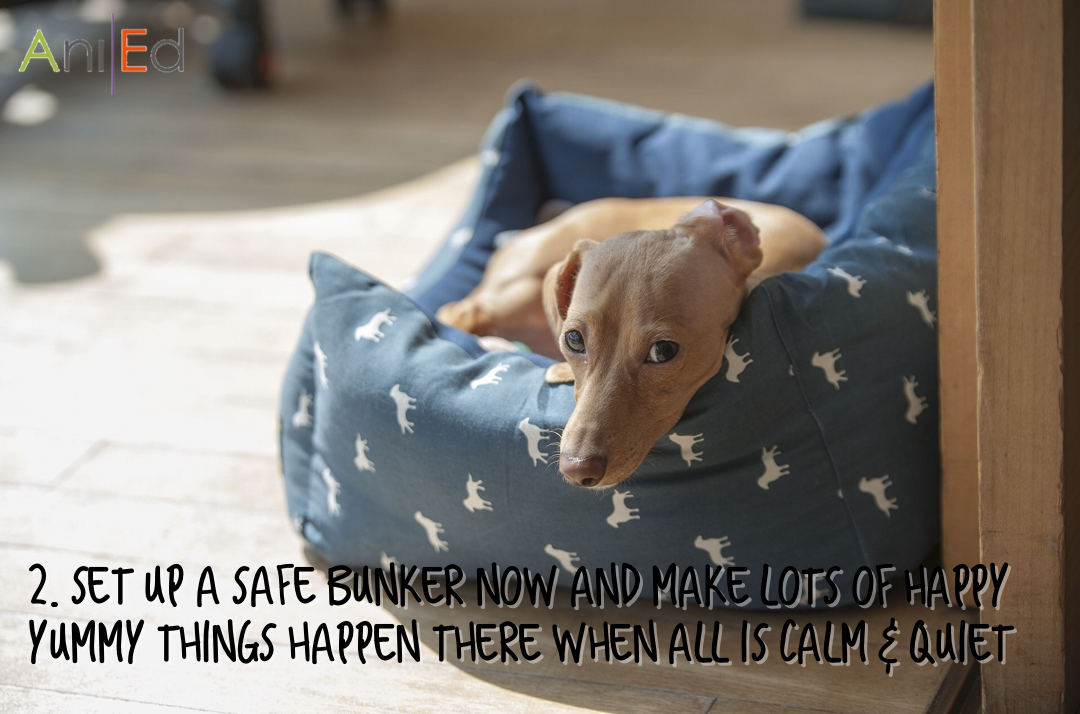
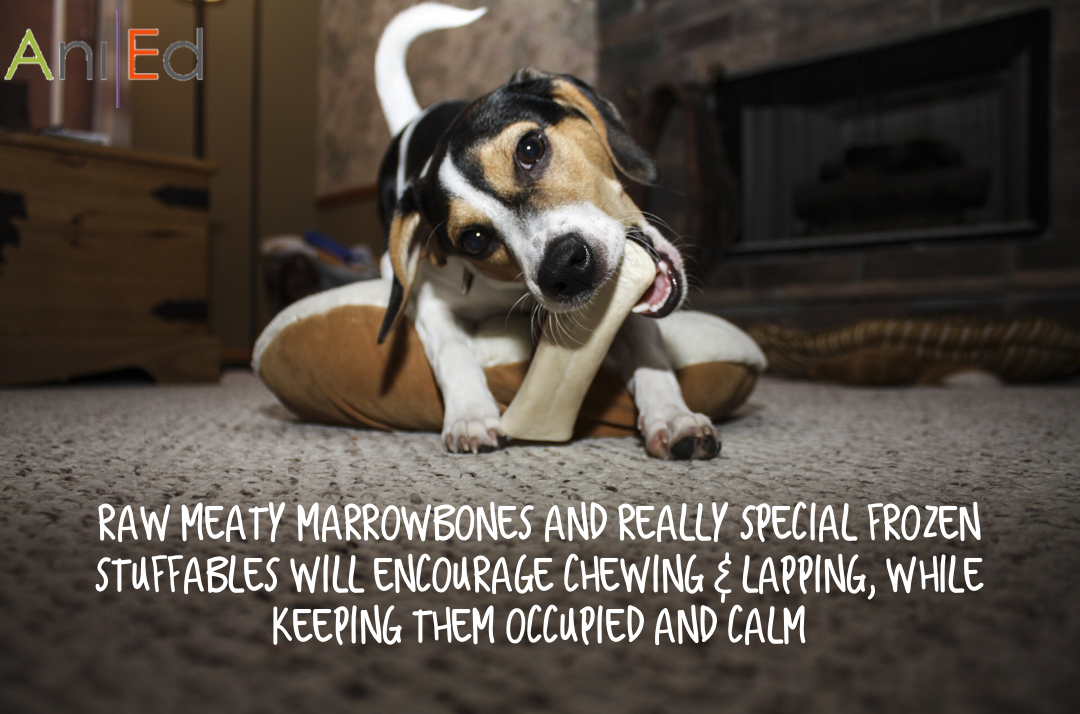
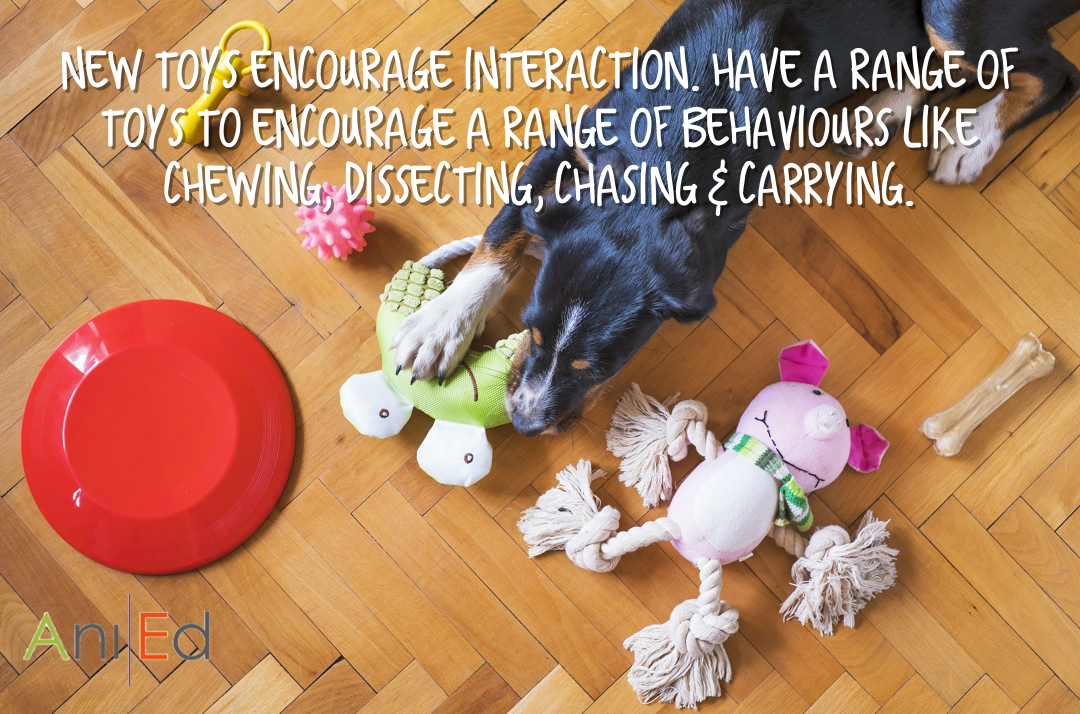

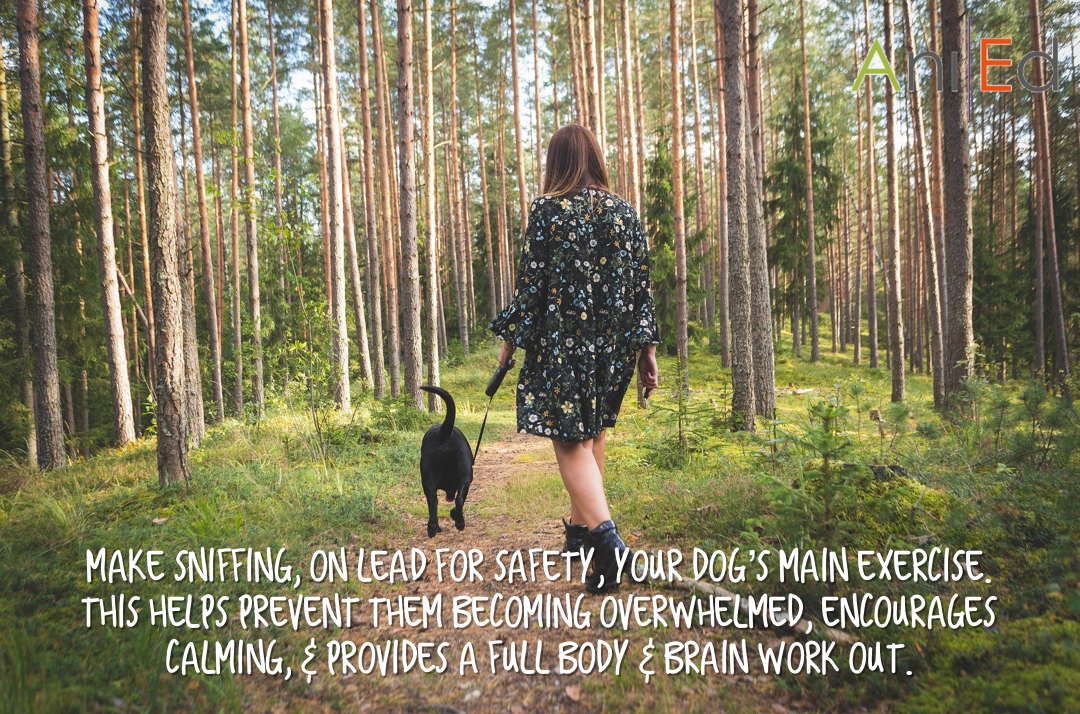
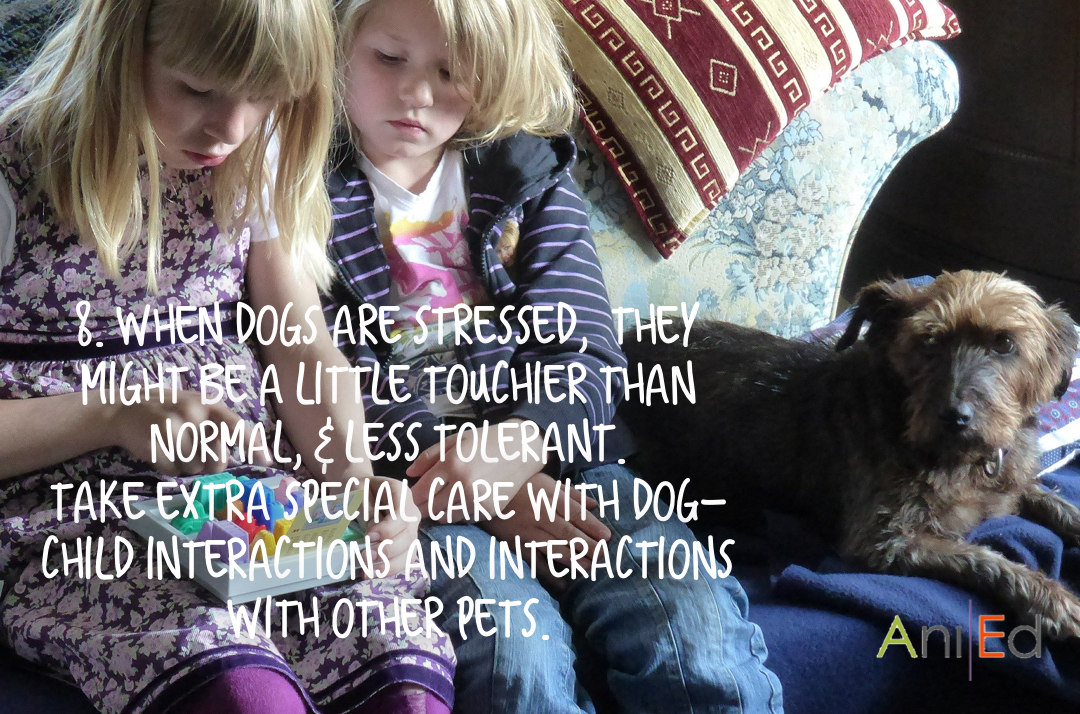

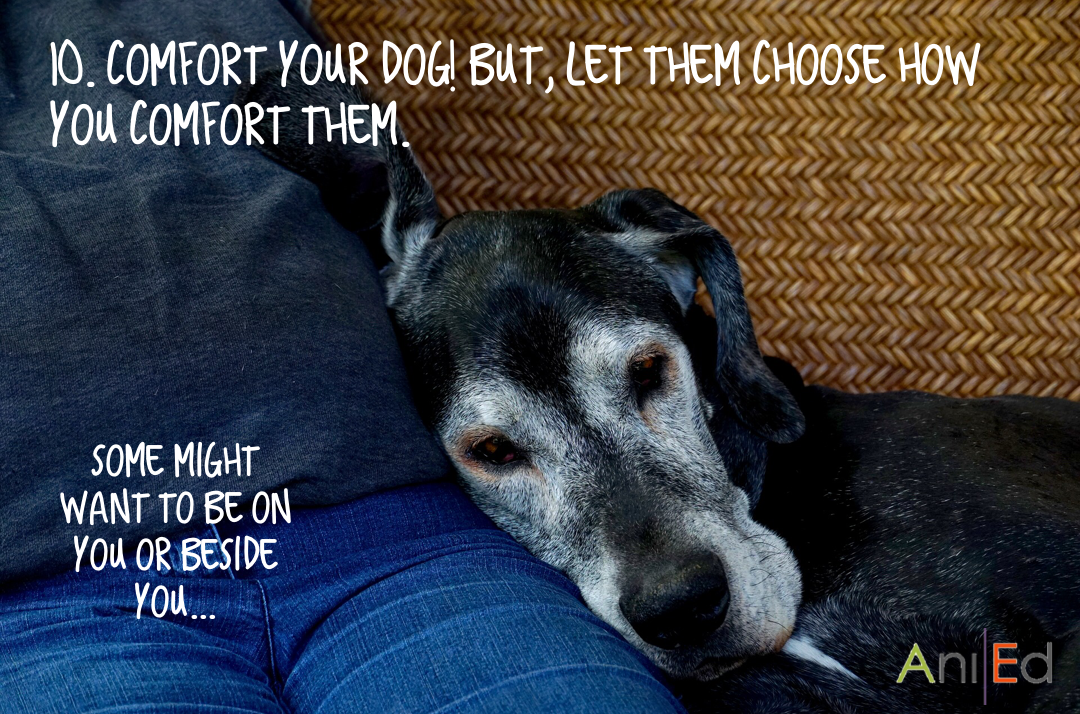














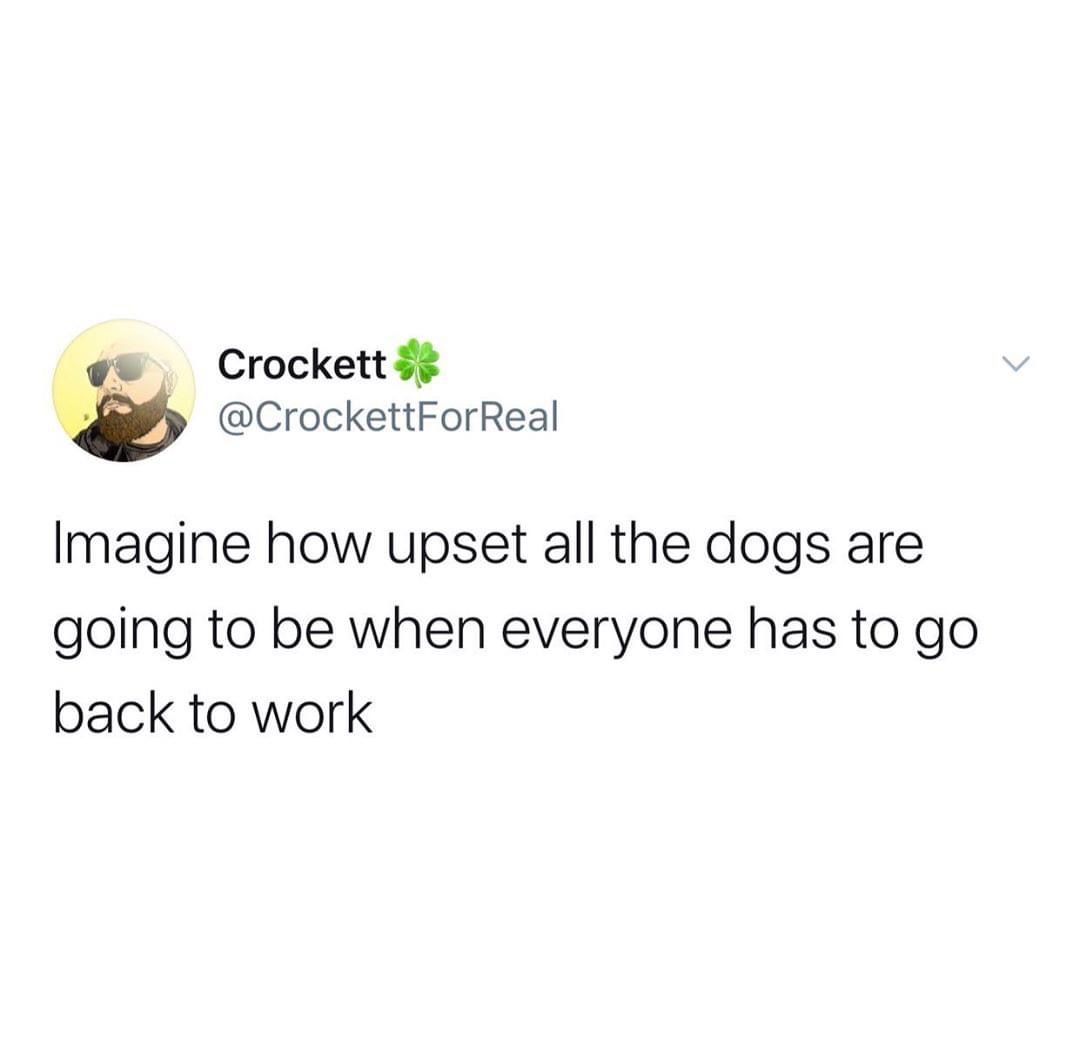
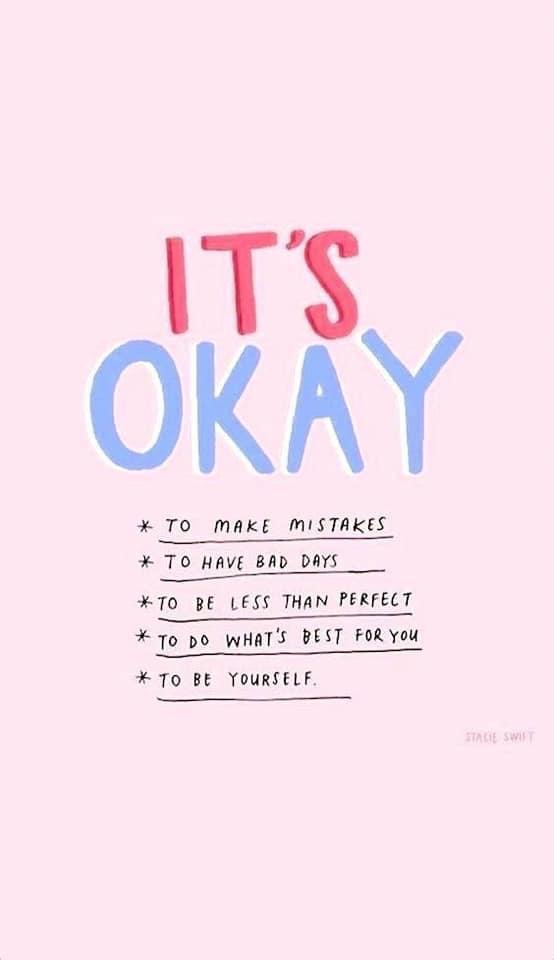
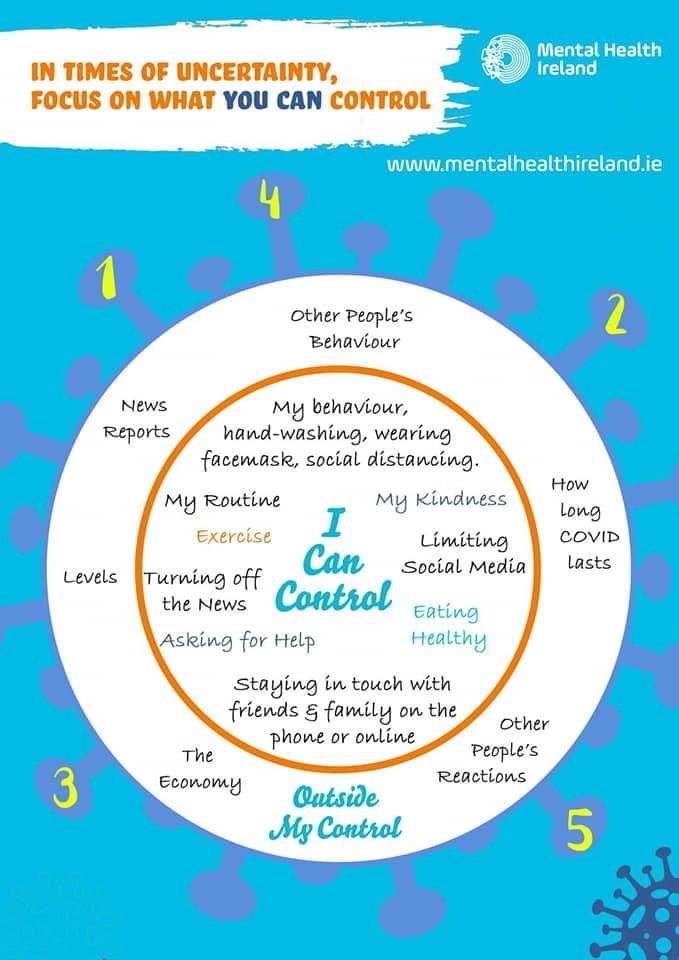
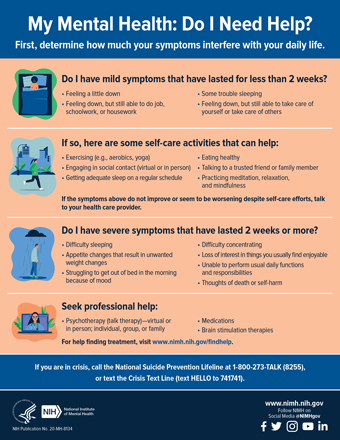


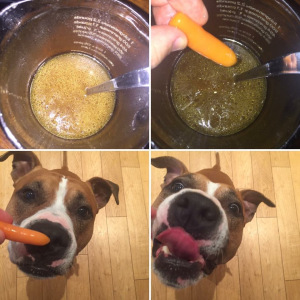


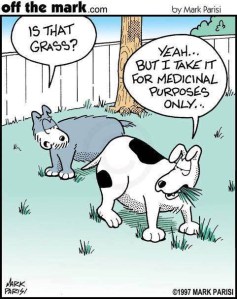

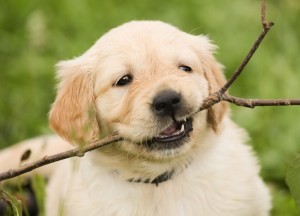
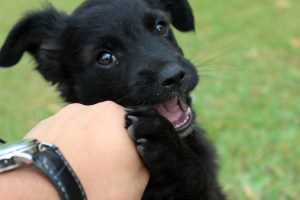
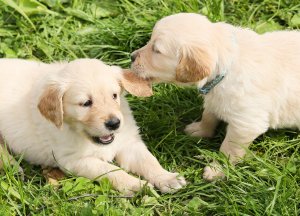
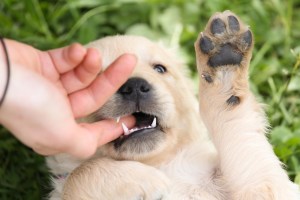
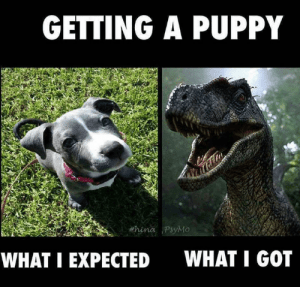



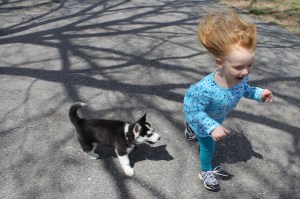
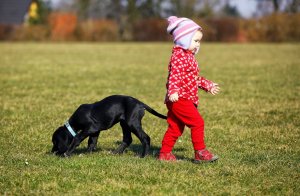
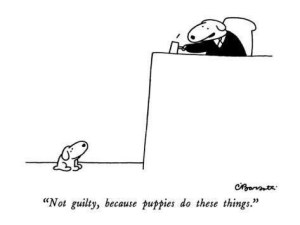

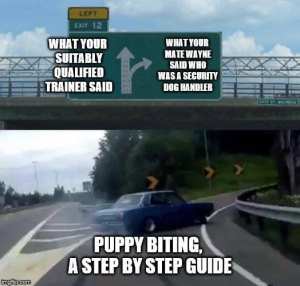
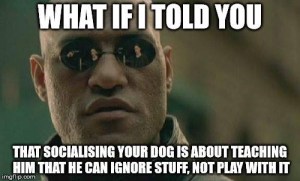
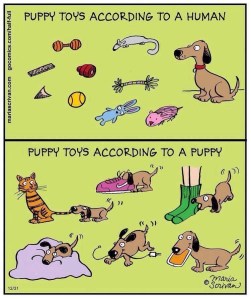

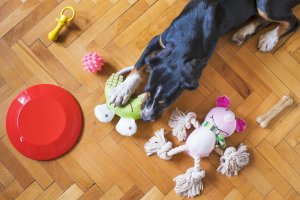







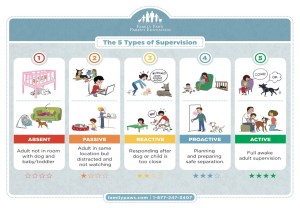
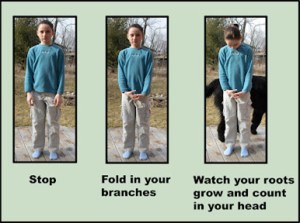
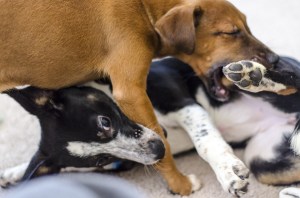
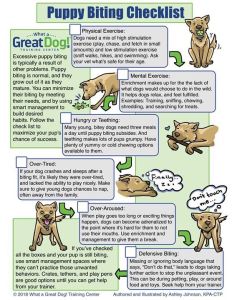
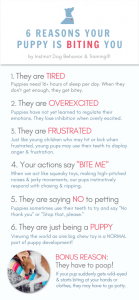
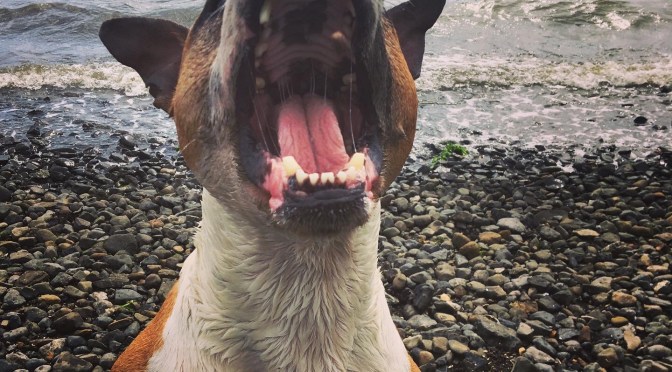
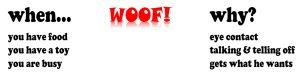

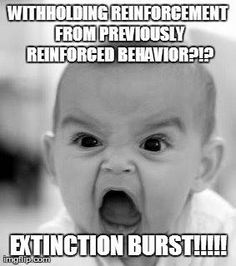

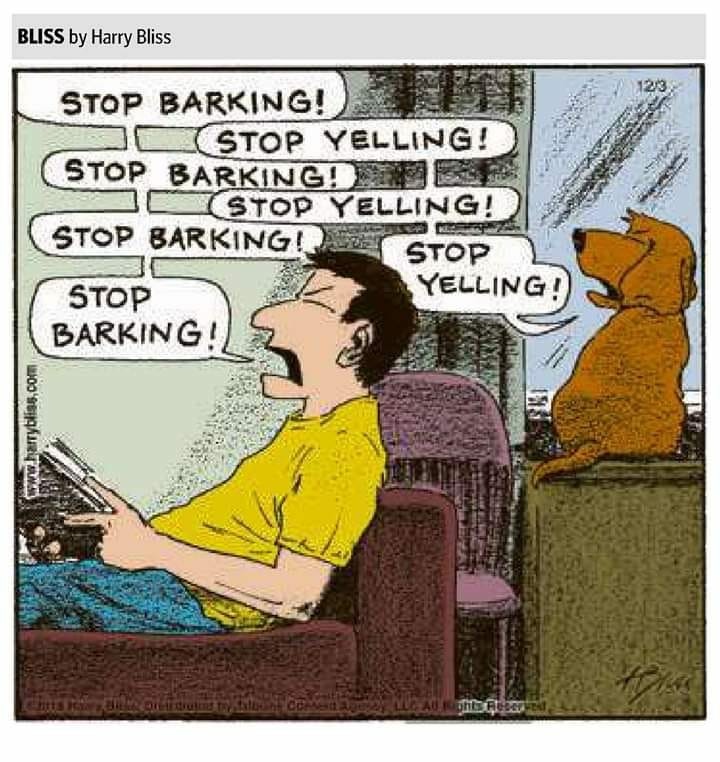




 AniEd Ireland