We love dogs, and so do you; here’s a Valentine’s Day giggle…

…and something sweet…
Another week almost over, and we are not even back to full service yet!! 2016 is going to be our biggest year yet 🙂
We work with the dog-rescue charity, A Dog’s Life (check out their Facebook page and website) to help support their work in making sure their dogs get the best training and behaviour support.
Unusually, A Dog’s Life has a lot of puppies in their care at the moment so that’s a great excuse for us to hold a puppy party in our new place #puppybreath !!
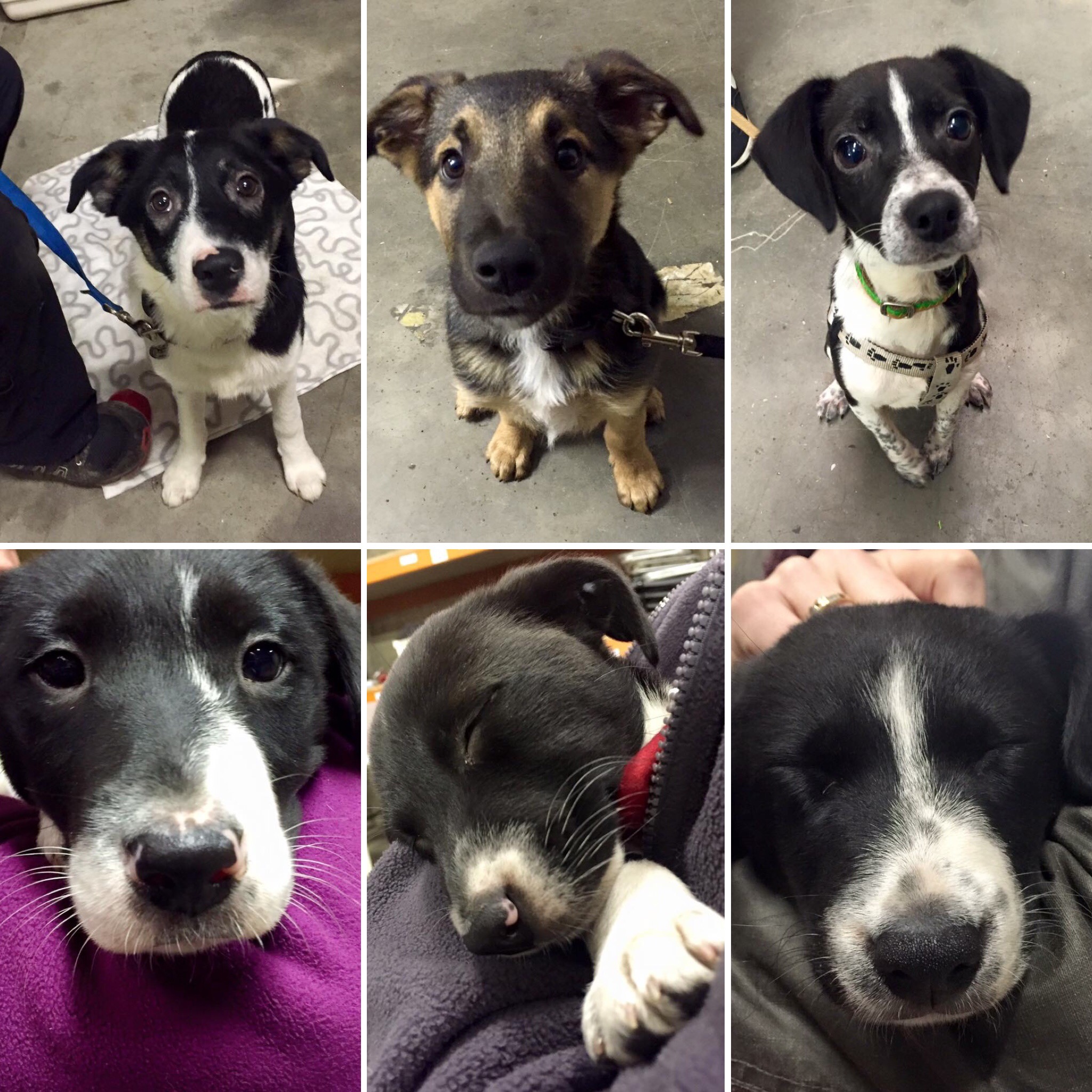
Holly, Rudi, Gertie, Hope, Macy and Toby, along with their awesome fosters came along for fun and brain games.
Hope, Macy and Toby are from the same litter so it’s good for them to be exposed to other puppies and to spend some time apart from one another too.
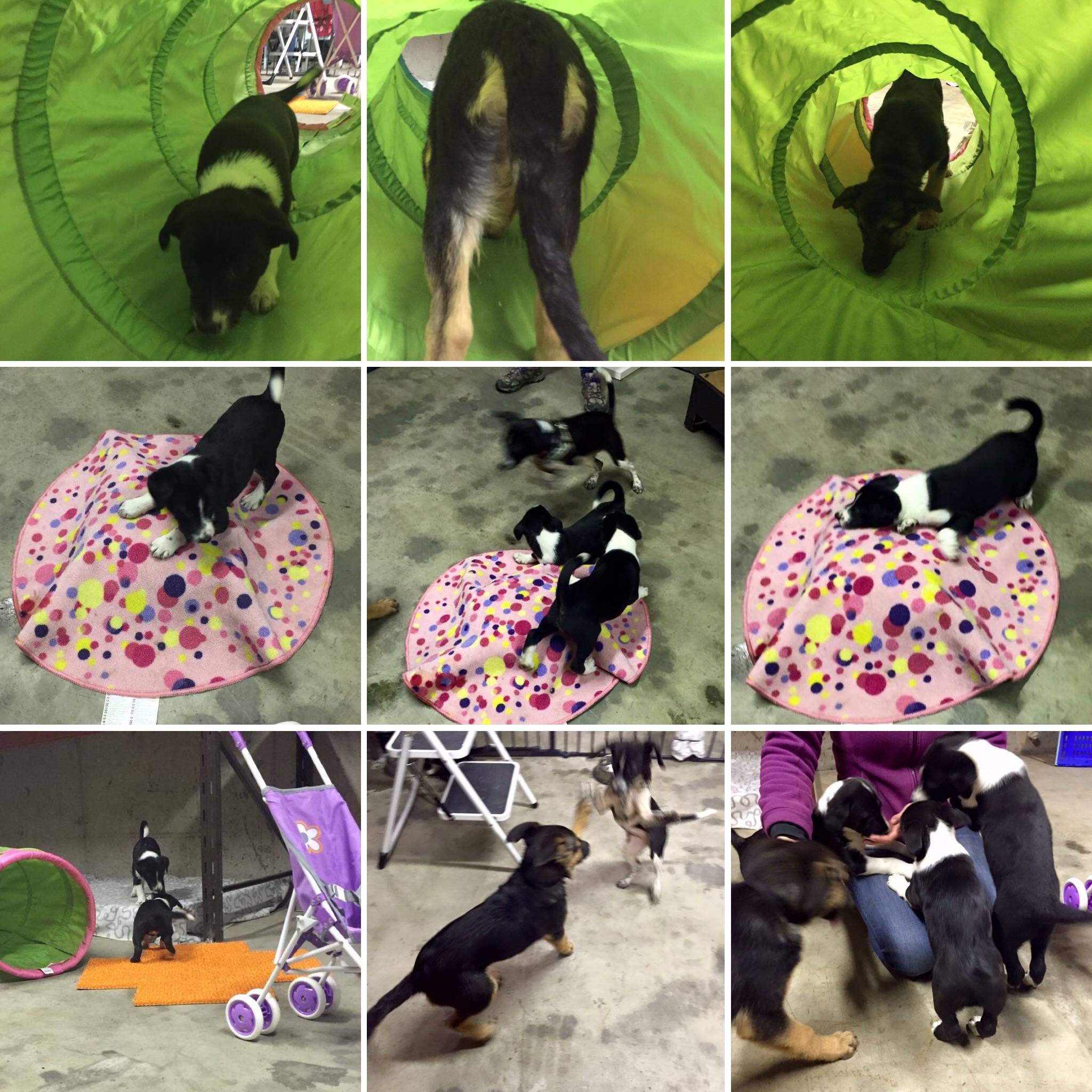
Check out Rudi meeting all the black & white puppies:
In good news, Rudi has found his new awesome forever home!And home checks are in process for Macy and Gertie so fingers and paws crossed!
We set up a confidence course behind a barrier so that the puppies couldn’t get into any mischief.
Confidence courses help to expose puppies to odd, novel and out of context items and situations in a safe environment so that we can help them learn to cope with stress and develop resilience.
Puppies learn that they can investigate new, weird and even scary things without any pressure, in their own time and they can direct the interaction, with the choice to move away built in. This is confidence building and essential for puppies.
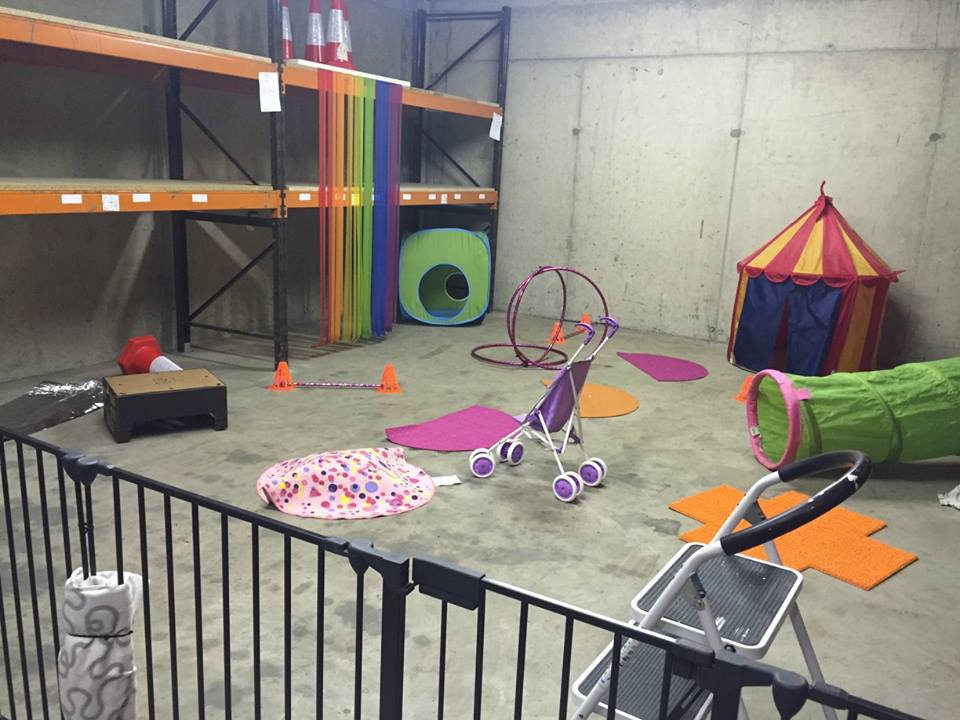
Weird items, things out of context, new substrates, different textures and surfaces, new noises and moving things – all make for a great puppy confidence course!
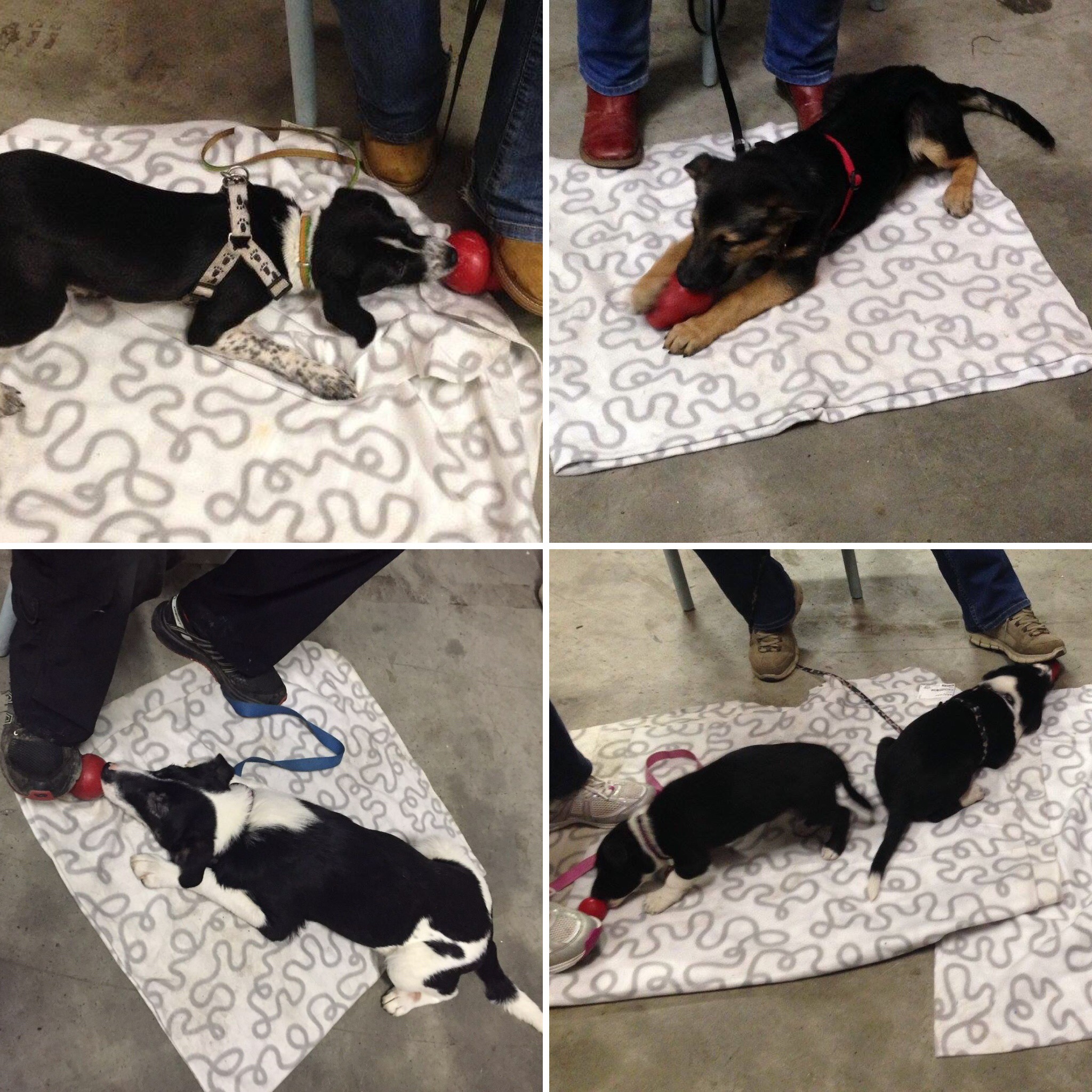
And after some playtime, exploration & investigation, we had some downtime – because learning to settle is one of the most important skills we can teach puppies and dogs.
Looking after puppies, to make sure to give them the best start requires lots of knowledge, so while we parked our puppies the grown-ups discussed all things puppy:
What we do now with puppies is having an impact on their behaviour over the remainder of their life; and these fosters have the added challenge of making sure that their puppies become adoptable, successful companions – no pressure then!
We practiced lots of exercises too:
Sometimes puppies will need a little extra help in developing comfort with handling, so we take our time and build the challenge a little more gradually:
It’s no wonder all the puppies were pooped after all that!

This week we mainly had follow-up appointments with dogs and their families already working through programs, coming back to adjust the plan we have built together, to build on progress and to keep motivation up!
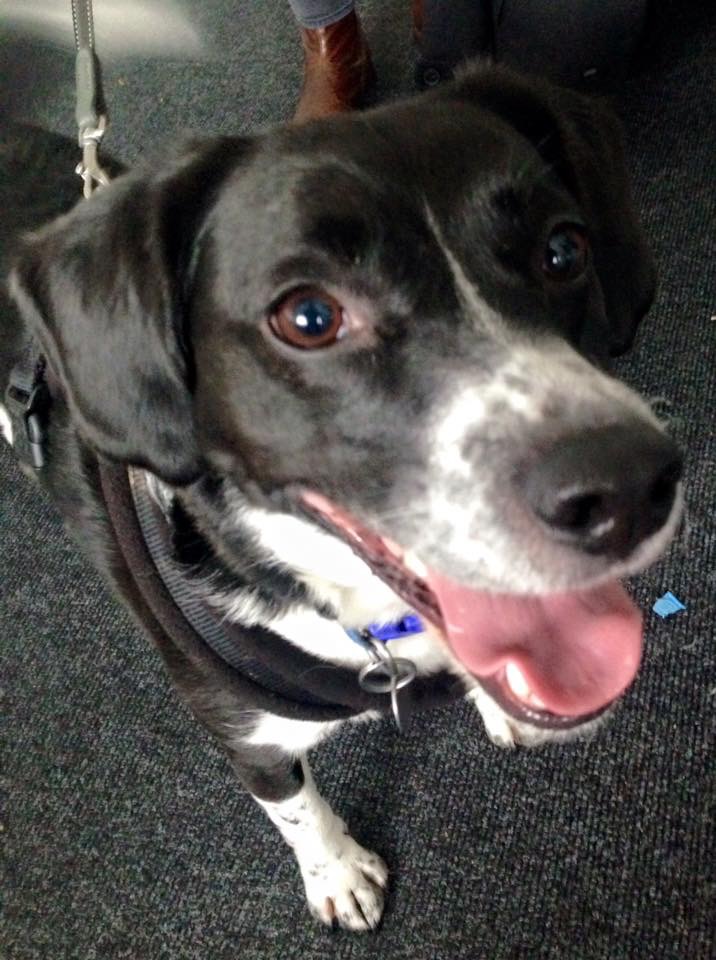
Harley came for a second follow-up as his people work through the program we have built together to help improve this little chap’s self-control, focus and coping abilities. He’s a super smart fella!

We were out and about with Shiloh for a third follow-up in the wind and rain (normal Irish weather!) to help her learn how to better cope with some specific fearful responses. Despite us all getting a bit bedraggled, Shiloh and her mum make an awesome team!
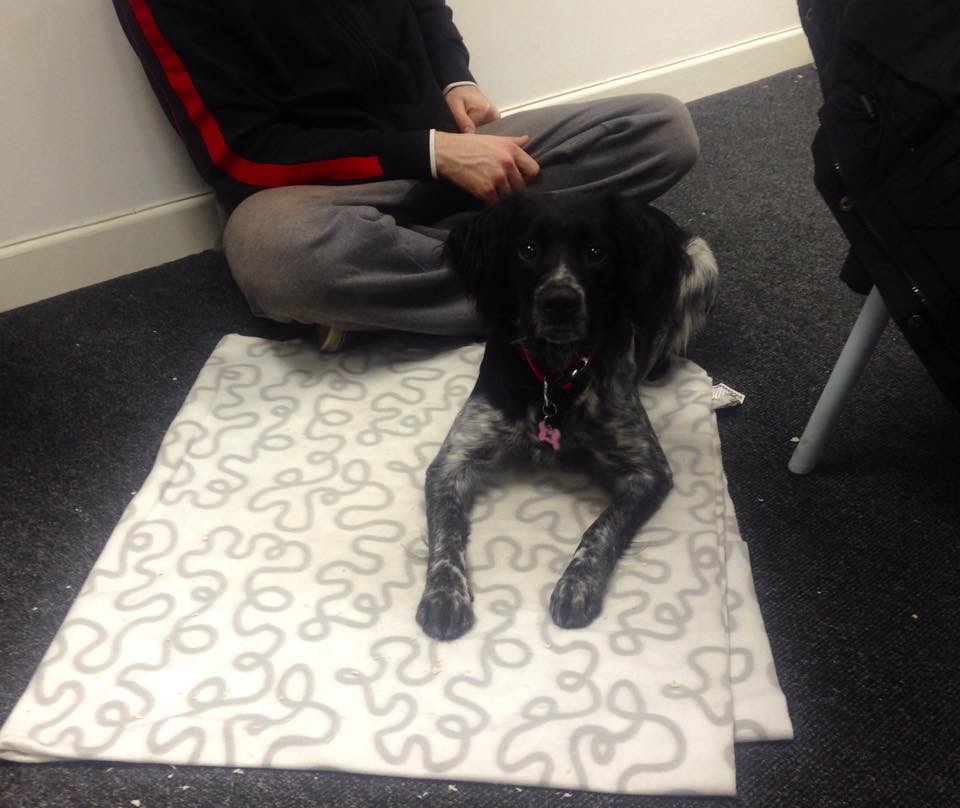
Shy girl Roxy came for her first follow-up – she and her people are rocking our program to help her confidence develop. She is becoming a cheeky little one!
Despite being scared of the mat at first, soon she was able to lie on it comfortably. Her dad helped by giving some support (sitting beside it neutrally) but Roxy was soon able to interact and lie on the mat with shaping, lots of choice and salami!
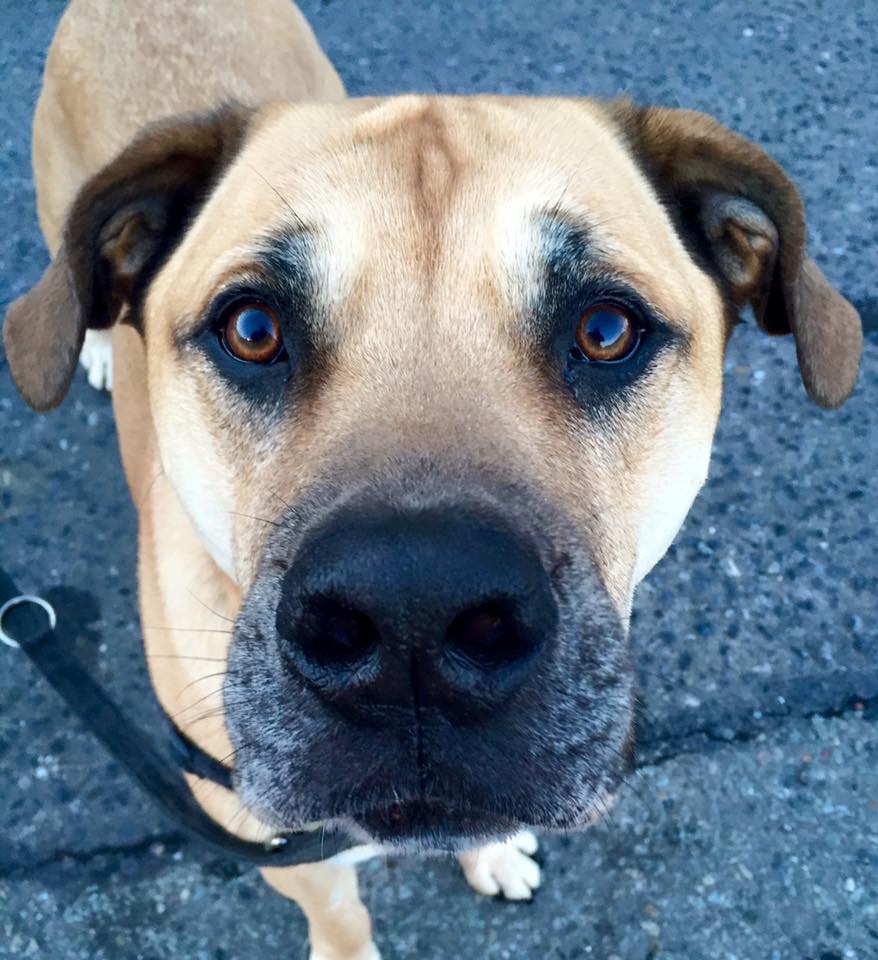
Lottie came for a visit too and we did some dog-dog comfort work. Lottie and her person did some awesome training, never allowing Lottie to become uncomfortable, always able to work and really closing the gap with our stooge dog (Decker)!
After we did some training work, Lottie worked on a puzzle – getting her dinner out of a plastic milk jug.
This will help her deal with any stress experienced during our training, get her brain working in a different way and keep her busy:


And Lucy Basset popped into say Hi!, check the place out, have a game with Decker and pick up a crate for her new foster brother Mason, who she will be helping to become a great adoptable pet!
We are celebrating because our CBTT3 group all completed their full course successfully! Yay!!!
They have completed 15 units at first-year degree level, battled with an enormous workload and still love dogs, training and behaviour at the end of it all.
Now the really hard work starts as they build their careers as fully fledged Canine Training & Behaviour Technicians, with our continued support.
We are beyond proud of all that they have achieved as they embark on becoming excellent dog pros!

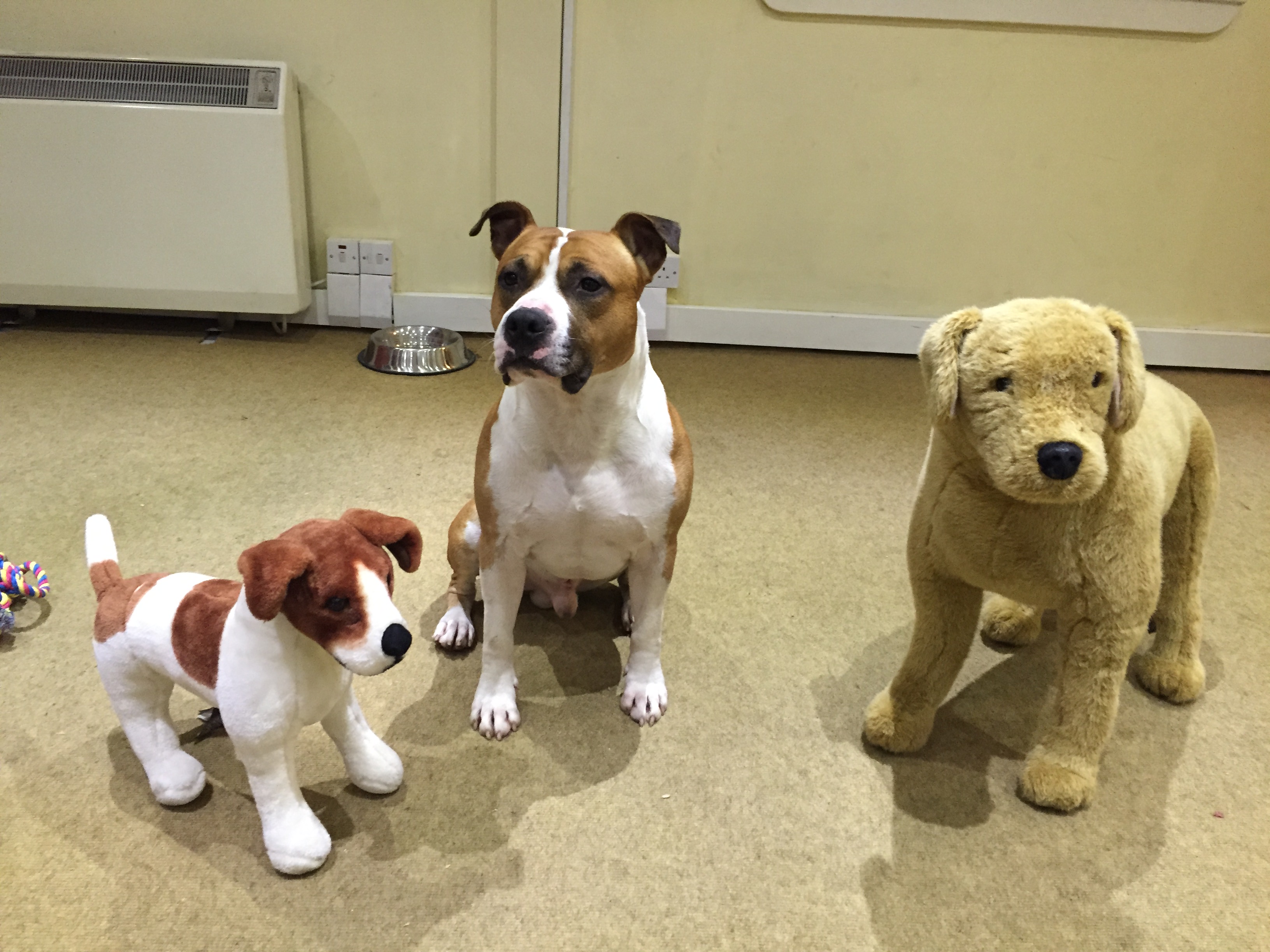
And our trusty pack of Labs, Bassets, Rotties, Yorkies, JRTs and Beagles (don’t worry, they are all well-behaved teddies!) are very tolerant models helping lots of learners become Canine First Responders.
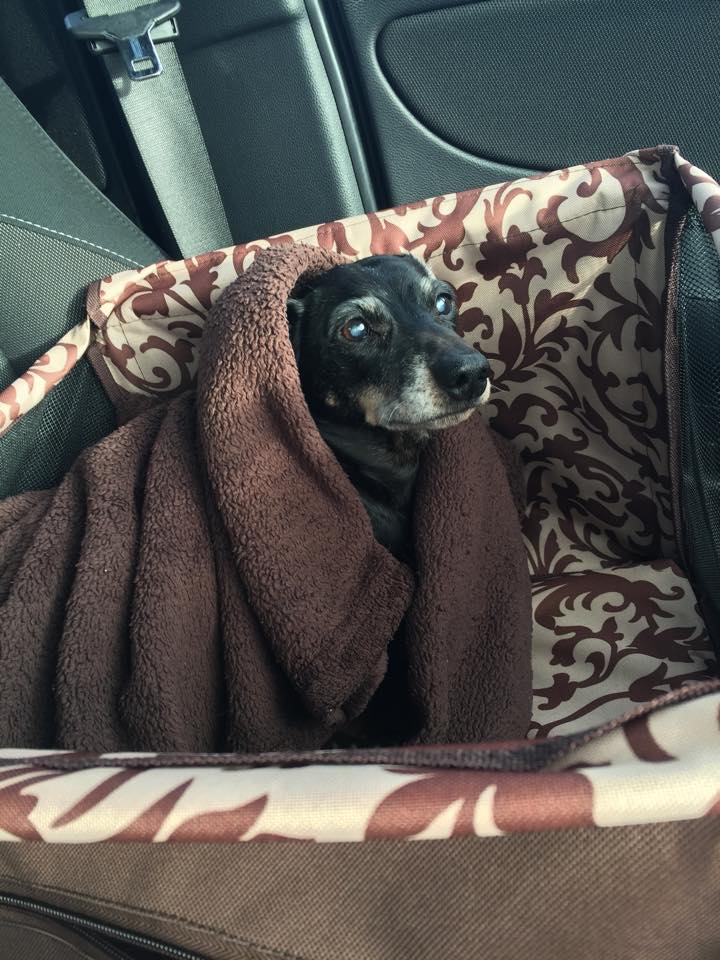

And Decker…
Lots more to come with a busy weekend ahead and another week of doggy adventures!
Our first WWW this week was overflowing so here’s more good stuff, we just couldn’t leave behind!
Each of us has that point at which we become overwhelmed, and our dogs are no different. Here’s a great piece looking at what’s happening your dog when they get to that point and things that you can do to help – Thresholds: when dogs reach their emotional edge
More news of just how awesome dogs are and how much they can and do help us: Largest dog genetic study informs human diseases, Tracing the roots of OCD in pets and people and ASU Lab training bomb-sniffing dogs to detect IEDs.
Why?
– do dogs turn in circles before lying down?
– does my dog cock her head?
– do dogs make a mess when they drink?
– do dogs like to shred tissues?
How?
– to live with a high energy dog without losing your mind
– to crate a dog (!)
– to completely pet-proof your home
Puzzles and brain teasers are essential for ALL dogs but they can really help boost the confidence of shy or fearful dogs: teaching your fearful dog to use puzzle toys.
The weather is pretty nasty right now so have lots of fun indoors with these 7 rainy day games to play with your dog.
And of course entertainment and enrichment is not just for pet dogs: 15 easy ways to enrich your indoor cat’s life and environmental enrichment for cats (we are not big fans of laser-chasing for pets, so please take care with that suggestion).
Today we hear the very sad news of a newborn baby killed by the family dogs, while the new mother fell asleep beside baby. Please check out and share this video-presentation: 5 types of supervision
Why not really pamper your dog and make him some homemade yummies?! Try some black pudding & potato bites or some low-cal snacks!
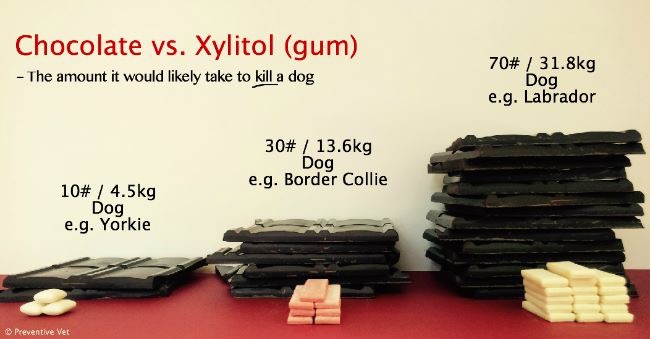
Please be careful any time your dog might be exposed to ‘human’ food and check for components that may be dangerous to them, such as xylitol.
Most people are aware of the dangers associated with your pet eating chocolate, but few are aware of much more serious and sinister dangers such as grapes/raisins and xylitol products.
Just as in humans, recent work has suggested that dogs also have ‘general intelligence’ that can be measured in a canine ‘IQ’ test: Mensa Mutts? and Canine IQ test developed. Why not try some ‘intelligence’ tests with your dog, just for fun: Dog IQ test.
As we learn more about human and canine sports medicine, canine conditioning and physical therapy is becoming more popular: Physical Therapy of the 4 legged variety and Doggy Yoga – and it’s no joke! for more on what this area is all about,
But as we learn more, we must take extra care not to cause our dogs more harm than good: Extreme Canine Conditioning Exercises – they may be possible but are they safe?
Here Duffy shows you some fitness tricks!
And all this developing knowledge is great for helping dogs shed those extra pounds, that will improve both the quality and quantity of their lives: Pet Fit Club – check out some of those amazing transformations!
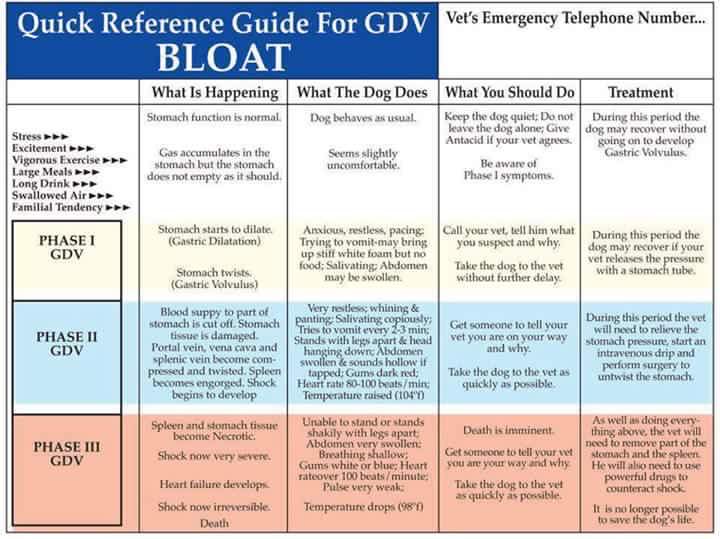
Canine Bloat or GDV is a serious, life-threatening condition that all pet owners must be aware of: Everything you need to know about canine bloat.
What do you think of matching pets and people just like online dating? Well, there’s an app (almost) for that!
This week we looked at some misunderstandings when assessing a calm dog or a very stressed dogs; frozen ain’t fear free!
Clever/sneaky dog has worked out to get a yummy treat for himself!
Speaking of sneaky, check out these stealthy, spy-cats!
A busy week so a packed round-up for you:
Older dogs with grey muzzles are heart-melters and we of course want to make sure that their twilight years are the best.
Some great advice on keeping the senior canine family member happy and healthy, especially when there is a young upstart under the same roof from Smart Dog University.
On the subject of seniors, making decisions about their treatment Vs their quality of life is always difficult; here Marc Bekoff examines What’s a good life for an old dog?
Helping bonded dogs cope with the loss of a canine companion can be very tough; here’s one take.
And not just difficult for canine companions, but also the other end of the leash too. Has grief for a dog who died every overwhelmed you? Don’t worry, you are not alone.
Training your dog is vital, not a luxury. You really need ten reasons? 10 Reasons to train your dog and 10 Top Tips from Dr Yin!
Trick training is not only fun but behaviours taught can be useful in sports, conditioning and working with your dog plus you develop an excellent relationship with them, all the while having a great time. Lexus and Jesse provide lots of inspiration!
Even when you might enjoy the scents of aromatherapy, there can be harmful effects for our pets: Aromatherapy: Relaxation or Torment for Pets?
Finding a good dentist can be tricky, and so can finding a good dog trainer – don’t worry always ask us for help in choosing a pet care professional!
Animals are naturally stoic and don’t want to be too obvious about showing serious pain. Pain is a major stressor leading to often misunderstood, subtle and even surprising behavioural changes – that’s why if there’s a change in behaviour or behaviour issues present, the first port of call is the vet!
Your dog can’t be in pain as he runs & plays? Think again!
Veterinary medicine really has come such a long way but important considerations are always required when it comes to pet anaesthesia: Canine Anesthesia
Being an informed pet owner also means knowing what questions to ask too: Questions to ask before anesthesia
I know we all love a hug, and love cuddling a cute canine even more, but for some dogs in some situations, this might not be as much of a joy for them: Why dogs don’t like to be hugged and Does your dog like cuddles?
Just as we would prefer to be asked before being touched, ask does your dog really want to be petted?
Philip Tedeschi delivers an insightful TEDx talk on the human-animal bond.
Be more dog: How to be a dog
Did you know that we can teach all manner of animals to be willing participants in their healthcare, even for invasive procedures? This originates in work with large, exotic animals in zoos and collections – it’s pretty tricky to restrain a large cat or hyena and sedation is stressful and dangerous. So, why do we continue to restrain dogs and other pet animals, causing untold levels of distress (to all) and presenting potential health and safety nightmares; instead try husbandry training like this fantastic example.
Squishy and stretchy; dogs squeeeeeeezing through cat-doors!
And my favourite clip this week; it’s always the little ones!
So many great bits and pieces, we might even have enough for another WWW this week!
What ever happened to doing nothing?
I can’t remember what I used to do when there was any sort of lull in the action before I had a smartphone.
Anything other than constant stimulation and I am reaching for my iPhone…

The movie Bolt struck a cord when I saw it a few years ago.
It’s about a canine star of a TV show, Bolt, who plays a dog with super-powers saving his person Penny from the Green Eyed Man, week in, week out.
Except, that nobody told Bolt it was just a work of fiction and that he isn’t really a super-dog.
When the cameras stop rolling Bolt is kept in a permanent state of readiness, to fend off attacks by his enemies.
What about pet dogs?
We certainly invest lots in teaching them to do lots of stuff, to increase their responsiveness, to build their love of learning and interaction.
And we put lots of energy into keeping them active, getting them moving, in the hope that a tired dog is a good dog (but is it?).
When do they get to just be?
Pretty much every type of dog was developed for some sort of job and in modern pet-dom most dogs are unemployed.
Our efforts in guiding dogs from wild to pet, whether intentional or not, selected for characteristics such as wariness, reactivity, inquisitiveness, attachment and activity.
Our pets’ lives, just like our’s, continue to become more and more sedentary with us substituting real-life pursuits for those that are easier to participate from a seated position – even sport is a less serious outlet for pretty serious behaviour.
Without outlets for our behaviour, it is channelled somewhere else – I have a Smartphone but what do our dogs have?
It can be tricky to spot a calm, chilled out dog.
With great access to knowledge you might think we have a better handle on canine signalling, but unfortunately our awareness (or lack thereof) is affected by popular media’s interpretation of “calmness”.
A dog who is overwhelmed by a situation and can’t use behaviour to escape something they find unpleasant, will often show signs of ‘shutting down’.
This happens because the dog is unable to escape and his requests for relief have gone unheard/unanswered. This is typified by a very still dog – the absence of behaviour is not calmness.
Shut down dogs interact minimally with their environment, their body may be still and tense, if they are moving their posture may be low slung, they will often be frozen, you may see them yawn, lick their lips, and squint and blink (outside of normal contexts for these behaviours).
Eileen Anderson’s clip gives you a run down of some examples, mistaken for calmness:
A chilled dog is loose, breathing deeply, he may still be monitoring the environment but not really on his tip-toes, he may still be responsive but not in an overly enthusiastic way – but the biggest difference?
The chilled out, calm, ‘just being’ dog is choosing to chill, be calm and be.
Back to Eileen Anderson for her ying to the yang clip:
Start by helping your dog to learn that settling, and being calm is excellent!
Check out Week 2 training games from our Train Your Dog Month here.
This dog needs help coming down from the highs, and to better control his swings from up to down.
This dog needs help learning that they don’t need to be ‘on’ all the time – good things happen when you’re doing nothing too.
Both in training sessions, and in life, mark and reward doing nothing – even if it’s only a split second – the more you reinforce nothing, the less frantic behaviour you will see.
Week 4 of our Train Your Dog Month program
https://aniedireland.wordpress.com/2016/01/16/training-game-2-5/
When we might only have limited time with a dog, whether that be because we are visiting, working long hours or the dog is in a rescue/kennel environment, of course we want to make the most of our time together.
But, a dog who hasn’t been getting too much human attention will be pretty wound up and anticipatory waiting for it. Sometimes, it’s better just to hang out with them – this gives them the opportunity to calm down, bond and be.
Don’t forget, that before the dog can just be, he must have an outlet to just be a dog too.
Not so much this week at AniEd and more like the past month at AniEd…
At the end of 2015 we said good bye to 19E…
…and hello to number 23.

We have mainly spent this month getting settled in a new training & education centre. Now, we still have a ways to go but at least we are working from there and offering a limited range of services.
We won’t be ready for training classes for a while as we get our new big space ready – it’s next on the list!
In trying to get back to normality our one to one training, daytraining and behaviour consultation services have continued.
We had visits and got to hang out with some great pets (and of course their people too)!


We worked on some recall exercises:
We did tons of work on self-control:
We got started on some loose leash walking skills:
We even started with some husbandry training with a teeny-tiny muzzle:
A whole new group of Canine Training & Instruction (CTI) learners started, christening our new classrooms!
A diverse group of fab dog-lovers, just starting on their journey toward becoming the dog pros of the future.
During their first weekend they were introduction to Biology for Animal Care, Communication Skills and Health and Safety for an Animal Care Setting.
They began to learn about how dogs tick, from molecular, cellular and physiological levels with examinations of tissues and organs.
Lots of discussion went into the best approaches to dealing with sticky issues, how to make sure that the welfare of the pet is the goal through improving the welfare of their person and learning to communicate your message so education is always the priority.
They had an intense weekend, with great feedback – we have high hopes for CTI3!
Read more about this program here.

We have a new Canine Studies – Foundation (perfect for dog walkers/pet sitters) and Canine Nutrition courses starting soon too so it’s all hands/paws on deck.
We worked with lots of animal care students all over the country, helping them become Canine First Responders so that they will know how to help a dog in an emergency, working with our teddies and Caspers!
Our next CFR course is 12th March – email us info@anied.ie for more info!

And we help spread some dog awareness with talks to Gas Networks Ireland staff on staying safe in their daily dealings with dogs as they carry out meter readings and maintenance.

We were so busy all last month with Train Your Dog Month that we are just now resuming normal service.
This WWW is covering some of the best pieces doing the rounds last month; a bit of a catch up!
 You have only just started so don’t stop now.
You are ALWAYS training your dog and he is is ALWAYS being trained so make sure that he is learning the right stuff!
Stay tuned to our blog for lots of top tips, clips and tricks each week so that your journey can continue.
Revise, or go back and work on exercises that you found particularly tricky or indeed, useful.
Take a well earned rest and well done for participating in Train Your Dog Month 2016!
This is our last challenge…make it a good one!
To teach your dog best, keep him successful as possible. That means that if your dog can’t find your face in a particular situation, it’s just too distracting for him.
Distractions will affect your training efforts 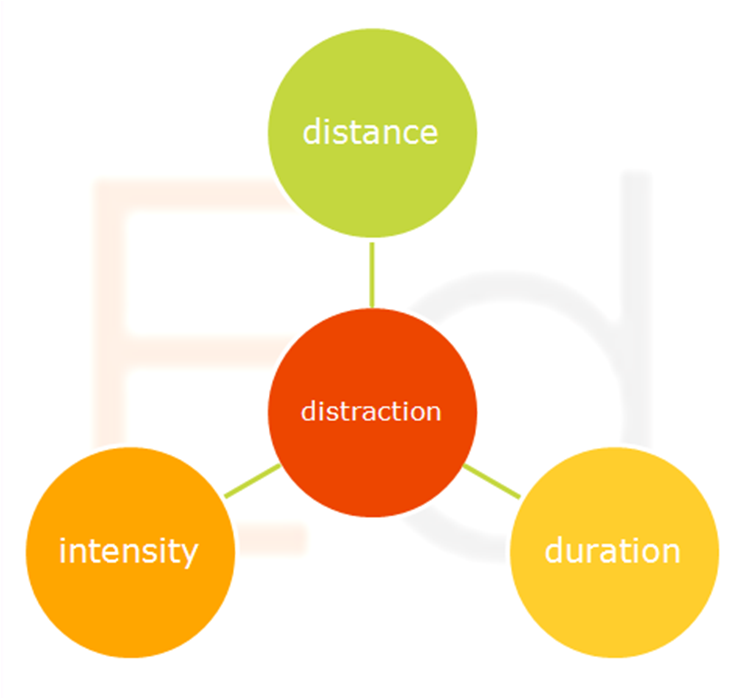 in three ways:
If your dog has trouble focusing it may be because:
For example, your dog may be distracted by another dog when:
Keeping your dog successful means that you monitor his ability to focus and be comfortable around distractions.
Start with distance from potentially distracting situations
How close can you be to a distraction, that your dog can find your face?
A good indication is that if your dog can do the Find my Face exercise, take their reward and then offer another focus, within a 5-count
If there is more of a delay or your dog has difficulty playing the
game at all, you’re too close.
Take a few steps away, and try again.
When your dog can offer 5 repetitions, with a 5-count or less between each one, take a couple of steps closer and build again.
When working on distance: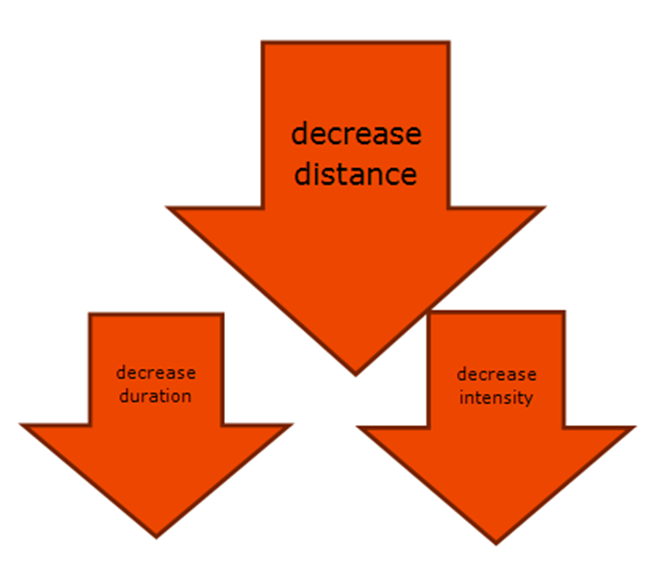
When your dog is able to play focus games pretty close to distractions, start to build the length of each session.
Build by no more than 30 seconds at a time.
When working on duration:
Now your dog is able to focus closer to distractions for a little longer – it’s time to increase the intensity of that distraction.
When working on intensity:
As your dog improves and is able to Find your Face in and around distractions start to decrease distance while at the same time increasing duration or build intensity while decreasing distance.
This will best help you to have your dog responsive and with you in all sorts of situations.


Teaching your dog that him seeing certain stimuli (might be other dogs, people, distractions or specific situations) mean to focus on you is a real training shortcut – that means that as soon as your dog sees one of these things he immediately looks at you, gets into focus mode, and all you need to do is to reward him!
Time Allowance:
Practice for 1-2 minute sessions and then take a break. Have a few sessions today and tomorrow.
Family Participation:
Kids are often great dog trainers. Teach each child how to play this game safely – have your child sit in a chair to practice.
If your dog is mouthy, jumpy or likely to get over-excited it might be best for you to get the behaviours established and then bring in the kids to help with practice.
Always supervise child-dog interactions and make sure children learn to leave the dog alone when eating his rewards.
Top Tip for Today’s Training Game:
Start working on these games in really low distraction situations. What really gets your dog distracted or excited?
Might be other dogs, passing people, squirrels or interesting smells.
Well, don’t start working around those until you can ace these games in other situations first.
You will need:
Start this exercise by practicing some Find My Face! in a low distraction situation – this might be on a quieter street area, in a quiet spot out on your walk or in the garden.
Allow your dog to pick out things in the environment and just let them observe…
Wait for your dog to choose to find your face; YES! and reward. Repeat.
Practice this game of passive focus in mildly distracting situations.
Check out Bailey practicing some passive focus in a mildly distracting carpark, with people, vehicles, noises and sniffing to distract her:
Note that we don’t ask her to check back in, instead just wait – lazy dog training!
Getting to, through and out doors is generally met with lots of excitement and enthusiasm in dogs – it’s just so rewarding on the other side!
Teaching your dog to be calm, patient and focused on you at doorways will not only make life easier but potentially safer too.
Without even asking him, we can teach your dog to automatically find your face inside, through and outside each door!
 AniEd Ireland