While we have had a little break from blogging due to illness and holidays and general run-off-our-feet-ness, we have been working away behind the scenes.
AniEd has some really exciting plans to bring you accessible and relevant educational events, that will be as up to date as possible, interactive and packed full of useful resources.
Access to these resources, interactive feedback and discussion and the events themselves will be largely via this blog so you might see password protected posts – these are for those who have signed up for the event. A password will be given to each attendee so that they can get the full picture and access all the associated material.
We will be back up and running soon with our usual free access blogs, with lots of clips & tips too.
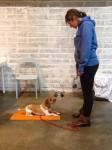
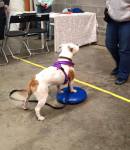
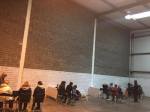
This weekend we have a CAP1 workshop at our centre, to help those just starting out with clicker training and to help prepare for submitting assessment.
Working spots (with dogs) are filled but there are unlimited spectator spots available. Current students of ours can take advantage of discounted rates for attending and outside of this, this event costs €50, payable on the day.
If you would like to attend just send an email to info@anied.ie and we will provide details.
Look out for news of more workshops, seminars and webinars too so that you don’t miss out!
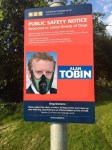
So a couple of weeks ago, on FaceBook, this happened:
“As a dog owner I’m absolutely delighted that signs I’ve asked for, with pictures, showing the dangerous breeds of dogs have been erected over the past week. It still amazes me that some people think these dogs are ideal family pets.” ~ Alan Tobin
A local politician in County Meath posted that comment, along with the photograph, publicly. Surely he knew the attention this would draw given the inflammatory language used.
Cue thousands of comments, derogatory posts, responses on radio and TV and back and forth on this topic.
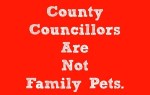
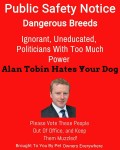
Of course, social media responded:
Not many had heard of this guy and his FB page had a couple hundred likes (now has a couple thousand)…but now he’s being shared all over social media, all over the world (last I looked the post had been shared over 55,000 times).
He has been on national radio defending his position, he’s been on TV here and he even accepted an invitation to a rescue organisation in Meath for a photo op with a “pit bull” type dog.
He has apologised and tried to clarify that he actually meant to emphasise owners researching and considering their choice of dog carefully while celebrating the acquisition of more signs in the national press…
We’re back to that social media staple, polarisation.
Of course this is a polarising topic, as those related to dogs and their welfare tend to be. The two extremes, pro and anti, can’t be completely right or wrong all the time.
The problem is that these extreme beliefs can be easily refuted, so striking a balance is important to allow us to achieve a more accurate attitude toward these dogs.
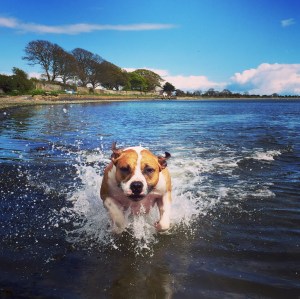
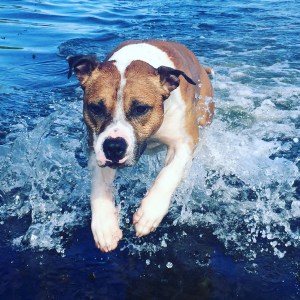
My ‘restricted breed’ dog, Decker, an American Staffordshire Terrier.
Public Opinion
The majority of regular people still hold the opinion, at some level, that these dogs, and dogs that look like them, are more dangerous than other dogs.
I would go so far as to say that there is poorly recognised prejudice among “dog lovers”, dog professionals and even among some of those shouting their objections in this campaign (these same people would be shocked to hear this).
People tend to categorise dogs into ‘friendly, family’ dogs and ‘scary, dangerous’ dogs (along with the people who own them).
It doesn’t matter that this may or may not be based in any truth or even knowledge, this view is reinforced by their experiences, by their presumptions and by what they read and see in media.
These people might see these dogs as status symbols, glorified by ‘thugs’ and trained to be dangerous killers.
As is the case with any polarised topics, the other extreme similarly sees these dogs as doing no wrong, as being perfect family dogs; again, it doesn’t matter that this may or may not be based in any truth, or knowledge.
These people may also see these dogs as status symbols, glorified as poster-dogs for anti-stereotyping, second chances, rescue and “rehabilitation”.
And on both sides, there is no shortage of pro and advocacy resources for the chosen position, each often as extreme as the other. But prejudice is prejudice.
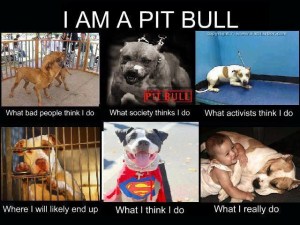
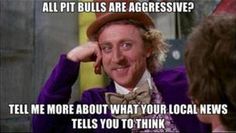
The joke is only funny if the stereotype exists.
Not only will the general population hold discriminatory attitudes toward these dogs, but also toward their owners.
These dogs will be associated with a particular lifestyle, ‘thuggish’ and tough, with its own “pit-bull” or “dog-fighting” culture.
Breed specific legislation is often considered and even enacted, not to target specific breeds, but more so to target people thought to be associated with these dogs. (Kaspersson, 2008 reports on the rationale behind the introduction of BSL, Dangerous Dogs Act 1991, in the UK).
The satirical news site Waterford Whispers, published this story – the only way the joke works is if the public hold certain beliefs/presumptions about those who choose to own these dogs and in that regard this satire is coasting pretty close to the wire.
Sweet Polly, who needs a new home!
The Stigma
With a strong and well reinforced campaign in media and society, painting some types of dogs in a certain way, along with their owners, it’s no wonder that pet owners might wish to compensate and manage others’ impressions of their ‘vilified’ pets (and thereby themselves also).
NCRC looks at biased media coverage of dog attacks here and here.
It’s interesting that the so-called Clifton Report is often referred to by pro-BSL/anti-pitbull organisations but this poorly researched work is terribly misleading (it is also not peer reviewed and is not a scientific study).
In his paper, Clifton only documents cases as per media reports…yes, taking all detail from media reports only. The work includes only 2200 incidents across almost 25 years (according to the CDC there are probably 10-15 times this number of serious injuries/maimings by dogs per year, for example here).
Instead this work just shows that attacks thought to involve “pit bull” dogs or involving dogs described as such are more likely to be reported by media.
This ethnographic study looked at ways that the people they interviewed (all “pit bull” owners) coped with the stigma they experienced. They highlighted seven strategies that pet owners used to mitigate the stigma they experienced.
These same strategies may be used in support of “pit bulls” (and other maligned breeds) and will be regularly seen, in various guises, in pro-pitbull resources. So, instead of examining this at individual levels we are examining this at a broader level.
This very list of strategies has been evoked by those opposing and offended by Cllr. Tobin’s remarks. We cannot argue with the erection of these signs, it should be noted. They are posted in many other public areas around the country and have been for years as they reflect the law as it stands.
But his accompanying comments, his apparent justification and some of the reactions from the ‘pro-side’ are more concerning.
How much better off are we and our dogs as a result of using such strategies to defend them?
Are there effective strategies that can be used to help breakdown the stigma surrounding certain dogs, reduce discrimination against pet owners and ultimately improve the welfare of dogs and their owners?
1. “Passing their dogs as breeds other than pit bulls“
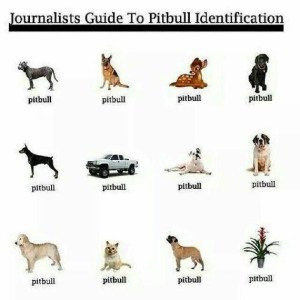
The difficulty and inaccuracy associated with identifying pit bull dogs, or indeed many other dogs, is often cited in relation to a dog labelled in a certain way, often in the reporting of a dog attack.
When is a pit bull not a pit bull?
It seems that stories reported involving dog bites, attacks and killings are more likely to attribute aggressive/dangerous behaviour to a set number of breeds. In any given incident, these dogs may or may not be officially identified, may not have been seen, and may not be of the type described.
The KC Dog Blog discusses breed mis-identification with examples, here.
Often the first response of pro-pitbull groups/individuals to the reporting of a dog attack will be to question any breed identification.
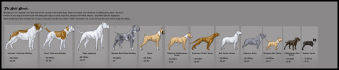
What is a pit bull?
A common argument that will be applied is that of the confusion associated with the term “pit bull”, which can mean something or nothing.
The term is most often and accurately applied to American Pit Bull Terriers (APBT), American Staffordshire Terrier (AmStaff) and sometimes to the Staffordshire Bull Terrier (Staffie).
But may also be applied to lots of other dogs too including American Bully, English Bull Terrier, American Bulldog (Johnson or Scott type), various mollosser type dogs like Presa Canario, and Bandogs.
And don’t forget the seemingly endless population of dogs of mixed/unknown parentage that share “pit bull” type characteristics.
And even if we are just talking about APBTs, there are several registries, different standards and lines of dogs. APBT breeders will often say that an APBT isn’t in looks, but in breeding.
Breed labeling
Humans love labels and categories, and squaring things away in little boxes.
Two interesting pieces of work have been published on breed identification recently, utilising both animal care professionals and DNA testing.
Each one found a significant disparity between breed identification and DNA test results. However, the most interesting part of these works is less the DNA/visual identifications (DNA identification of breed is controversial in terms of reliability) but that the subjects of the works didn’t agree with one another’s visual identification, demonstrating that visual identification of dogs is not reliable.
Go to almost any rescue organisation site and you can pick up the patterns when it comes to breed-identification. Dogs with prick ears are GSDs, dogs that are black and tan are Rotties, dogs with short legs are Bassets, dogs that are black are Labs, dogs that are black and white are Border Collies.
Some will even go so far as to suggest actual crosses , based on no actual knowledge of parentage. This is evidently very important to adopters, even when the dog has reached its adult size and its behaviour is described in detail. They still want to know and if they don’t know you can be sure they will give their best assumption.
I guess that makes it easier for people to make generalisations about the behaviour that they associate with a particular dog, whether accurate or not (e.g. Cockers are family dogs and so on).
This means that when a dog, of a particular appearance, carries out behaviour not associated with these stereotypes there may be surprise (e.g. it’s surprising that the Cocker bit a child) or it can just reinforce those stereotypes (e.g. it’s a pit bull and they bite kids).
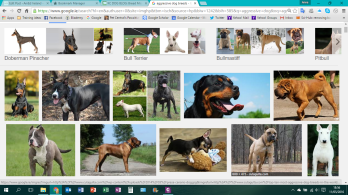
If you search Google Images for “aggressive dog breeds” a lot of the old favourites are there, plus a Chihuahua puppy ‘mauling’ a teddy bear!
When a regular person sees a media report, or an article, or a TV show depicting these dogs in relation to aggressive behaviour, biting, attacks or otherwise being scary, their beliefs about that dog, whether based in accuracy or not, are confirmed.
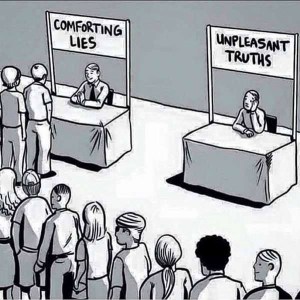
People expect this from these types of dogs. But, when we try to convince them that this isn’t typical or this isn’t a “pit bull” this is no competition for the looooong list of resources confirming what they thought and expected.
These are covers dated 21 years apart, the one on the left from 1987, very much a commentary on the strong anti-pit bull attitude that had developed among regular people by that time.
Both pictures serve as confirmation bias for people on either end of the extreme views on this dog aggression but I would suggest that for people not in the know, the picture on the left is always going to be more convincing.
Descriptions, associations, illustration or depictions of scary things will be more relevant and in erring on the side of caution, will be more impactful.
Because this image of a terrifying hound of hell is so well established and effective, any arguments will only serve to polarise people more and to undermine our credibility.
Advocacy & Activism
stop making presumptive breed identifications – even though it may be well-intentioned you are reinforcing the notion that we can just guess parentage
don’t label dogs unless you know parentage – just because a dog is stocky, short coated, with small eyes and a blocky head doesn’t mean it’s a “pit bull”
breed labelling and guessing may be detrimental to dogs in a rescue/rehome situation (Gunter et al, 2016)
don’t use the term “pit bull” – it’s a construct, a caricature
when commenting on dog-bite reporting don’t draw more speculation about breed, even though you may be trying to draw the attention away from a certain type of dog – it’s the same generalisation, it’s not helpful, it’s unsympathetic excuse-making and as such undermines our position
emphasise awareness of the consistent and preventable factors that are so often present in serious dog attacks such as those highlighed in a 2013 JAVMA paper indicated in 256 dog-bite related fatalities: inadequate supervision by able-bodied adults, lack of relationship with the dog, entire dogs, victim interaction, isolated dogs, prior mismanagement and abuse/neglect of the dog.
2. Denying that their (dog’s) behaviour is biologically determined
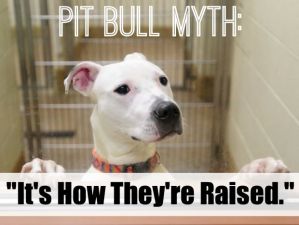
The phrase “it’s all in how they’re raised” is thrown around A LOT in relation to dog behaviour.
And it’s not true.
ALL behaviour is a combination of genetic and environmental effects.
Just because genes might have something to do with behavioural characteristics, doesn’t mean that their inheritance is any different to genes which contribute to the development of other characteristics.
The science is pretty clear on this one. Puppies are not born clean slates.
Selective Breeding
Not only do members of a breed share physical appearance with one another, they also share behavioural characteristics too. That’s why we have breeds we associate with certain jobs like retrievers, hounds, terriers and so on.
Breeders have historically selected for individuals who demonstrate desired characteristics.
Check out these (adorable) English Setter puppies pointing:
Dog behaviour will be seen at different levels: species level, breed level and individual level.
A lot of the behaviours that we have selected for in the development of different working dogs, at breed level, have come from canid-typical behaviour often summarised in Mech’s predatory sequence:
track-stalk-chase-grab-bite-hold-dissect-eat
In wild canids like wolves this sequence is intact but in domestic dogs we have exaggerated and inhibited different parts so that we have a dog capable of doing a specific job.
Can you work out which parts of the sequence each of the puppies in the above clips are demonstrating?
Complexity lies in genetic variation and the resulting differences in the expression of behaviour among individuals. Looking at the setter puppies above we can see that some are more skilled than others.
And this is further complicated because for most conformation and pet bred dogs, selection of behaviour has not been as intense or precise as that for appearance.
That means that we see versions of breed typical behaviour across individual dogs, and in terms of inheritance, behaviour is less predictable.
Svartberg (2006) found that modern selective pressures in domestic dogs, producing show and pet animals, may have a greater impact on some behavioural tendencies, than selection for the dogs’ original functions.
Nurture + Nature
So, all dogs inherit those patterns in some form or another, in varying intensities.
The purpose of selective breeding is to produce a population, a breed, that is homozygous for particular breed typical traits. This means that every time a litter is produced, the puppies inherit these desired breed traits.
But if a trait isn’t consistently selected for, or if it’s passed over or ignored, then its occurrence in that population may decrease, and variations of this trait will become more conspicuous, within that population.
Members of a breed may look more alike, than behave alike.
So, phenotypic appearance is a good and not so good indicator of behaviour, and breed specific behaviour must always be a relevant factor.
On the other side of this argument, often the same proponents will be pro-rescue and make arguments that all dogs can be “rehabilitated”.
How can we support both “the clean slate” and “rehabilitation” arguments outrightly?
We can’t. It’s much more complicated than that.
Do you knowTheodore, of Pibbling with Theodore? Well, I can certainly recommend him if you would like a daily doggy giggle!
This dog is a fighting-ring bust dog. On paper, looking at descriptions of his upbringing and presumed parentage, he should be a deeply troubled and hard to live with fella. But he’s not, as his owner, a dog behaviour professional, discusses here.
Even though using breed as a way of explaining and even excusing behaviour may be a practice that frustrates pit bull supporters, using ‘rescue’ as a way of explaining and excusing dog behaviour is just as unacceptable and as unhelpful.
Aggressive behaviour
An aggression gene doesn’t exist, and we have certainly not identified anything related in dogs. That’s more because aggression isn’t really a trait or behaviour, it’s more a construct that we have devised.
Continued works with an experimental population of Silver Fur Foxes, in Russia, has shown us that aggressive and non-aggressive responses can be selected for efficiently in canids; more here and here.
In only a few short generations a population of mostly friendly or aggressive foxes can be produced.
It is likely that tendency toward aggressive responding is highly heritable, given the adaptive significance to such behaviours.
If we have selected (intentionally or not) for heightened arousal, increased predatory aggressive responding toward other animals, increased competitive behaviour toward other dogs, increased vigilance toward people, increased sensitivity to stress and decreased arousal control it is more likely that these dogs will exhibit aggressive behaviour.
Breed standards use euphemisms for these sorts of characteristics such as “aloof”, “protective”, “courage”, and so on. It is understood, therefore, that we can and do select for such characteristics, and that some breeds will be more likely to display these than others.
All dogs show aggressive responding in some form and most will aggress in some context or other (Netto & Planta, 1997).
And aggressive behaviour, just like other behaviour, is a product of environmental stimulation. This means that the dog learns to apply aggressive responding to particular contexts (Casey et al, 2014).
The range of contexts, the intensity of stimulation required to elicit aggressive behaviour and intensity of aggressive responses may be influenced by the dog’s genetic background.
This topic, in relation to our dogs, is one that is most often shrouded in myth, misunderstanding and inaccuracy. There is stigma surrounding canine aggression, regardless of breed.
Dogs are supposed to be our best friends, they save lives, protect us and love unconditionally. Our expectations are so high, that when they act like dogs, they fall from that pedestal.
Aggression can be studied and examined as we do any other behaviour to further our understanding without sensationalism or even disappointment.
Advocacy & Activism
Boost your understanding and promote accurate information only:
both biology and environment shape behaviour
dogs have been bred for specific functions, and that has meant selection for certain behavioural characteristics
as such, dogs with a blood sport history, for example, may be more likely to develop certain behavioural characteristics
modern selection practices may also influence behavioural tendencies (what patterns of selection are seen in a particular breed right now?)
an understanding of breed specific behaviour, and the dog’s line and breeding may be relevant
behaviour is modifiable but the resources and environmental conditions required may not be available or effective or humane
don’t think in terms of behaviour being fixable (your dog isn’t a car or dishwasher that can be tweaked) – it’s much more complex than that
breeders have a tricky but important role here – to preserve desired breed traits while producing dogs that are safe, sound companions, to place dogs carefully to ensure the right environment in which dogs can develop
puppies are not clean slates and rescue dogs are not necessarily damaged goods
a dog being from ‘rescue’ is not an excuse for dog behaviour no more than breed is – stop it!
3. Debunking adverse media coverage
At our most cynical, we might say that media’s agenda is to draw attention so as to sell advertising space. So the goal is not one of education and balance, even though such noble claims may be made.
Dog bite stories can make a big impact, but not all dog bite stories generate equal interest or attention.
If a picture of a snarling pit bull or story of a restricted breed showing aggression is more likely to get notice, then they’re the stories that will be published.
“Pit bull” dogs are in the limelight in the information age, and this has greatly helped to propagate all sorts of myth, strongly polarising society’s attitude to them.
Words matter
We know that words have power.
“Dangerous”, “out of control”, “aggressive” and “vicious” often share sentences with the word “pit bull” or other favoured breeds, and accompany their pictures.
These sensational words have immediate and lasting connotations for readers or viewers so it’s easy to see how successful a campaign can be using such emotive language.
The tendency to believe that these dogs are dangerous is strong and attempts to make claims that they are not dangerous are unlikely to be effective.
Indeed the more we put “dangerous” and “pit bull” together, even in defense, the more we reinforce those associations.
Think of how many times Cllr. Tobin’s post was shared, I am sure by many incensed by his words. But those words have power, beyond the context in which they were shared and they influence the beliefs of regular people.
An information cascade has been set in motion about these dogs: the more people hear about them in the context of them being dangerous (or not), the more people will believe it…
Lies and more lies
Not only will sensationalised language be used to describe these dogs and interactions with them, but also extraordinary myth.
Myths such as pit bulls have locking jaws, attack without warning and don’t feel pain are well-established.
This, as is explained, is why their attacks are so vicious, they are so hard to split from an attack and that even violence used will not make them back off.
“Pit bulls” are dogs. They, like all domestic dogs and other mammals, are sensitive to painful stimulation via similar neurological physiology. And that’s about it on that one.
No dog, not even “pit bulls”, have been found to have a locking jaw or even alternative jaw constructions across breeds.
Jaw strength is largely determined by size and dogs with a larger, wider skull may be capable of greater bite strength. (Ellis et al, 2009)
All these dogs are strong animals and where arousal is raised, inhibitions are lowered. In a situation where aggressive responding is involved there is likely to be an increase in arousal. This may make it seem as if the biting dog has “locked” onto another individual, and is very difficult to remove.
Many training and behaviour professionals will be familiar with how most pet owners interpret dog bites as being “out of the blue” and “without warning”.
The field has produced some nice educational resources covering this, such as this from Doggone Safe.
In general and regardless of breed, the more serious the fight, the quieter it is – lots of noise is usually seen in scuffles and as part of distance increasing signaling, when they haven’t quite committed to a full-on battle.
But this is a little more complicated than that. In dogs there are different types of attack behaviour.
The vast majority of distance increasing signaling, which may be associated with aggressive behaviour, is quiet. That’s why people don’t notice it and that’s why dogs escalate their signaling to more obvious displays e.g. growling, snarling etc.
Aggressive behaviour associated with predation is generally quiet (if you’re hunting for a meal it’s probably not a good idea to let your prey know that).
Some dog-dog aggressive behaviour involves patterns of behaviour not associated with predatory drift, a phenomenon where predatory behaviour is directed by one dog toward another.
Pit fights will have very little noise and no real signaling that we would recognise in other dog social interactions. Biting and holding, for long periods of time. This behaviour is much more likely to be related to exaggerated competitiveness which has been selected for in ‘game-bred’ dogs.
Dogs selected for and trained for fighting in this way, show specific and unusual behaviour in that context.
So-called ‘fighting dogs’ may demonstrate aggressive behaviour associated with pit fighting, predatory aggression and more usual social behaviour.
Or, as is much more likely, they don’t show pit-fighting behaviour at all.
Where selection for this behaviour is seen, it’s an exaggeration of typical terrier style – biting and holding. But, and especially where arousal is raised, any dog may bite and fight this way.
And myth is used on the other end of the extreme views of these dogs too.
In defense of “pit bulls” they will be presented in a mythic light, as super dogs.
The “nanny dog” myth is one that is regularly shared, even though mention of this in relation to these dogs didn’t appear until the 1970’s when this dog’s reputation was already beginning to suffer.
Being “so eager to please makes them easier to train to be aggressive/dangerous” is commonly used in defense too. Dogs do what works, end of.
Some are more trainable and biddable, largely due to selection. Some are less so, but all dogs are innocently selfish (like children).
The “bait dog” myth is also a strange one as using bait is not a common practice in traditional dog fighting and it is unlikely that any dog used in the training of fighting dogs will ever be found alive, despite a large number of dogs found and adopted carrying this label.
Either way, it’s likely that this practice has been exaggerated by the animal protection/rights movement to further demonise dog fighting and dog fighters.
We don’t require myth to explain well understood canine behaviour.
And it is much easier to vilify a mythic creature.
Denying that these dogs are strong, that some individuals may show aggression, that some may not tolerate or be comfortable with certain situations, is non-nonsensical.
If we don’t allow them to be dogs, how can we expect anyone else to treat and view them as dogs, rather than as “killers” or “vicious”?
But the real damage that’s done is that our credibility is undermined when we share easily-refutable statements.
Advocacy & Activism
share, comment on and give attention to stories grounded in accuracy rather than sensation
be careful with the words that you use to refute claims; rather than not dangerous what are they..?
making generalisations, albeit positive ones, is applying the same discrimination as is used to make negative claims
think carefully about the words used and statements made – are they accurate? are they easy to refute? are they evidence based?
promote stories that reflect real dog behaviour, rather than mythical tales of heroism, that no dog can live up to (dogs are awesome without having to save lives or love unconditionally!)
there may be a more parsiminous explanation than the “bait dog” or “failed fighter” line…but if you don’t know, don’t speculate
don’t respond to reports of dog bites by excusing the dog involved on the basis of breed, by attacking the breed identification, or placing blame on victim behaviour – it is tragic each time a person is bitten by a dog so let’s use each unfortunatel icident as an educational tool
4. Using humour
Dog owners will be aware of many characteristics of their dog, that is in contrast with others’ views of him.
When Decker is greeting a stranger with his token enthusiasm or is ripping a toy to shreds (both of which he does on a regular basis) we joke about him being a “vicious pit bull” and so on. At work, we refer to him as the ‘guard dog’ because he is so quick to greet any visitor and bring them a ball to engage them in a game of fetch!
Counteracting stigma is important publicly, and among ourselves.
Highlighting the humourous, clownish side of our dogs’ behaviour may be a more powerful antidote than straight-out stating that they are not <insert sensationalism here>.
And although somewhat superficial, in combination with some other strategies we’ll discuss this may be an effective approach, especially given the power of social media and the instant nature with which information can be transmitted.
Advocacy & Activism
share stories, pictures and clips of your dogs being like dogs (because they are dogs)
tell everyone about the things your dog does to make you laugh
use media that is in contrast with myth and sensationalism carefully – make sure it’s entertaining, that it doesn’t hit the nail on the head too closely, otherwise you might be in danger of just reinforcing the stigma you wish to break
make sure that your dog is portrayed appropriately, and even though we want to make sure your dog is seen as a dog, remember that our dogs have to be better than other dogs…
5. Avoiding stereotypical accessories or equipment
There isn’t a piece of equipment more stereotypically associated with aggression than dog muzzles. Restricted breeds in Ireland are in the unfortunate position of being legally required to wear a muzzle in public, regardless of their behaviour.
Not only are efforts required to de-stigmatise our dogs and their owners, but also muzzles.
Muzzling is likely to be a requirement at some point in any dog’s life so muzzle training, teaching the dog to be happy with muzzle use, is an important part of preparing any dog for life.
The Muzzle-Up project provides resources to help de-stigmatise muzzling and muzzled dogs.
Owners might avoid using spiked collars or other ‘mean’ looking equipment, and may even resort to dressing their dog in clothing or accessories that are in contrast with the public’s perception.
But appealing to either end of an extreme, may not be helping our dogs’ cause – it’s myth and caricature again.
Zoey
Do tough dogs require tough handling?
That these dogs are strong and often working animals attracts the application of some pretty harsh training equipment and methodologies, in line with the myth that dealing with a strong dog requires an even stronger training approach.
This might manifest in the use of aversive and even scary looking tools like choke chains and prong collars, harsh handling and manipulation and inappropriate application of shock.
All dogs learn, like all animals, in the same fundamental ways.
To suggest that some types of dogs will require harsher, firmer, <insert euphemism here> handling and treatment does not make sense, relative to our understanding of canine learning and behaviour.
And although aversive based training methodologies can be applied effectively, most will not have the expertise to do this safely and humanely. Learning should be minimally aversive, for any and all dogs.
It is contradictory to state that these dogs are not dangerous, while at the same time promoting harsh handling applications to counter the dogs’ tougher personalities
You don’t get to have your cake and eat it too.
Dog training gurus
TV dog trainers and social media training gurus will often claim to be supporters and proponents of these types of dogs; indeed they may be attracted to these dogs for the very reasons others are – to enhance their reputation and feed their ego.
They, like others, will choose dogs of types that are the current “difficult dog”, believing themselves to be a saviour and shining light for responsible ownership.
Cesar Millan and similar self-styled ‘gurus’ (on all sides of the dog training debate) will often discuss these dogs in a positive light, while at the same time emphasising the application of tough, strict or firm training methodologies.
And that’s cake-eating, right there.
Trainability
Many of these dogs have been selected for doing a job, being responsive to humans and are motivated easily.
By learning how to better use and control motivators, things that these dogs will readily work for (and there will often be lots of motivators), we can train more efficiently and effectively.
We are blinded by the long and effective campaign to label these dogs as being impulsively-aggressive (euphemisms like tough, hard, mean…) and can’t see them as the responsive, trainable, athletic and smart dogs they have been selected to be.
Advocacy & Activism
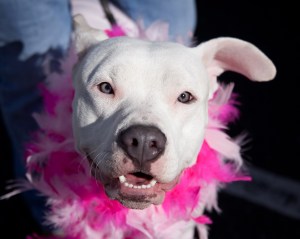
accessories or equipment may alter the perception of a dog, in either direction toward one extreme or the other; is it helpful to have these dogs wear imposing looking spiked collars or flowery, pink or fluffy accessories?
find a trainer that will help you work with your dog, beyond the stereotypical impression of your dog’s breed or type
we have a pretty broad science covering behaviour and learning in animals – this is what needs to be considered when training a dog of any breed
avoid training/behaviour professionals or any individual using these dogs as a profile and/or ego boost
train the dog in front of you 😉
6. Taking preventative measures
For this to be successful, owners are aware of the stigma that exists surrounding their dogs, and wish to prevent further establishment of these attitudes.
But it’s even more difficult for owners of these dogs: our dogs need to be better than all the other dogs, and we need to be better than all the other owners.
There are two important ways of achieving this, of making sure our dogs are the representatives of safe and valuable members of society.
Don’t put your dog in situations where they may be a nuisance or scare someone else. And remember, you dog just showing up can do that.
Train your dog behaviours appropriate to different situations.
Both are important. A level of management (number 1.) is always relevant when living with dogs but this takes on extra significance when it involves these dogs.
If a ‘restricted breed’ dog runs toward someone, it’s considered an “incident“, even where the dog is ignoring the people or its intentions are friendly.
One of these dogs just off lead is perceived as a potential danger, whether the dog is paying any attention to anyone else or not.
It’s not fair but it’s the way it is.
That means that we are more careful, give our dogs plenty of space from people and other animals, and act responsibly at all times.
Tug and other fun stuff
Just as with the use of equipment or accessories that might feed perceptions, pet owners may restrict their dogs’ involvement in activities that could affect the stereotype image of these types of dogs.
Activities such as tug, flirt pole, spring pole and weight pull will sometimes be more associated with ‘aggressive’ behaviour and dangerous dogs.
As much as it’s important to reduce the use of equipment and tools (where possible) that feed those generalised and inaccurate attitudes toward these dogs, it’s also vitally important that dogs have acceptable outlets for dog behaviour.
Indeed, the key to maintaining any and all dogs’ health is to ensure that they get to do doggie things, that they get their fix.
Go back and look at Mech’s predatory sequence and pick out the bits that are most likely to be exaggerated and inhibited in your individual dog. Outlets for those exaggerations are vital.
And there are benefits beyond just providing the dog with predatory fixes. Through careful teaching of the rules of games, dogs learn better self-control, responsiveness and arousal control.
Learning to play tug, my dog is improving his bite & hold, but also learning to let go on verbal cue (only) when aroused and biting down:
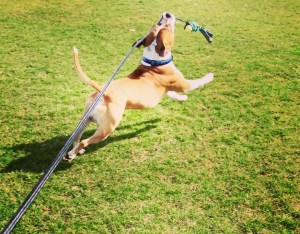
Learning to play flirt-pole he gets to chase, catch and tug a toy but is also learning to respond to me when really excited, to stop chasing when asked and to control his arousal levels:
make sure these dogs are perceived as being more polite, safer, better trained and more responsive
if your dog won’t succeed at that in a given situation, don’t put him there
abide by the law – don’t bring your dog into areas that dogs are not permitted and always scoop the poop
restricted breed laws are ridiculous but they are the law – show ’em that our dogs can be awesome even in the face of nonsensical and ineffective laws
dog parks in Ireland are a bit of a joke and not recommended for any dog, but especially ‘restricted’ type dogs – most will not allow restricted breeds in there anyway
provide dogs with safe and appropriate outlets for dog behaviour – play with your dog and teach them the rules of games
never allow your dog be loose, unsupervised in public or out of control, ever
don’t hang around public spaces with your dog looking ‘intimidating’, intentionally or not
exercise your dog away from children’s play areas and give plenty of space between your dog and other people and animals
never allow your dog approach, chase or interact with other animals without consent, ever
acknowledge, understand and embrace your dog’s breed-traits and dog-traits and provide your dog with appropriate outlets for the expression of this behaviour
with that awareness prevent those traits ever becoming a nusiance or hazard to others
establish safe and controlled ways for your dog to meet other dogs and hangout
teach your dog to focus on you when other people, dogs or animals are present – you are the most important thing in his life!
show them that these dogs can be safe and responsive; show them.
7. Becoming breed ambassadors
Attempting to change people’s perceptions by presenting individuals of these breeds in a more positive light is a commonly resorted to strategy.
We honour these dogs, fallen military or police dogs, heroic search and rescue dogs and even some fun, lovable rogues too.
These dogs served their humans, made a difference and made us smile.
Does singling out individuals benefit the breed/type as a whole?
Care must be taken with this strategy. Just as these dogs may be presented in a more positive, functional light, there are many resources continuing to present these dogs more in line with the stereotypes.
If you choose to do bite sports and man-work or even keep your dogs conditioned then we need there to be equal effort in promoting these dogs as excellent working animals, highly trainable and above all, safe.
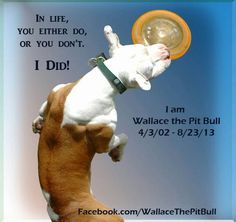
Wonderful ambassadors like Wallace the Pit Bull, who was a special dog, had a job in which he excelled. He had a home that channeled his energy and need to work.
And that’s an important consideration. When we present these dogs as ambassadors, we need to do it truthfully otherwise it’s a Hollywood, movie-style presentation…
And that that sort of presentation doesn’t benefit a breed at all.
Presenting these dogs, or any dogs, in a negative light is no less harmful than presenting them in a veneered, positive light. All animals have pros and cons to living with them and these are no different.
Just as an example, Husky and Malinois supporters produce a lot of resources emphasising the need for careful consideration before adding one to your family.
Because we are trying not to sully the name of our restricted breed dogs any further, we may go too far in the other direction.
Sharing resources that present these dogs in an overly positive, saccharine-sweet light is irresponsible. No dog can be expected to be all-tolerant and all-loving – that’s not fair.
Although resources such as this are often shared in support of these dogs, it’s not an appropriate interaction to promote. Dogs are not furniture! It also shows a lack of understanding of canine signaling, in this case discomfort signaling. This isn’t doing much to give this or any of these dogs a chance…
There is no dog that is perfect for any and all pet owners, all dogs will require some level of management to live with them safely.
“Pit bulls” and other restricted breeds are no different. These types of dogs don’t belong in every home (no more than any other dog), and they and similar dogs require careful consideration to the amount of exercise, stimulation and training that can be provided.
And above all else, every one of these dogs needs to become a breed ambassador.
Vicktory dogs, fight busts and rescue
In 2007, 51 dogs that had been bred/trained for fighting were found at a house belonging to top NFL player Michael Vick. At the property, there was ample evidence of dog fighting and Vick was charged and subsequently imprisoned. He has since returned to professional football.
For the first time, a fight-dog bust was big news, involving a well known and popular celebrity and his kennel, Bad Newz.
Through the media, the stories of what these dogs endured spread, including detail of the abuse suffered at the hands of Vick himself. For the first time fighting dogs were painted in a sympathetic light, and not just as fighting killing machines.
Usually, dogs taken from fighting busts were held until after the investigation and court proceedings and then euthanised. But the eyes of the world were watching and interested in the plight of these dogs.
48 of the dogs were awarded to a number of different rescue organisations, including Best Friends. The dogs became known as the Vicktory dogs and most have been homed successfully (like Hector, friend of Wallace), with a small number living out their lives with a rescue organisation.
A massive investment of resources saw many of these dogs succeed and this has changed the general attitude toward fighting dogs and pit bulls. But, as appropriate as it is to make sure that individual dogs who are safe and sound get a chance, these ambassadors may also have promoted the ideal that all dogs can be and should be saved, regardless.
When it comes to restricted breed dogs, their evaluation, training and placement must be considered more carefully. These dogs don’t get to mess up. They don’t get another chance.
By placing dogs that are not safe, that are not companion dogs, that will not be valuable additions to the community, we further damage the public’s perception of these dogs, and of rescue in general.
The vast majority of potential pet owners don’t want a project. The resources that are required to manage and modify serious behaviour issues are not available to most people.
These dogs may also take longer to place so considerations for their length of stay in a kennel environment must be taken into account in all assessments of welfare.
How many safe, friendly, and appropriate companion dogs lose out because precious resources are pumped into a troubled dog’s “rehabilitation“?
Remember, every one of these dogs needs to become a breed ambassador.
Advocacy & Activism
aim to have your dog become a breed ambassador
and aim to become a dog-owner ambassador
emphasise the reality of keeping these dogs – they need investments in training, exercise, enrichment to ensure they remain happy & healthy
a dog’s behaviour and suitability should be evaluated on an individual basis
we can’t save ’em all as the resources simply don’t exist
promote education for pet owners and EARLY education for pets – be proactive not reactive (don’t wait for there to be problems)
share your dog’s training and their achievements, highlighting the work you have both put in
don’t consider one of these dogs unless you are willing to make sure he becomes a breed ambassador and you become a pet-owner ambassador
emphasise the realities of helping you and your dog become ambassadors
reach out to other owners, support one another and build the profile of our breeds in a realistic manner
The damage has been done
The media scaremongering over these dogs has been very successful over the last century and a bit and social media has just accelerated the spread of an extreme picture of dog aggression and behaviour.
In researching for this piece I found it emotionally exhausting to find so many strongly anti-pit bull resources, one after another. But they are just as extreme and inaccurate as the pros – each is too easy to refute and neither are helpful.
The strategies that we use to mitigate this damage need to do a better job.
I haven’t even tackled BSL and the associated problems, dog bite stats, misconceptions and misunderstandings about dog aggression, because in this context they don’t matter.
We need to acknowledge that our dogs are physically strong, have been selected for specific working traits and that this selection may affect their behaviour.
This is about us, the pet owner and most important advocate for these dogs, being a better activist and advocate by living it, and facing the criticisms head on.
Dogs first
Behaviour exists along a continuum in breeds and across breeds. Some expressions of normal dog behaviour may be abnormal in frequency, duration or intensity and some may be appropriate for that context.
These dogs are certainly special and in discussing them this way we are highlighting their differences.
But to protect them we must allow them to be dogs; quoting Jane Berkey, founder of Animal Farm Foundation, “different is dead“.
But not only that, their pet owners are special too. Whether you like it or not, you will be judged for owning one of these dogs and you, by virtue of the dog you have chosen, must perform to a higher standard relative to owners of other dogs.
Trying to convince others isn’t working using some of the established strategies, we need to change our behaviour if we are to change those perceptions.
It is our job, as owners and dog lovers, to show them. Show them our awesome dogs, who are safe and sound.
There are many stakeholders and many who can make a difference. We need consensus, we need a united front, we need balance. We need to show them.
Often times a pet owner will presume that a bite or growl has come out of ‘nowhere’ or that their dog is absolutely ‘fine’ in a situation; but this is often not the case, as is illustrated in this piece: A Second Look
A good place to start developing a better understanding of such situations is with canine body language and signaling; this is an excellent resource to get started with: Introduction to Dog Body Language from Silent Conversations.
fMRI is giving us some exciting insights into how dogs’ brains work plus all the dogs in Berns’ studies have been trained to willing participants in the MRI work – check some of their training and work in this clip:
We don’t have all the answers but these might be the reasons behind these 5 odd dog behaviours!
Now, it’s no excuse but we may have found a contributory reason for such a high proportion of these dogs to have a tendency to put on weight so easily: Why is my dog fat? (with link to full article)
A great clip clearly explaining the use of counterconditioning to help your pet to cope better with new, exciting or scary situations:
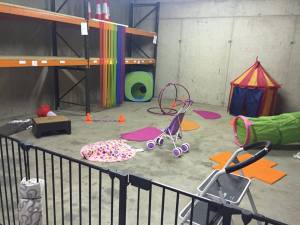
Another week of admin as we prepare for CBTT7 and get our warehouse space sorted so we can have a new training area – we can’t wait to get back to teaching classes!
Awesome Pets & their People
Tia came for some behaviour work during the week to help with some reactive behaviour.
Along with her owner, we are developing a program of management, relaxation, gradually increasing the level of stimulation and counterconditioning to specific triggering stimuli, including the latest Vodafone ad (the one with the pig), which Tia is not a big fan of at all!
Opie came for a recall training session too and we practiced lots of our basic recall games to get started on the road to an awesome recall!
We also practiced a new tug routine so that we are establishing rules with our games, to help Opie learn some better self control, even when excited which is especially hard for a teenager!
Opie just wants to get back to training, when, during our session the grown-ups have a chat…
And cutie pie Nidge came for a recall session too.
We start our recall games off with conditioning a new cue that will always mean, to the dog, that something AMAZING is about to happen. Pairing the new word with a high value treat, in the right order, is the best start.
We see lots of puppies and we want to see more puppies, and we want to see them earlier.
Waiting for your puppy to be finished his or her vaccinations or waiting until the nipping and the accidents and the chewing are driving you bonkers is too late to start your puppy’s education.
Book a puppy-session NOW and make sure that everyone gets off on the right paw!
What happens during a puppy session?
We talk about all the things that you can start to put in place so that puppy raising is easier and your puppy becomes a great, easy to live with, companion dog.
1. Social Experience
Not only must puppies know how to be dogs, but they must also know how to fit into human society – and that’s tough!
We emphasise:
socialisation is not about your puppy learning to greet, play with and love everyone
socialisation is about your puppy learning that other people, dogs, animals and related goings-on are so normal that they’re not even worth getting worked up about
socialisation is about ensuring puppy has mostly positive experiences in social interactions
socialisation is about puppy learning how to behave appropriately in social situations
We will teach you how to teach your dog to greet politely, to manage their excitement and to teach others how to greet your puppy appropriately so your puppy doesn’t become over-whelmed, and learns that social greetings are positive, enjoyable and safe.
How to use your hand-link-a-Kong to teach all this:
Teach puppy that people approaching makes a treat appear so that puppy learns that approaching humans are safe and so that puppy learns to focus on their own people when someone else is approaching:
Off leash puppy activities must never be a free-for-all!
2. Exposure & Experience
The world is a new, exciting and often scary place for puppies. As their new guide to the human-world, in which they will live, we want to gently and carefully expose them to all the things we want them to be able to cope with later on.
Think of the dog you want in two years time…you are preparing for that NOW!
We emphasise:
bring your puppy everywhere you go – you can carry him, have him in the car
set up a couple of odd things everyday, in a new place in and around the house for puppy to explore
Remember, when you start walking your puppy out and about, increase the size of their world very gradually (from the house to the street on the first day is plenty, and around local streets is lots for the first week) and take your time, stop with puppy and allow them to explore in their on time.
3. Mental Exercise
Puppies are active and inquisitive so let’s channel that energy, so it doesn’t become a people-problem and so that puppy is an active learner and problem solver.
We emphasise:
no food bowls for puppies!
training puppy throughout the day, working for their regular food
All puppies do it, and most people are bothered by it.
Puppy nipping is important for puppies though so we put exercises in place to make sure puppies have an acceptable outlet for this behaviour, but preventing it from becoming to much trouble for people.
There are different schools of thought on this and lots of diverse advice.
We emphasise:
keeping interactions with puppy brief and low-key so puppy doesn’t become over-excited (they will often express that with mouthing and nipping)
making sure puppy has lots of down-time, settling and sleep (over tired puppies are like over tired toddlers…)
diverting puppy behaviour and using treats & toys so that we don’t need to restrain, physically manipulate or position puppy
redirecting teeth onto suitable toys
yelping and withdrawing for 5-10-count if we feel hard teeth
moving away from puppy 20-count timeout if they turn into a landshark
teaching puppies the rules of play with people
making sure puppies have lots of opportunities to play bitey-face games with other appropriate dogs
You already know all the behaviours that puppy is going to do that you are not going to like – squealing when left alone, chewing your belongings, toileting in the wrong places, and that’s just for starters.
So, if you know they’re going to bother you, why are you allowing them to happen?! Prevention is key.
Never allow puppy to practice unwanted behaviour so that they never learn to establish unwanted behaviours.
We emphasise:
night-time training so puppy never develops distress at separation (prevents sleepless nights too!)
This is lazy training, and really effective too! Puppy isn’t doing the wrong things all the time so catch him doing the right behaviour and reward that with food rewards, toys, play, attention or access to things he wants.
We emphasise:
rewarding puppy any time you notice he’s quiet, he has four paws on the floor, he’s keeping the leash loose and he’s showing calm focus
It’s normal, natural, necessary dog behaviour (humans do it too!) so let’s set up our puppies so that they never feel the need to make people go away from them, when they have stuff.
We emphasise:
making sure puppies have their own place where they can eat, chew, play and hangout undisturbed
puppies learn that when they have stuff and people come near, awesome things happen
Puppies and dogs will be handled, sometimes in invasive ways, throughout their lives. Remember, anything we want in our dog in two years time, we need to start working on right now!
Our dogs spend a lot of their day inhibiting their doggiest of dog behaviour; a consequence of living in the human world.
They are told no barking, no digging, no humping, no chewing, don’t eat that, don’t roll there, that’s enough sniffing…
Everyday Decker gets to do things that are ridiculously DOG and to forget about human rules for a little bit.
We found a muddy ditch to be silly in here, who knows what he’ll get up to next!
Decker earns his meal by catching it, chasing it and sniffing it, and although this is certainly lots of fun, he’s also learning lots, such as, to choose his human over all the stuff in the park like dogs, other people, wildlife, smells and goings on, that his human is where the fun is, responsiveness is rewarding even when distracted and excited and boring kibble can be great!
Don’t waste these opportunities by feeding from a bowl – think of every mouthful of food for your dog as an opportunity to reward desirable behaviour. And if you do that, your dog will choose unwanted behaviour less.
Don’t worry if you don’t feed kibble, you can still inject fun/training/exercise/focus into meal times!
(Depending on which components you feed here are some ideas that I have used in such situations)
freezing raw e.g. minces into nuggets in an ice-cube tray and hiding those
using a high quality/grain free kibble
drying dietary components to make jerky – works especially well for offal components
the use of freeze dried treats with a high meat content may be counted toward diet
bone or whole organ components can be used in scent games
stuff Kongs or similar with minces or soften components and bring on walks or use as rewards in training, by offering a couple of licks for example
Fun, focus, exercise and training packed into just one meal!
For more on making ‘boring’ rewards more rewarding here.
This is not an exciting clip. This is just a couple of minutes of Decker on a walk, with minimal cues given so as to allow him dictate the activity as much as possible.
Link
Watch his behaviour. ALL of it is centered around olfaction (sniffing). He spends all his time air sniffing, trailing, tracking and moving to stay on top of smells.
Watch his pattern of movement. Back and forth, over and back, right and left.
This is a busy dog walking area. We are along a path that is bordered by grass where many other dogs have been, and other animals too.
When you want to know what things your dog likes doing, and needs to do, take a look at what he is already doing. This behaviour is important to dogs and is needed for them to remain healthy.
Make sure your dog has outlets for this everyday – even just a few minutes of sniffing without being told to move on and leave it.
Take your dog on a sniff, stand back and let them do what they were made for!
For more on spicing up your dog’s walks see here too!
We started working on an interruption sound so that we can get his attention when he is distracted or spooked, both of which are easy for teenage dogs:
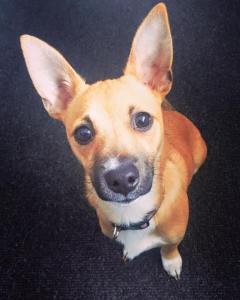
The very pretty Shelley came for a visit too, with her foster-brother-soon-to-be-forever-brother, Frosty!
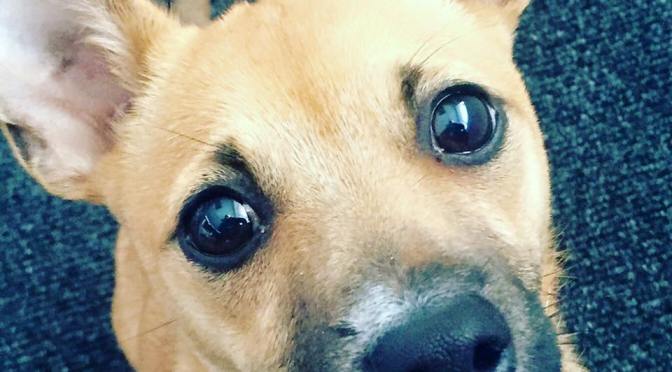
Check out Frosty’s amazing ears:
…and his amazing eyes:
A pair of stunners on the outside and on the inside!
People Training
Our Helen Zulch workshop/seminar is just about booked up, with a couple of spaces on each day remaining.
We are really looking forward to building on mechanical, advanced training skill on Saturday with a workshop format. Here is some of the action from last year:
On the Sunday we will be looking at the relationship between medical and behavioural health, building medical and behaviour healthcare teams and how to boost that awareness in both veterinary and training fields.
This is one of the most commonly expressed frustrations by trainers so it’s surprising that these topics are not presented more commonly. As such, you need to get booked in for this one!
Should you wish to get one of the few remaining spaces please email info@anied.ie as soon as possible!
A short next week with the Bank Holiday so have a good one!