Often times a pet owner will presume that a bite or growl has come out of ‘nowhere’ or that their dog is absolutely ‘fine’ in a situation; but this is often not the case, as is illustrated in this piece: A Second Look
A good place to start developing a better understanding of such situations is with canine body language and signaling; this is an excellent resource to get started with: Introduction to Dog Body Language from Silent Conversations.
fMRI is giving us some exciting insights into how dogs’ brains work plus all the dogs in Berns’ studies have been trained to willing participants in the MRI work – check some of their training and work in this clip:
We don’t have all the answers but these might be the reasons behind these 5 odd dog behaviours!
Now, it’s no excuse but we may have found a contributory reason for such a high proportion of these dogs to have a tendency to put on weight so easily: Why is my dog fat? (with link to full article)
A great clip clearly explaining the use of counterconditioning to help your pet to cope better with new, exciting or scary situations:
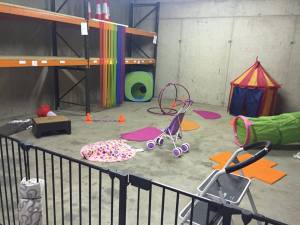
Another week of admin as we prepare for CBTT7 and get our warehouse space sorted so we can have a new training area – we can’t wait to get back to teaching classes!
Awesome Pets & their People
Tia came for some behaviour work during the week to help with some reactive behaviour.
Along with her owner, we are developing a program of management, relaxation, gradually increasing the level of stimulation and counterconditioning to specific triggering stimuli, including the latest Vodafone ad (the one with the pig), which Tia is not a big fan of at all!
Opie came for a recall training session too and we practiced lots of our basic recall games to get started on the road to an awesome recall!
We also practiced a new tug routine so that we are establishing rules with our games, to help Opie learn some better self control, even when excited which is especially hard for a teenager!
Opie just wants to get back to training, when, during our session the grown-ups have a chat…
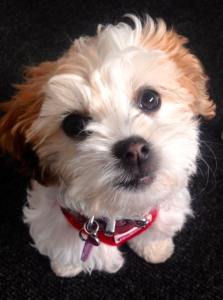
And cutie pie Nidge came for a recall session too.
We start our recall games off with conditioning a new cue that will always mean, to the dog, that something AMAZING is about to happen. Pairing the new word with a high value treat, in the right order, is the best start.
We see lots of puppies and we want to see more puppies, and we want to see them earlier.
Waiting for your puppy to be finished his or her vaccinations or waiting until the nipping and the accidents and the chewing are driving you bonkers is too late to start your puppy’s education.
Book a puppy-session NOW and make sure that everyone gets off on the right paw!
What happens during a puppy session?
We talk about all the things that you can start to put in place so that puppy raising is easier and your puppy becomes a great, easy to live with, companion dog.
1. Social Experience
Not only must puppies know how to be dogs, but they must also know how to fit into human society – and that’s tough!
We emphasise:
socialisation is not about your puppy learning to greet, play with and love everyone
socialisation is about your puppy learning that other people, dogs, animals and related goings-on are so normal that they’re not even worth getting worked up about
socialisation is about ensuring puppy has mostly positive experiences in social interactions
socialisation is about puppy learning how to behave appropriately in social situations
We will teach you how to teach your dog to greet politely, to manage their excitement and to teach others how to greet your puppy appropriately so your puppy doesn’t become over-whelmed, and learns that social greetings are positive, enjoyable and safe.
How to use your hand-link-a-Kong to teach all this:
Teach puppy that people approaching makes a treat appear so that puppy learns that approaching humans are safe and so that puppy learns to focus on their own people when someone else is approaching:
Off leash puppy activities must never be a free-for-all!
2. Exposure & Experience
The world is a new, exciting and often scary place for puppies. As their new guide to the human-world, in which they will live, we want to gently and carefully expose them to all the things we want them to be able to cope with later on.
Think of the dog you want in two years time…you are preparing for that NOW!
We emphasise:
bring your puppy everywhere you go – you can carry him, have him in the car
set up a couple of odd things everyday, in a new place in and around the house for puppy to explore
Remember, when you start walking your puppy out and about, increase the size of their world very gradually (from the house to the street on the first day is plenty, and around local streets is lots for the first week) and take your time, stop with puppy and allow them to explore in their on time.
3. Mental Exercise
Puppies are active and inquisitive so let’s channel that energy, so it doesn’t become a people-problem and so that puppy is an active learner and problem solver.
We emphasise:
no food bowls for puppies!
training puppy throughout the day, working for their regular food
All puppies do it, and most people are bothered by it.
Puppy nipping is important for puppies though so we put exercises in place to make sure puppies have an acceptable outlet for this behaviour, but preventing it from becoming to much trouble for people.
There are different schools of thought on this and lots of diverse advice.
We emphasise:
keeping interactions with puppy brief and low-key so puppy doesn’t become over-excited (they will often express that with mouthing and nipping)
making sure puppy has lots of down-time, settling and sleep (over tired puppies are like over tired toddlers…)
diverting puppy behaviour and using treats & toys so that we don’t need to restrain, physically manipulate or position puppy
redirecting teeth onto suitable toys
yelping and withdrawing for 5-10-count if we feel hard teeth
moving away from puppy 20-count timeout if they turn into a landshark
teaching puppies the rules of play with people
making sure puppies have lots of opportunities to play bitey-face games with other appropriate dogs
You already know all the behaviours that puppy is going to do that you are not going to like – squealing when left alone, chewing your belongings, toileting in the wrong places, and that’s just for starters.
So, if you know they’re going to bother you, why are you allowing them to happen?! Prevention is key.
Never allow puppy to practice unwanted behaviour so that they never learn to establish unwanted behaviours.
We emphasise:
night-time training so puppy never develops distress at separation (prevents sleepless nights too!)
This is lazy training, and really effective too! Puppy isn’t doing the wrong things all the time so catch him doing the right behaviour and reward that with food rewards, toys, play, attention or access to things he wants.
We emphasise:
rewarding puppy any time you notice he’s quiet, he has four paws on the floor, he’s keeping the leash loose and he’s showing calm focus
It’s normal, natural, necessary dog behaviour (humans do it too!) so let’s set up our puppies so that they never feel the need to make people go away from them, when they have stuff.
We emphasise:
making sure puppies have their own place where they can eat, chew, play and hangout undisturbed
puppies learn that when they have stuff and people come near, awesome things happen
Puppies and dogs will be handled, sometimes in invasive ways, throughout their lives. Remember, anything we want in our dog in two years time, we need to start working on right now!
Our dogs spend a lot of their day inhibiting their doggiest of dog behaviour; a consequence of living in the human world.
They are told no barking, no digging, no humping, no chewing, don’t eat that, don’t roll there, that’s enough sniffing…
Everyday Decker gets to do things that are ridiculously DOG and to forget about human rules for a little bit.
We found a muddy ditch to be silly in here, who knows what he’ll get up to next!
Decker earns his meal by catching it, chasing it and sniffing it, and although this is certainly lots of fun, he’s also learning lots, such as, to choose his human over all the stuff in the park like dogs, other people, wildlife, smells and goings on, that his human is where the fun is, responsiveness is rewarding even when distracted and excited and boring kibble can be great!
Don’t waste these opportunities by feeding from a bowl – think of every mouthful of food for your dog as an opportunity to reward desirable behaviour. And if you do that, your dog will choose unwanted behaviour less.
Don’t worry if you don’t feed kibble, you can still inject fun/training/exercise/focus into meal times!
(Depending on which components you feed here are some ideas that I have used in such situations)
freezing raw e.g. minces into nuggets in an ice-cube tray and hiding those
using a high quality/grain free kibble
drying dietary components to make jerky – works especially well for offal components
the use of freeze dried treats with a high meat content may be counted toward diet
bone or whole organ components can be used in scent games
stuff Kongs or similar with minces or soften components and bring on walks or use as rewards in training, by offering a couple of licks for example
Fun, focus, exercise and training packed into just one meal!
For more on making ‘boring’ rewards more rewarding here.
This is not an exciting clip. This is just a couple of minutes of Decker on a walk, with minimal cues given so as to allow him dictate the activity as much as possible.
Link
Watch his behaviour. ALL of it is centered around olfaction (sniffing). He spends all his time air sniffing, trailing, tracking and moving to stay on top of smells.
Watch his pattern of movement. Back and forth, over and back, right and left.
This is a busy dog walking area. We are along a path that is bordered by grass where many other dogs have been, and other animals too.
When you want to know what things your dog likes doing, and needs to do, take a look at what he is already doing. This behaviour is important to dogs and is needed for them to remain healthy.
Make sure your dog has outlets for this everyday – even just a few minutes of sniffing without being told to move on and leave it.
Take your dog on a sniff, stand back and let them do what they were made for!
For more on spicing up your dog’s walks see here too!
We started working on an interruption sound so that we can get his attention when he is distracted or spooked, both of which are easy for teenage dogs:
The very pretty Shelley came for a visit too, with her foster-brother-soon-to-be-forever-brother, Frosty!
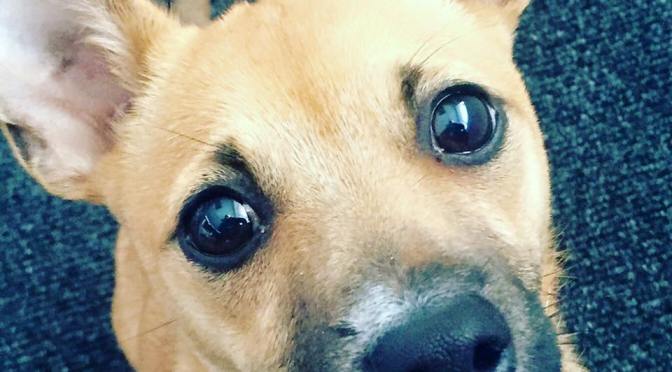
Check out Frosty’s amazing ears:
…and his amazing eyes:
A pair of stunners on the outside and on the inside!
People Training
Our Helen Zulch workshop/seminar is just about booked up, with a couple of spaces on each day remaining.
We are really looking forward to building on mechanical, advanced training skill on Saturday with a workshop format. Here is some of the action from last year:
On the Sunday we will be looking at the relationship between medical and behavioural health, building medical and behaviour healthcare teams and how to boost that awareness in both veterinary and training fields.
This is one of the most commonly expressed frustrations by trainers so it’s surprising that these topics are not presented more commonly. As such, you need to get booked in for this one!
Should you wish to get one of the few remaining spaces please email info@anied.ie as soon as possible!
A short next week with the Bank Holiday so have a good one!
Dog trainers with exquisite mechanical skills and exemplary instructing skills. Dog trainers who behave professionally and who emphasise puppy and dog training.
You would think that this is what we have within our population of dog trainers. If we did, then I think we would be in a better place.
You will commonly hear that the only thing that two dog trainers agree on is, that the third dog trainer is wrong. We hear it so often it is cliché and is largely accepted, which informs our view of our evolving industry.
It is unlikely that professional regulation for dog trainers will be widespread any time soon. We don’t have any sort of minimum standards of anything right now, and this is difficult to establish in such a diverse and divisive atmosphere.
Because there are no standards, there are no standards.
This is not made any easier by the really, really confusing array of certifications and titles, and a stunningly large number of organisations to align with – each and every one can offer you something you just don’t get from another and so on.
Or plethora of educational institutions offering courses, seminars, webinars, books, articles, blogs, tips, clips and promising you that they, over all the others will offer you the very best.
And to add to the in-fighting among individuals, it’s present among professional bodies and organisations too, with one not recognising the achievements or certifications of another.
Developing some sort of structure is tricky because we would have to develop minimum standards in practice, but trickiest of all, there would need to be some incentive to do so.
Pressure needs to come from pet owners, but because of a history of expert advice offered and accepted by everyone from vets to groomers, from TV gurus to the random man in the park, it’s hard to see how there would sufficient motivation for the pet owning population to exert this pressure when I’m not sure many are aware or (dare I say) care about professional standards for dog trainers.
But it is getting better. It is unrecognisable compared to the so-called industry I started in and continues to grow and develop.
Dogs and dogma
Balance, in dog training, is a dirty word. The dominance of social media (I’m allowed to say the D word in this context!) means that polarisation of all things dog is becoming entrenched in our culture.
Listen, there are more than two ways to do most things and that’s the case in dog training. We are dealing with living beings, both two and four legged, and changing environmental conditions – that’s why behaviour exists, is modifiable and is so adaptable.
You can have a wide and varied toolbox without having to venture outside your comfort zone.
And having a comfort zone, that’s ok too. Choosing to train in a certain way doesn’t make you better or someone else worse.
In general, teaching and learning have been moving away from the application of aversive methodologies and emphasising the importance of mechanical teaching skills and careful management of the learning environment. This is good.
But exactly how this is applied varies and therein lies the problem – the dog training world is a polarised place and the more one movement promotes their mantra, the more another movement pushes further and further away.
Polarisation is not getting us anywhere, as the same arguments are rehashed again and again on the various stages, most of them via social media.
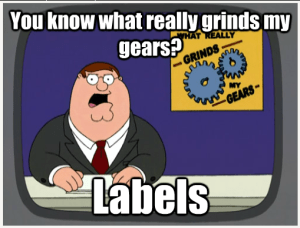
Despite our emphasis on un-labelling animal behaviour, we sure spend a lot of time trying to define more and more specific boxes into which we can squeeze our training.
“Positive”, “force-free”, “traditional”, “balanced”, “humane”, “welfare-friendly”, “working dog trainer”, “show dog trainer”, “crossover trainer”…
We are trying to stand out from the ‘others’ with whom we don’t agree, and in doing so pigeon hole our training, skill and knowledge.
Dog training can often be hostile. Social media, which has become an important part of dog trainer culture, makes this hostility more impactful. Clinging to a ‘side’ is negatively reinforced and that’s pretty powerful.
When we are starting out, we want to belong. We need the support, and we might not have the confidence to stand out or pull against the tide. It’s easy to be sucked in and to find comfort there.
That brings us to an interesting point of contention – we might be quick to apply these more modern approaches to teaching to our canine students but not so generous when dealing with fellow two-leggers.
Want behaviour change? You first!
Well, as we say in dog training, you get the behaviours you reinforce, not the ones you want. Behaviour is behaviour is behaviour and regardless of what label you are aligned with, we are technicians and facilitators of behaviour change, so we shouldn’t be finding this so hard, right?!
Science & practice
Something pretty cool has happened in the last couple of decades that has really accelerated our practice but also the trainer wars – dogs have become a popular subject of scientific study. Every week papers are published of scientific merit and we get to drool over them, working out the best ways to apply this new knowledge.
To do this requires a thorough understanding of the principles of behaviour and behaviour change.
We have a whole science of behaviour to call on, and although we still have lots to learn we have a good understanding of lots of areas of natural animal behaviour and how animals learn.
No modern dog trainer can function ethically, competently, effectively without this bread and butter.
Walk before you can run
We all want to sell our wares; it’s an industry after all, and each of us needs to eat and make a living. To do this each trainer is trying to get their unique selling point to the forefront.
In our evolving industry, with our competing educational and certifying bodies abound, there is an influx of courses and seminars and webinars and fads and trends boasting the latest methodology, or more advanced techniques and in some cases, information that will never be applied (realistically or correctly) by most dog trainers.
And as excited as I am about new discoveries and new ideas, I am just as concerned about the loss of focus on the very foundation that’s our bread and butter.
All the sexy stuff is great but to become a really great dog trainer, one of those ones that the world really needs, requires a simply excellent mastery of those foundations.
Becoming better
learn how to capture behaviour – how to arrange prompts to get behaviour without causing frustration or loss of interest
learn how to shape behaviour, without relying on extinction – be a better observer, be a better setter of criteria
develop exquisite timing
learn how to handle food rewards – how to get them from you to the dog, how to position them to promote learning
learn about motivation and how reinforcement functions
learn how to lure so that you get behaviour quickly, and can fade those lures quickly
learn how to fade prompts, without losing integrity or quality of behaviour
learn how to manipulate the learning environment so that you can progress and generalise learning
increase your ROR, and when you have increased it, increase it some more
build desired behaviours rather than break down unwanted ones
learn how to supervise dog-dog interactions
learn how to expose puppies to different experiences to best facilitate their behavioural development
train your dog, and live what you preach
develop the gift of foresight so that you can predict and prevent – be proactive, not reactive
learn how to safely organise teaching so that every one is safe
learn about muzzling, and barriers and proper management
become an amazing definer of criteria – don’t settle for good enough
plan your training, split criteria and be adaptable
forget about the sexy stuff, forget about aggression and biting and reactivity – get really good at training behaviours, and I mean really good
and once you have aced all that with dogs, start working with other species like prey animals who don’t like you, or predatory animals who can hurt you – dogs are forgiving and hide a multitude of our sins
develop skills in applying this to humans too
This list is the tip of the iceberg, and I haven’t even mentioned the people-training stuff, professional & business stuff or the rest of the dog stuff. (Can you add to this list?)
But if you get really really really really good at this stuff, the other stuff falls into place and all that advanced, pie-in-the-sky information fits right in, is beneficial and enjoyable, rather than overwhelming.
What the world doesn’t need more of…
We don’t need more egos who feature in their own videos more than dogs or dog training do.
We don’t need more dog whisperers, listeners, psychologists, experts, specialists.
We don’t need more gurus with massive social media followings, who can’t seem to demonstrate these basic skills with other people and their pets (as in, being a dog trainer).
We don’t need more rehabilitators, or aggression specialists, or reactive dog fixers.
We don’t need more organisations, or certifications or titles.
(Can you add to this list?)
Be a critical thinker, challenge what you are told and what you believe. Don’t get sucked in.
Above all else, what the world needs now are more great dog trainers.
Get out there and train, teach people, show off your skills, have fun with your dog and be a great dog trainer, making that difference.
This week we had Molly for her last daytraining session and she did so amazingly well that we got to take a walk in our local park and have lots of fun!
With Molly’s improvement in the foundation our work has laid, she and her family will continue to build on this closer to home.
Harry came for his first puppy session with his new family to get the best start with all that puppy stuff!
Zepp came for some behaviour work with his people. Among other things we worked on some sofa manners, including how to teach a dog to get off the sofa when asked:
Leo came for some behaviour work too, as we begin to work through some adolescent behaviour – dogs go through a teenage phase too!
Basil came for a training session to help boost his responsiveness and comfort with specific triggers, when out walking. As you can see, he’s pretty relaxed about this whole training business…
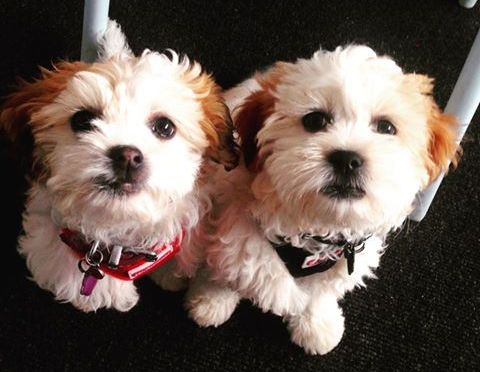
Double the fun, double the cuteness and of course, double the trouble, Meryl & Doug.
These two came for their first puppy session with their people, and everyone learned loads!
People Training
This weekend our Canine Studies – Foundation learners came for their second day of tuition. This course is for pet sitters and dog walkers and on Sunday they worked on learning theories, luring, capturing, shaping, and canine signaling.
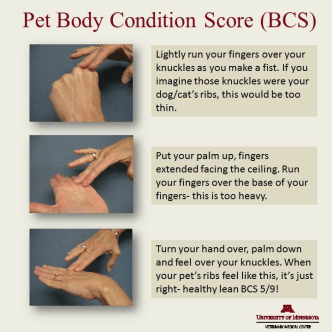
On top of that they learned how to evaluate a dog’s weight using a body condition scoring system. Most pet dogs in development countries are overweight and what’s more worrying is that people, even including some pet care professionals, have trouble identifying a dog who is overweight.
Many of you will have seen this and similar BCS tools:
This great resource helps you more quickly evaluate the amount of fat carried on your dog’s ribs:
Share this far and wide – the first step in helping improve your pet’s health is to assess the extent of their weight gain.
AniEd Dogs
Dilis, Boomer and Zak were ‘working’ this week, along with lovebirds Decker & Daisy:
Daisy is even starting to play and initiate interactions with Decker:
























 AniEd Ireland